
PDRN vs Retinol: Two Approaches to Skin Repair & Regeneration
Key takeaways:
- PDRN and retinol are both effective for skin improvement, but they work through different mechanisms—repair vs renewal.
- PDRN supports skin regeneration, hydration, and barrier repair, making it suitable for sensitive or compromised skin.
- Retinol accelerates cell turnover and collagen production, making it effective for acne, wrinkles, and uneven texture.
- PDRN delivers gradual, low-irritation results, while retinol offers faster visible changes but requires adjustment.
- Both can be used together in a structured routine under medical guidance for complementary benefits.
- At Clique Clinic, treatment plans are personalised to match your skin type, concerns, and tolerance for optimal results.
Introduction
Skincare today is no longer about surface-level aesthetics. It’s about helping your skin repair and rebuild itself. In this context, two widely discussed ingredients are PDRN (polydeoxyribonucleotide) and retinol.
While both aim to improve skin quality, they work through fundamentally different mechanisms. Understanding these differences helps guide the right choice based on your skin type and concerns.
PDRN vs Retinol: An Overview
PDRN and retinol differ significantly in how they affect the skin. Understanding the PDRN vs retinol distinction helps one tailor choices or even combine them for synergistic effects.
Let’s breakdown the differences, shall we?
What Is PDRN?
Polydeoxyribonucleotide (PDRN) is a regenerative compound derived from highly purified DNA fragments. It’s most commonly extracted from salmon DNA due to its close structural similarity to human DNA, making it highly biocompatible.
These purified fragments are processed to remove proteins and potential allergens, making PDRN suitable even for sensitive or compromised skin. Clinically, it supports skin repair, hydration, and overall skin quality.
How PDRN Works on the Skin?
PDRN fundamentally operates as a bioactive signalling molecule that primarily activates adenosine A2A receptors, thereby kickstarting the body’s natural repair processes to support tissue regeneration and cellular turnover.
This process stimulates collagen production, improves microcirculation, and supports cellular regeneration. As of 2026, studies also demonstrate that PDRN can restore collagen and elastin production in damaged skin, supporting improved elasticity and structural repair. Collectively, these effects help rebuild the skin’s structural integrity and improve resilience.
What Is Retinol?
Retinol is a derivative of vitamin A and is widely recognised as a cornerstone skincare ingredient due to its ability to drive cellular renewal. It is commonly used in treatments targeting acne, pigmentation, and early signs of ageing.
Also read: Retinoid vs Retinol: What’s the Difference?
How Retinol Works on the Skin?
As an over-the-counter retinoid, retinol converts into retinoic acid within the skin. It then binds to specific receptors that accelerate cell turnover and boost collagen production. This process promotes exfoliation, prevents pore clogging, and improves overall skin texture, making it effective for acne-prone skin and uneven tone.
PDRN vs Retinol: Key Differences at a Glance
| Feature | PDRN | Retinol |
|---|---|---|
| Mechanism | Cellular regeneration, tissue repair, and fibroblast stimulation | Accelerates cell turnover and gene expression for exfoliation |
| Skin feel | Calm and soothing | Can be irritating initially |
| Best for | Repair, sensitive skin, and recovery | Wrinkles, acne, and rough texture. |
| Speed of results | Gradual (weeks to months); builds long-term structure without downtime | Faster, but with an adjustment period |
| Irritation risk | Low (biocompatible), suitable for sensitive or compromised skin. | Moderate to high. So, start low-strength, use sparingly at night. |
PDRN vs Retinol for Skin Repair and Regeneration
PDRN primarily promotes healing and barrier repair. In fact, it’s often associated with regenerative approaches used in treatments targeting tissue and collagen regeneration.
In contrast, retinol works by accelerating exfoliation to improve texture, pigmentation, and fine lines. Generally, retinol is more intensive but typically delivers faster visible changes. Furthermore, it’s commonly complemented by treatments that enhance skin hydration and renewal, like skin boosters.
PDRN vs Retinol for Wrinkles
Retinol reduces wrinkles by boosting collagen production and speeding up cell turnover, often showing visible results within weeks. PDRN, on the other hand, supports collagen production through tissue repair and regeneration. Results are more gradual but contribute to improved skin quality and elasticity over time.
Also read: How to Remove Forehead Wrinkles and Lines, According to Science
PDRN vs Retinol for Acne
Retinol is effective for acne by accelerating cell turnover, unclogging pores, and reducing sebum buildup. It is commonly used for both active breakouts and post-acne pigmentation. PDRN supports the healing of acne-damaged skin through regenerative pathways that promote tissue repair. It is also more suitable for sensitive or post-procedure skin needing recovery without added irritation.
PDRN vs Retinol for Sensitive Skin
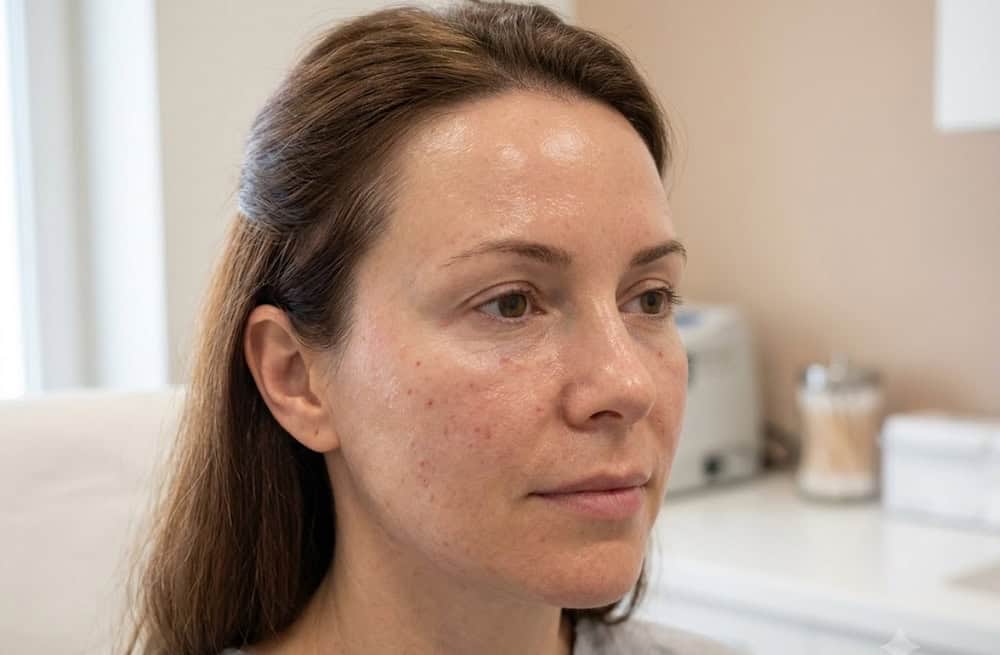
PDRN is gentle on sensitive or reactive skin. In essence, it works great for people whose skin gets irritated easily due to its biocompatible nature derived from DNA fragments. In contrast, retinol may cause dryness or irritation. As such, it often requires a gradual introduction to build tolerance.
PDRN vs Retinol: Irritation and Downtime
PDRN is prized for its minimal irritation and little to no downtime. In contrast, retinol often triggers dryness, redness, and peeling during the initial “retinisation” phase. Recovery-focused approaches like PDRN may be preferred, especially after periods of skin stress.
Which Is Better for Your Skin Type?
PDRN and retinol have different strengths and are suited to different skin types and concerns.
- Sensitive skin: PDRN is generally preferred due to its calming, reparative properties that support gentle regeneration with minimal irritation.
- Oily or acne skin: Retinol is often the preferred choice. Retinol shines by accelerating cell turnover to unclog pores, regulate sebum, and reduce breakouts.
- Ageing skin: Both can be effective. It depends on what you want—faster results or gentle repair.
- Weak skin barrier: PDRN is typically more suitable, as it supports barrier repair through hydration and restorative pathways. Meanwhile, retinol may increase sensitivity if not carefully introduced.
Also read: What Is Cytocare? Benefits, Ingredients & How It Works for Skin Rejuvenation.
Can You Use PDRN and Retinol Together?
Yes, PDRN and retinol can be used together under professional guidance. This is because of their complementary mechanisms: PDRN’s gentle regeneration and retinol’s active renewal. However, they are often alternated (e.g., PDRN in the morning, retinol at night) rather than layered, to reduce the risk of irritation and overload. Nonetheless, a tailored skincare plan from a medical professional is recommended based on skin type, concentration, and tolerance.
How to Choose Between PDRN and Retinol?
When choosing between the two:
- Choose PDRN if your goal is skin repair, hydration, and barrier recovery, as it supports regeneration with minimal irritation.
- Choose retinol if your goal is faster wrinkle reduction, acne control, and skin resurfacing through exfoliation and collagen stimulation.
Overall, PDRN is better suited for reactive or sensitive skin, while retinol requires gradual introduction. In some cases, a structured routine combining both may be beneficial, with PDRN helping to buffer retinol’s intensity under guidance.
Final Thoughts
PDRN and retinol represent two distinct approaches to skin regeneration. Retinol accelerates renewal through exfoliation and collagen stimulation for dynamic resurfacing. Meanwhile, PDRN fosters healing and restoration through gentle cellular repair and barrier reinforcement. Both can improve skin quality when used appropriately. In practice, retinol is effective for texture, acne, and visible anti-ageing, while PDRN is better suited for sensitivity, recovery, and long-term skin resilience.
The best choice depends on individual skin concerns, tolerance, and long-term goals.
Ready to find your perfect match? Visit Clique Clinic for personalised skin repair, acne management, and anti-ageing treatments tailored to your skin type and goals.


