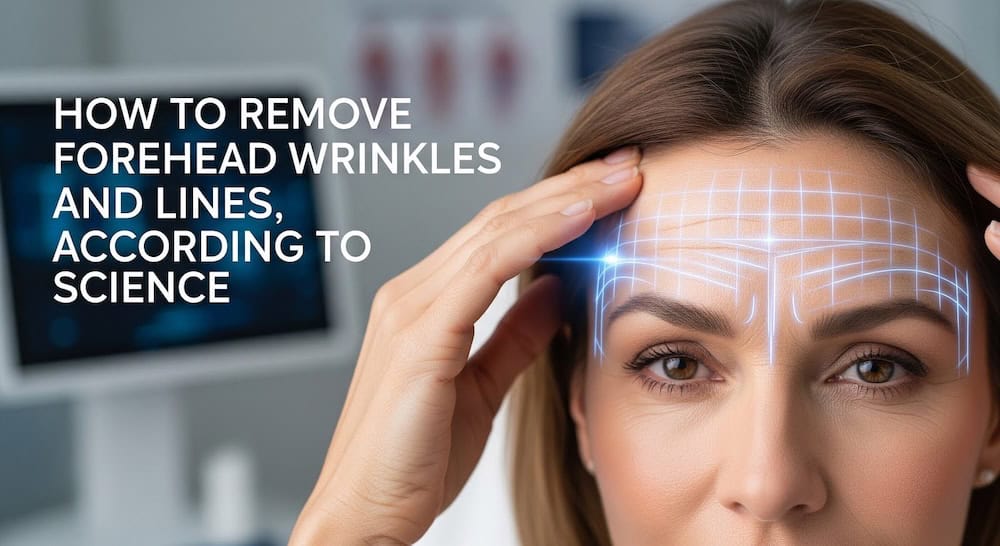
How to Remove Forehead Wrinkles and Lines, According to Science
Key Takeaways
- Forehead wrinkles form due to repeated muscle movement, collagen loss, UV damage, dehydration and lifestyle habits.
- Treatments differ depending on whether the wrinkles are dynamic or static.
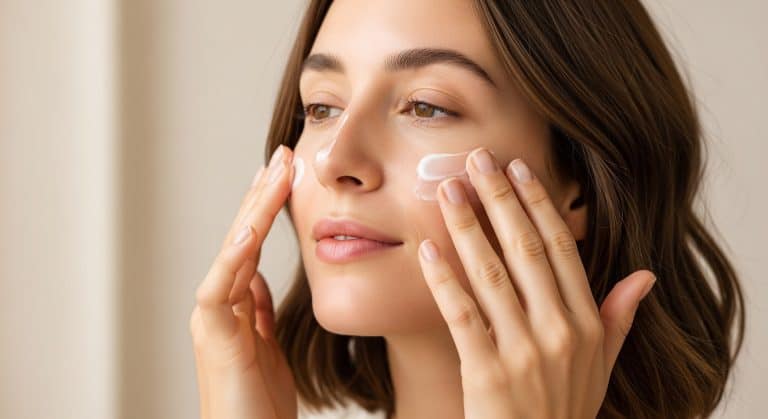
- Science-backed ingredients like retinoids, peptides and antioxidants used as part of a daily skincare regimen can help soften lines.
- Clinic treatments such as Botox, hyaluronic acid fillers, lasers, skin boosters and HIFU or Ultherapy offer the greatest improvements.
- Personalised plans, like the ones recommended at Clique Clinic in Malaysia, deliver the most effective and long-lasting results.
Introduction
Forehead wrinkles are one of the earliest signs of facial ageing and one of the most common concerns seen at Clique Clinic. Whether it is faint forehead lines in your twenties or deeper wrinkles on the forehead in your forties and beyond, understanding why skin ageing happens helps you choose the right treatment.
Forehead wrinkles form due to a mix of facial muscle activity, collagen loss, environmental exposure and lifestyle habits. Taking a science-driven approach ensures that every treatment, whether at home skincare or advanced aesthetic procedures, is targeted, effective and safe.

What Causes Deep Forehead Wrinkles? (Scientifically Explained)
- Repeated muscle movement: Frequent raising of the eyebrows creates dynamic lines that gradually become permanent.
- Collagen and elastin loss: As you age, protein mass decreases, weakening structural support and allowing deeper forehead wrinkles to form.
- Skin dehydration: Dry skin shows lines more visibly and develops creasing more easily.
- UV damage: Sunlight breaks down collagen and accelerates premature ageing. Malaysia’s year-round UV exposure makes this particularly relevant.
- Genetics and ageing: Some people are genetically prone to permanent forehead wrinkles even at a younger age.
- Lifestyle factors: Stress, smoking and poor sleep increase cortisol, inflammation and oxidative stress which worsen wrinkles.
Types of Forehead Wrinkles
- Dynamic wrinkles: These appear when you raise your eyebrows or make expressions. They are caused by active muscle movement in the frontalis face muscle.
- Static wrinkles: These are visible even when the face is at rest. These develop due to years of repeated movement as well as due to collagen loss.
Knowing your wrinkle type is essential because treatments vary. Dynamic lines respond best to botulinum toxin [Botox], while static wrinkles may require fillers, lasers or micro-needling to rebuild skin structure. At Clique Clinic, forehead assessment includes reading muscle strength, expression patterns and skin quality to identify the ideal approach.
At Home Forehead Wrinkle Treatments Backed by Research
Retinoids (Retinol, Tretinoin)
Retinoids remain the gold standard for increasing collagen production and improving skin texture. Research shows that retinoids accelerate cellular turnover and stimulate fibroblasts to produce new collagen and elastin. With consistent use, they soften fine forehead lines and delay permanent forehead wrinkles.
Peptides and Growth Factors
Peptides help rebuild skin proteins and improve firmness. Growth factors support wound healing and collagen stimulation. These ingredients are useful for anyone who wants forehead wrinkles without Botox or for younger patients looking to delay deeper lines.
Antioxidants (Vitamin C and E)
Antioxidants neutralise oxidative stress from UV exposure and pollution. Vitamin C is particularly effective for brightening, strengthening collagen and reducing early signs of forehead ageing.
Sunscreen (Most Critical Scientific Proof)
Numerous studies confirm that sunscreen prevents photo-ageing more effectively than any anti-wrinkle product. Daily sunscreen protects the forehead from UV breakdown of collagen, which is crucial in Malaysia’s climate. Consistent SPF use reduces the severity of wrinkles on the forehead over time.
Lifestyle Adjustments
- Better sleep quality: Sufficient rest restores skin repair cycles and lowers inflammation.
- Hydration: Drinking enough water improves skin elasticity and makes lines less pronounced.
- Stress control: Stress raises cortisol, which accelerates collagen breakdown. Managing stress helps prevent deep forehead wrinkles.
- Avoiding smoking: Smoking significantly reduces collagen production and oxygen supply to the skin.
How Can I Get Rid of Wrinkles on My Forehead: Aesthetic Clinic Treatments That Work (Evidence-Based)
At Clique Clinic, forehead wrinkle treatments combine medical knowledge, aesthetic assessments and science-driven procedures for results that look natural yet effective.
HIFU and
Ultherapy (Ultrasound Lifting)
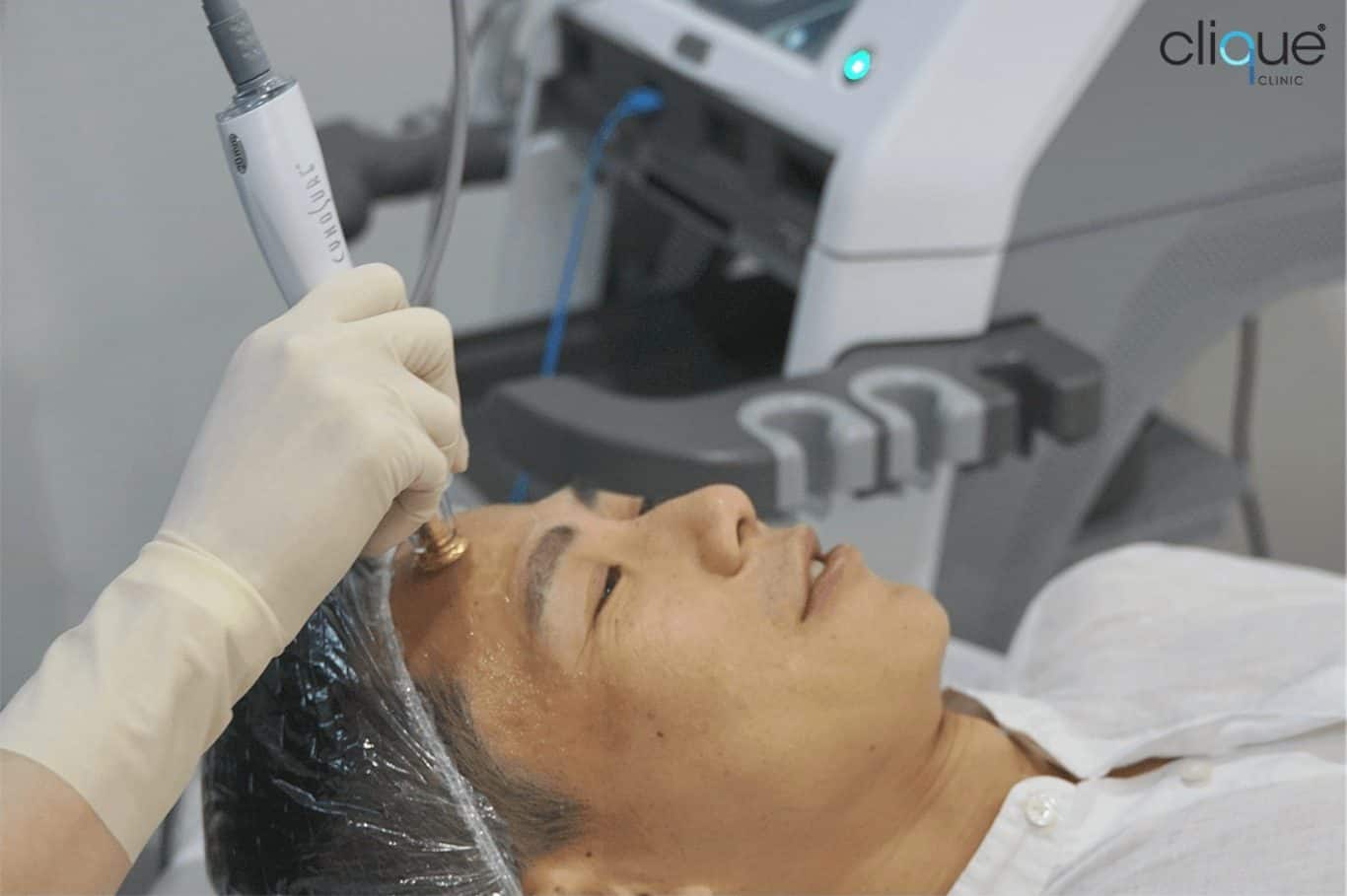
High-intensity focused ultrasound and Ultherapy deliver heat energy deep into the dermis to stimulate collagen regeneration. This tightens the forehead, reduces sagging and helps lift the brows, which indirectly softens forehead lines.
Learn more: https://www.cliqueclinic.com/ultherapy
Good to know: https://www.cliqueclinic.com/blog/hifu-vs-ultherapy
Botulinum Toxin (Botox)
Botox relaxes the frontalis muscle, preventing repetitive lifting that causes dynamic forehead lines. It is the most reliable treatment for reducing wrinkles caused by expression. Many patients at Clique Clinic choose Botox for forehead wrinkles because it gives smooth, natural-looking results without freezing the face.

Learn more: https://www.cliqueclinic.com/botox
Skin Boosters and Skin Repair Injectables
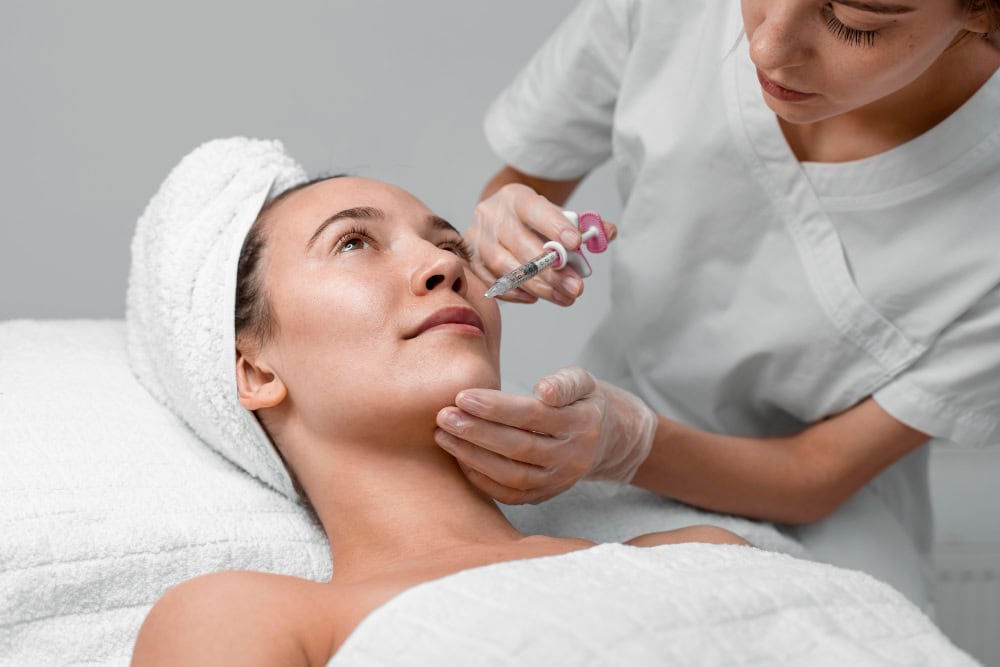
DNA-based treatments such as PDRN, Plinest, ProfHilo or Hydrolift improve skin elasticity, hydration and repair. These treatments are suitable for forehead wrinkles without Botox or as complementary therapy to enhance skin quality.
Here are some of our most effective treatments:
- Profhilo Malaysia and how it improves skin texture via bio-remodeling.
- Hydrolift by Clique Clinic for Fascia-Level RF Tightening.
- Plinest Malaysia, the best regenerative gel in the aesthetic market and a game changer in skin rejuvenation.
- Plinest NCTF is the world’s first regenerative aesthetic cocktail, a pioneer in regenerative aesthetics.
Hyaluronic Acid Fillers
For static lines and deep forehead wrinkles, fillers fill in volume and smooth creases that Botox alone cannot fix. Our doctors are skilled in precise filler techniques to avoid heaviness and maintain natural facial contour.
Learn more: https://www.cliqueclinic.com/dermal-fillers
Forehead Wrinkle Laser Treatment
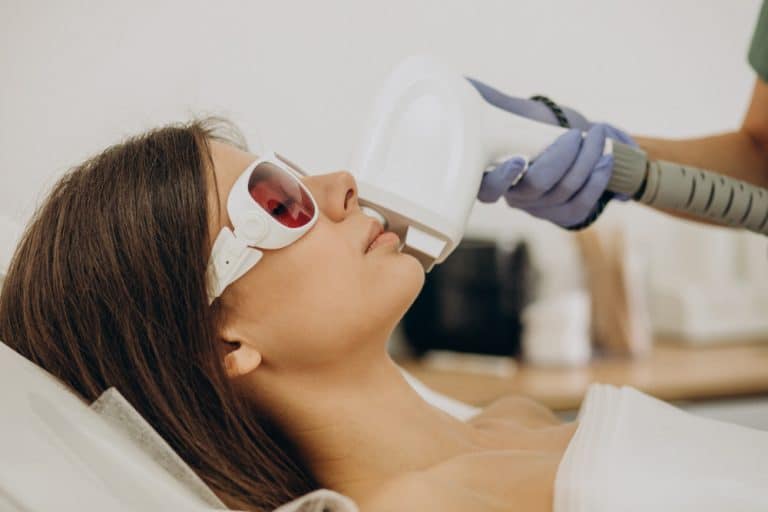
Fractional or thermal lasers like Sylfirm X, PicoSure Pico Laser and Enlighten Pico Genesis remodel collagen, refine texture and reduce static wrinkles. Laser therapy works especially well for sun-damaged Malaysian skin.
Chemical Peels
Peels safely remove the top layer of skin and stimulate new cell turnover, and trigger collagen formation. Thus, newer skin will have improved texture. Peels also help to refine early forehead lines and complement lasers or injectables.
Which Treatment for Forehead Wrinkles Is Right for You?
The ideal treatment depends on several factors.
Based on age:
Twenties to early thirties: Preventive treatments such as light Botox, skin boosters and sunscreen.
Mid-thirties to forties: Combination therapy including Botox, boosters and fractional lasers.
Fifties and above: Fillers for deeper lines plus skin tightening procedures such as Ultherapy
Based on wrinkle type:
Dynamic lines respond best to botulinum toxin.
Static wrinkles require fillers, lasers or RF microneedling.
Based on skin condition :
Thin skin may need gentle lasers and skin-strengthening boosters.
Sun-damaged skin benefits from Pico lasers and antioxidants.
Dehydrated skin responds well to hyaluronic acid-based treatments.
Combination therapy:
The most natural results often come from combining treatments. For example, Botox for movement control, fillers for etched lines, plus a laser for smoothing texture.
How Long Do Results Last?
- Botox duration – Typically three to four months. Some patients experience longer results with consistent treatments.
- Fillers duration – Hyaluronic acid fillers last nine to twelve months depending on formulation and lifestyle.
- Laser or RF results timeline – Collagen remodelling continues for up to three months after each session.
- Skin booster maintenance – Monthly to quarterly sessions depending on skin needs.
Prevention: How to Slow Down Future Forehead Wrinkles?
- Apply sunscreen every morning.
- Stick to a consistent skincare routine with retinoids and antioxidants.
- Avoid excessive eyebrow lifting and repetitive expressions.
- Maintain hydration and stress management.
- Consider preventive aesthetic treatments like light Botox or skin boosters.
FAQ
At what age do forehead lines start?
Forehead lines can appear as early as the late twenties, especially in expressive individuals or those with frequent sun exposure.
What is the most effective treatment for wrinkles on the forehead?
For dynamic wrinkles, Botox is the gold standard. For static wrinkles, a combination of fillers and lasers provides the best results.
Can Botox remove forehead wrinkles?
Yes. Botox can significantly smooth dynamic forehead lines by reducing muscle activity. For deeper static lines, additional treatments may be necessary.
Does stress cause forehead wrinkles?
Stress accelerates collagen loss and increases muscle tension, which can lead to the formation of wrinkles on the forehead.
Can forehead wrinkles be removed without Botox?
Yes. Treatments such as lasers, skin boosters, micro-needling, fillers and chemical peels can improve forehead lines. However, dynamic wrinkles respond best to Botox.
How long does it take to see results from clinic treatments?
Botox results appear within three to seven days. Fillers are immediate, while lasers and RF [radio-frequency] treatments show progressive improvement in four to twelve weeks.
Are forehead wrinkle treatments painful?
Most procedures at Clique Clinic are well-tolerated with numbing creams or cooling devices. Any discomfort is generally mild and temporary.
What is the best age to start treating forehead wrinkles?
Early thirties is common for prevention, but treatment can start anytime, depending on expression habits and genetic factors.
Conclusion
Forehead wrinkles are a natural part of ageing, but with science-backed methods, it is possible to soften them, prevent deeper lines and even restore a refreshed, natural look. At Clique Clinic, personalised treatment plans are built around your wrinkle type, skin condition and long-term goals.
If you are exploring how to reduce forehead wrinkles or want guidance on the best aesthetic approach, our doctors are available for a friendly consultation through WhatsApp @wa.me/60123537960