
Key takeaways:
- Tretinoin is the active form of vitamin A (retinoic acid) and one of the most researched ingredients in dermatology.
- It works by accelerating skin cell turnover, preventing clogged pores, and stimulating collagen production.
- Tretinoin is widely used to treat acne, post-inflammatory hyperpigmentation, and early signs of ageing.
- Compared to cosmetic retinoids like retinol, tretinoin is stronger, faster acting, and requires medical prescription.
- When used correctly with moisturisers and daily sunscreen, tretinoin can improve skin clarity, texture, and tone over time.
Introduction
Tretinoin has earned its place as one of the most studied and trusted ingredients in skin dermatology. From treating stubborn acne to reducing early signs of ageing, this prescription vitamin A derivative continues to outperform many over-the-counter alternatives.
Yet despite its popularity, curious patients still ask, what is tretinoin, and how to use tretinoin?
At Clique Clinic in Malaysia, our doctors do prescribe tretinoin as part of a structured, medically guided treatment plan for acne, pigmentation, and skin rejuvenation. Used correctly, tretinoin can dramatically transform skin clarity and texture. Used incorrectly, it can compromise the skin barrier.
This guide breaks down everything you need to know: tretinoin uses, tretinoin benefits, side effects, and how to determine tretinoin percentage safely.
What Is Tretinoin?
Tretinoin is the pure, biologically active form of vitamin A, also known as retinoic acid. In the Vitamin A family, this form does not require conversion within the skin to become active. Thus, its direct activity makes it significantly more potent and clinically effective.
Tretinoin is available by prescription in Malaysia, commonly in the form of tretinoin cream or tretinoin gel. Concentrations vary, typically ranging from 0.025 percent to 0.1 percent depending on the indication and skin tolerance.
Key facts about tretinoin for skin:
- It is a prescription retinoid.
- It is already in its active retinoic acid form.
- It treats acne, pigmentation, and photoageing.
- It comes in different strengths and delivery systems.
Because it is active upon application, it works faster than cosmetic retinoids but requires professional guidance.

Chemical Nature and Properties of Tretinoin
Tretinoin is a biologically active retinoid that binds directly to retinoic acid receptors in skin cells. This interaction regulates gene expression and influences how skin cells grow, differentiate, and shed. Its mechanism has been well documented in peer-reviewed research.
However, tretinoin is sensitive to light and air. Improper storage or unstable formulations may reduce efficacy. This is why medical-grade preparations and correct dispensing are important.
Effectiveness depends on:
- Concentration
- Vehicle formulation, such as cream versus gel
- Skin type
- Compliance and frequency
How Does Tretinoin Work on the Skin?
Understanding tretinoin uses requires understanding how skin renews itself.
Tretinoin accelerates skin epidermal turnover. It encourages old, pigmented, or clogged cells to shed more efficiently while stimulating new, healthier cells to rise to the surface.
As a result, these primary actions happen:
- Normalising keratinisation and preventing clogged pores.
- Reducing comedone formation.
- Increasing collagen synthesis.
- Improving dermal matrix organisation.
- Fading dyschromia and uneven tone.
Multiple studies confirm its collagen-stimulating properties. Research published in the Journal of Medicine demonstrated significant improvement in fine wrinkling and pigmentation with topical tretinoin.
These mechanisms explain why tretinoin benefits extend beyond acne treatment into anti-ageing and skin rejuvenation.
Key Benefits of Tretinoin for Skin
When prescribed appropriately, tretinoin offers multi-layered improvements.
- Treats active acne and reduces recurrence
- Softens fine lines and early wrinkles
- Improves rough texture
- Lightens post-inflammatory hyperpigmentation
- Enhances skin clarity and luminosity
At Clique Clinic, tretinoin is frequently integrated into acne management programmes alongside chemical peels, lasers, and medical facials.
For ageing concerns, it complements treatments such as skin boosters, PDRN injections, microneedling, and RF microneedling.

Tretinoin for Acne
Tretinoin for acne remains a gold standard treatment, particularly for comedonal acne.
It works by:
- Preventing microcomedone formation
- Clearing existing clogged pores
- Reducing inflammatory lesions over time
However, patients must be counselled regarding the tretinoin purge phase, which we will discuss shortly.
Read more:
Guidelines of care for the management of acne vulgaris and An Updated Review of Topical Tretinoin in Dermatology: From Acne and Photoaging to Skin Cancer.
Tretinoin for Anti-Ageing and Pigmentation
Tretinoin for anti-ageing is one of the most evidence-backed interventions in dermatology.
Long-term use increases dermal collagen and reduces matrix degradation. Over time, patients notice:
- Reduction in fine lines
- Improved firmness
- More even skin tone
- Brighter complexion
For melasma patients in Malaysia, especially those treated at Clique Clinic, tretinoin may be part of combination therapy alongside pigment lasers, tranexamic acid, and customised topical regimens.
It enhances the penetration of other active ingredients while promoting faster pigment clearance.
Tretinoin vs Retinol
The comparison of tretinoin vs retinol often confuses patients. A simple breakdown is as below:
Tretinoin:
- Prescription only
- Pure retinoic acid
- Stronger and faster acting
- Higher irritation potential
Retinol:
- Available over the counter
- Requires enzymatic conversion to retinoic acid in the skin
- Slower results
- Generally better tolerated initially
Because retinol must convert into retinaldehyde and then retinoic acid, which is the biologically active form, retinol potency is significantly reduced.
For patients with moderate acne, deep pigmentation, or established photoageing, tretinoin often provides superior outcomes.
However, for very sensitive skin, starting with retinol may be appropriate before escalating under medical supervision.
How to Use Tretinoin Safely
Learning how to use tretinoin correctly determines whether you experience transformation or irritation.
Guidelines typically include:
- Start with a low tretinoin percentage, such as 0.025 percent.
- Apply a pea-sized amount at night only.
- Ensure skin is completely dry before application.
- Use moisturiser to support barrier recovery.
- Apply broad-spectrum sunscreen daily.
Tretinoin strength should be individualised. Increasing concentration too quickly increases the risk of irritation without improving results proportionally.
At Clique Clinic, we assess skin type, sensitivity, pigmentation pattern, and concurrent treatments before prescribing a specific tretinoin strength.
The Tretinoin Purge Explained
The tretinoin purge refers to a temporary worsening of acne in the early weeks of use.
This occurs because accelerated cell turnover brings microcomedones to the surface faster and lesions that would have appeared over several months erupt within weeks.
Typical characteristics:
- Increased breakouts in usual acne areas.
- Occurs within the first one to six weeks.
- Gradually improves with continued use.
Understanding this phase prevents panic discontinuation. With appropriate medical guidance, most patients will go through the purge successfully.
Potential Side Effects and Precautions
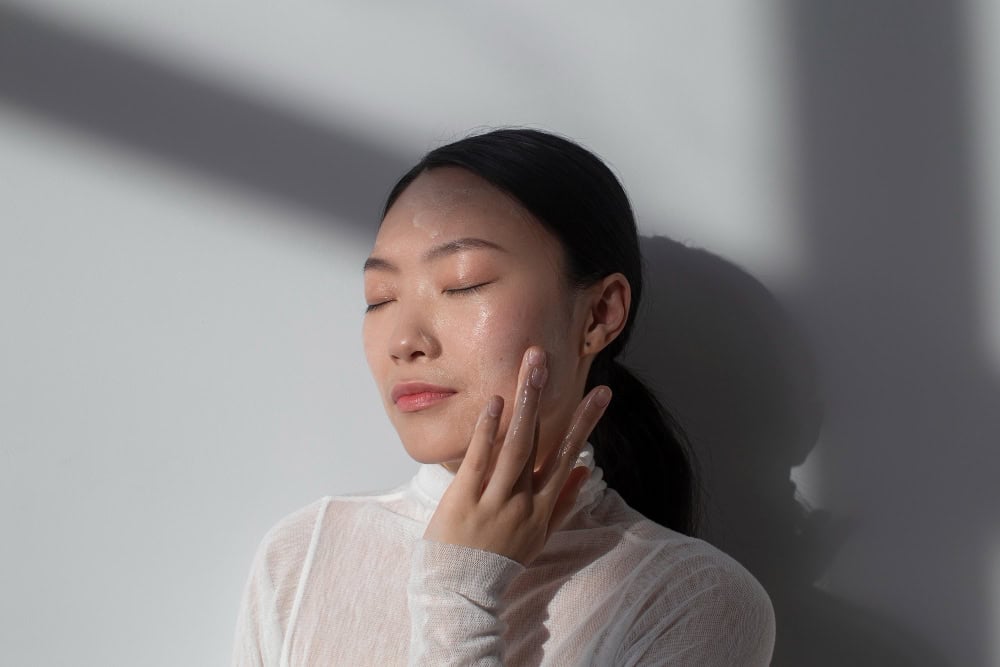
Tretinoin side effects are dose-dependent and often manageable.
Common reactions include:
- Dryness
- Peeling
- Redness
- Stinging sensation
- Increased sun sensitivity
It is not recommended during pregnancy due to potential cause of birth defects.
Barrier support is critical. At Clique Clinic, we often pair tretinoin with medical-grade moisturisers and advise on adjusting frequency rather than stopping completely when irritation occurs.
Who Should Use Tretinoin?
Tretinoin is suitable for:
- Acne-prone individuals.
- Patients with post-inflammatory hyperpigmentation.
- Those with early signs of photoageing.
- Patients undergoing comprehensive aesthetic programmes.
However, it may not be ideal for:
- Extremely sensitive or rosacea-prone skin without supervision.
- Compromised skin barriers.
- Pregnant individuals.
A personalised assessment by a medical skin doctor ensures that tretinoin fits safely within your broader treatment plan.
Final Thoughts
Tretinoin is undeniably one of the most effective, research-supported dermatological treatments available today. Its ability to regulate cell turnover, stimulate collagen, and improve pigmentation makes it a valuable ingredient in medical skincare.
Yet potency demands respect. Success with tretinoin requires patience, consistency, and professional guidance.
When integrated strategically, especially alongside treatments such as lasers, injectables, skin boosters, microneedling, or melasma management programmes offered at Clique Clinic in Malaysia, it becomes a powerful catalyst for long-term skin health.
If you are considering tretinoin cream or tretinoin gel for acne, pigmentation, or anti-aging concerns, speak with our Clique doctors. A tailored consultation ensures the correct tretinoin strength, frequency, and complementary treatments are chosen specifically for your skin. wa.me/60123537960.