Mugwort in Skincare: What Is It, Benefits & Skin Type Suitability

Mugwort in Skincare: What Is It, Benefits & Skin Type Suitability Key takeaways: Mugwort is a botanical skincare ingredient from the Artemisia genus, commonly used for soothing, antioxidant, and skin-barrier support. Mugwort helps calm temporary redness, irritation, and environmentally stressed skin, but it is not a treatment for inflammatory skin…
Continue ReadingMugwort in Skincare: What Is It, Benefits & Skin Type Suitability

Hair Loss: What Causes It, How to Stop It, and Treatments Available

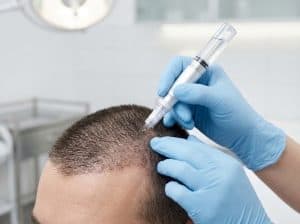
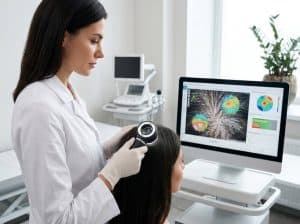
Hair Loss: What Causes It, How to Stop It, and Treatments Available Key takeaways: Hair loss has many possible causes, including genetics, hormones, stress, illness, nutritional deficiencies, autoimmune conditions, and repeated hair damage. Normal shedding is usually around 50–100 hairs a day, while a widening part, receding hairline, visible scalp,…

Continue ReadingHair Loss: What Causes It, How to Stop It, and Treatments Available

Kegel Exercises: Benefits, How To & Results

Kegel Exercises: Benefits, How To & Results Key takeaways: Kegel exercises strengthen the pelvic floor muscles that support bladder, bowel, and pelvic control. Both men and women may benefit, especially when pelvic floor weakness contributes to urinary leakage, postpartum changes, or recovery after prostate treatment. Correct technique matters more than…

Continue ReadingKegel Exercises: Benefits, How To & Results

Exosome Serum: How It Can Amplify Your Existing Skincare Routine

Exosome Serum: How It Can Amplify Your Existing Skincare Routine Key takeaways: Exosome serum is a repair-focused skincare product that supports cellular communication, hydration, barrier resilience and overall skin quality. Unlike retinol, vitamin C or hyaluronic acid, exosome serum works through intercellular signalling rather than primarily targeting cell turnover, oxidative…

Continue ReadingExosome Serum: How It Can Amplify Your Existing Skincare Routine

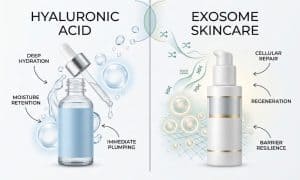
Exosome vs Hyaluronic Acid: Their Differences and How They May Complement Each Other

Exosome vs Hyaluronic Acid: Their Differences and How They May Complement Each Other Key takeaways: Exosome skincare and hyaluronic acid support skin in different ways: hyaluronic acid focuses on hydration, while exosome skincare focuses more on repair, resilience and cellular communication. Hyaluronic acid is a well-established hydrator that helps attract…

Continue ReadingExosome vs Hyaluronic Acid: Their Differences and How They May Complement Each Other

Exosome Therapy vs Exosome Skincare: Serums, Masks & Creams

Exosome Therapy vs Exosome Skincare: Serums, Masks & Creams Key Takeaways Exosome therapy is professionally delivered and more intensive, while exosome skincare provides ongoing topical support as part of a home routine. Exosome serums are lightweight and suited to regular use for supporting hydration, skin recovery, resilience, and overall skin…

Continue ReadingExosome Therapy vs Exosome Skincare: Serums, Masks & Creams

Exosomes vs Vitamin C: Their Differences & How They May Complement Each Other

Exosomes vs Vitamin C: Their Differences & How They May Complement Each Other Key takeaways: Exosomes and vitamin C support skin health in different ways: vitamin C focuses on antioxidant protection, brightening and collagen support, while exosome skincare focuses more on repair, hydration and barrier resilience. Vitamin C has a…

Continue ReadingExosomes vs Vitamin C: Their Differences & How They May Complement Each Other

How Diet Affects Your Skin: Our Skin Is Often a Mirror of Our Overall Health

How Diet Affects Your Skin: Our Skin Is Often a Mirror of Our Overall Health Key Takeaways Diet can affect skin health by supplying nutrients involved in repair, collagen formation, hydration, barrier function, and antioxidant protection. There is no single best food for skin; a balanced diet with protein, colourful…

Continue ReadingHow Diet Affects Your Skin: Our Skin Is Often a Mirror of Our Overall Health

Transcranial Magnetic Stimulation (TMS): What TMS Therapy Is and How It Works

Transcranial Magnetic Stimulation (TMS): What TMS Therapy Is and How It Works Key Takeaways Transcranial Magnetic Stimulation (TMS) is a non-invasive therapy that uses magnetic pulses to stimulate targeted areas of the brain. TMS is most commonly used for major depressive disorder, particularly when medication or psychotherapy has not provided…

Continue ReadingTranscranial Magnetic Stimulation (TMS): What TMS Therapy Is and How It Works