
Exosome Therapy vs Exosome Skincare: Serums, Masks & Creams

Exosome Therapy vs Exosome Skincare: Serums, Masks & Creams Key Takeaways Exosome therapy is professionally delivered and more intensive, while exosome skincare provides ongoing topical support as part of a home routine. Exosome serums are lightweight and suited to regular use for supporting hydration, skin recovery, resilience, and overall skin…


Continue ReadingExosome Therapy vs Exosome Skincare: Serums, Masks & Creams

Exosomes vs Vitamin C: Their Differences & How They May Complement Each Other

Exosomes vs Vitamin C: Their Differences & How They May Complement Each Other Key takeaways: Exosomes and vitamin C support skin health in different ways: vitamin C focuses on antioxidant protection, brightening and collagen support, while exosome skincare focuses more on repair, hydration and barrier resilience. Vitamin C has a…

Continue ReadingExosomes vs Vitamin C: Their Differences & How They May Complement Each Other

How Diet Affects Your Skin: Our Skin Is Often a Mirror of Our Overall Health

How Diet Affects Your Skin: Our Skin Is Often a Mirror of Our Overall Health Key Takeaways Diet can affect skin health by supplying nutrients involved in repair, collagen formation, hydration, barrier function, and antioxidant protection. There is no single best food for skin; a balanced diet with protein, colourful…

Continue ReadingHow Diet Affects Your Skin: Our Skin Is Often a Mirror of Our Overall Health

Transcranial Magnetic Stimulation (TMS): What TMS Therapy Is and How It Works

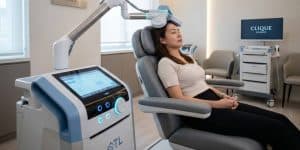
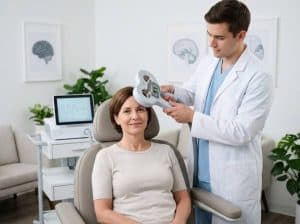
Transcranial Magnetic Stimulation (TMS): What TMS Therapy Is and How It Works Key Takeaways Transcranial Magnetic Stimulation (TMS) is a non-invasive therapy that uses magnetic pulses to stimulate targeted areas of the brain. TMS is most commonly used for major depressive disorder, particularly when medication or psychotherapy has not provided…

Continue ReadingTranscranial Magnetic Stimulation (TMS): What TMS Therapy Is and How It Works

Exosomes vs Retinol: Is Exosome Better Than Retinol?

Exosomes vs Retinol: Is Exosome Better Than Retinol? Key takeaways: Exosomes and retinol work differently: retinol speeds up skin renewal, while exosome skincare focuses more on cellular signalling, repair, hydration, and barrier support. Retinol has a longer and stronger evidence base for acne, wrinkles, pigmentation, and photoageing. Exosome skincare may…

Continue ReadingExosomes vs Retinol: Is Exosome Better Than Retinol?

Guide to Building a Skincare Routine That Works for You

Guide to Building a Skincare Routine That Works for You Key Takeaways A good skincare routine does not need to be complicated; for most people, the foundation is cleanser, moisturiser, and sunscreen. The correct skincare order is generally cleanser, treatment serum, moisturiser, and sunscreen in the morning, with sunscreen removed…

Continue ReadingGuide to Building a Skincare Routine That Works for You

EXOMIND vs Traditional Transcranial Magnetic Stimulation (TMS): What’s the Difference?

EXOMIND vs Traditional Transcranial Magnetic Stimulation (TMS): What's the Difference? Key Takeaways EXOMIND is a modern rTMS platform that uses non-invasive magnetic pulses to stimulate targeted areas of the brain. EXOMIND and traditional TMS use the same core brain-stimulation principle but may follow different treatment protocols and schedules. Traditional clinical…

Continue ReadingEXOMIND vs Traditional Transcranial Magnetic Stimulation (TMS): What’s the Difference?

Hypersomnia: Why Do I Sleep So Much? Causes, Symptoms, & Treatment

Hypersomnia: Why Do I Sleep So Much? Causes, Symptoms, & Treatment Key Takeaways: Hypersomnia is a sleep disorder characterised by excessive daytime sleepiness despite getting enough or even prolonged sleep. Common symptoms include long sleep duration, difficulty waking, sleep inertia, brain fog, poor concentration, and unrefreshing naps. Hypersomnia may be…

Continue ReadingHypersomnia: Why Do I Sleep So Much? Causes, Symptoms, & Treatment

Somnolence (Drowsiness): Causes, Treatments, & Nutritional Guide

Somnolence (Drowsiness): Causes, Treatments, & Nutritional Guide Key Takeaways: Somnolence is excessive drowsiness or an increased tendency to fall asleep during normal waking hours. Common symptoms include heavy eyelids, brain fog, poor concentration, slow reactions, microsleeps, and reduced productivity. Possible causes include insufficient sleep, sleep apnoea, narcolepsy, thyroid disorders, mood…

Continue ReadingSomnolence (Drowsiness): Causes, Treatments, & Nutritional Guide

Managing Postprandial Somnolence (Food Coma) for Work Productivity

Managing Postprandial Somnolence (Food Coma) for Work Productivity Key Takeaways: Postprandial somnolence, also called food coma, is the temporary sleepiness or loss of alertness that can occur after eating. Large portions, refined carbohydrates, high-fat meals, poor sleep, and the natural afternoon energy dip can make a food coma feel worse.…

Continue ReadingManaging Postprandial Somnolence (Food Coma) for Work Productivity