
Power Nap: Benefits to Boost Your Day & How to Do It Well

The power nap is one of the most studied habits in daytime performance science. A short, strategically timed nap restores mental clarity, lifts mood, and sharpens focus, without the grogginess that comes from sleeping too long. If you have hit that afternoon slump at work and wondered whether 20 minutes…

Continue ReadingPower Nap: Benefits to Boost Your Day & How to Do It Well

EXOMIND vs Traditional Transcranial Magnetic Stimulation (TMS): What’s the Difference?

EXOMIND vs Traditional Transcranial Magnetic Stimulation (TMS): What's the Difference? Key Takeaways EXOMIND is a modern rTMS platform that uses non-invasive magnetic pulses to stimulate targeted areas of the brain. EXOMIND and traditional TMS use the same core brain-stimulation principle but may follow different treatment protocols and schedules. Traditional clinical…

Continue ReadingEXOMIND vs Traditional Transcranial Magnetic Stimulation (TMS): What’s the Difference?

Hypersomnia: Why Do I Sleep So Much? Causes, Symptoms, & Treatment

Hypersomnia: Why Do I Sleep So Much? Causes, Symptoms, & Treatment Key Takeaways: Hypersomnia is a sleep disorder characterised by excessive daytime sleepiness despite getting enough or even prolonged sleep. Common symptoms include long sleep duration, difficulty waking, sleep inertia, brain fog, poor concentration, and unrefreshing naps. Hypersomnia may be…

Continue ReadingHypersomnia: Why Do I Sleep So Much? Causes, Symptoms, & Treatment

Somnolence (Drowsiness): Causes, Treatments, & Nutritional Guide

Somnolence (Drowsiness): Causes, Treatments, & Nutritional Guide Key Takeaways: Somnolence is excessive drowsiness or an increased tendency to fall asleep during normal waking hours. Common symptoms include heavy eyelids, brain fog, poor concentration, slow reactions, microsleeps, and reduced productivity. Possible causes include insufficient sleep, sleep apnoea, narcolepsy, thyroid disorders, mood…

Continue ReadingSomnolence (Drowsiness): Causes, Treatments, & Nutritional Guide

Sleep Inertia: Why Is It So Hard to Wake Up?

That heavy, foggy feeling when your alarm goes off, and your brain simply refuses to cooperate? That is sleep inertia. It is far more than just being a bad morning person. It is a measurable neurological state with real effects on how you think, move and function upon waking up.…

Continue ReadingSleep Inertia: Why Is It So Hard to Wake Up?

Managing Postprandial Somnolence (Food Coma) for Work Productivity

Managing Postprandial Somnolence (Food Coma) for Work Productivity Key Takeaways: Postprandial somnolence, also called food coma, is the temporary sleepiness or loss of alertness that can occur after eating. Large portions, refined carbohydrates, high-fat meals, poor sleep, and the natural afternoon energy dip can make a food coma feel worse.…

Continue ReadingManaging Postprandial Somnolence (Food Coma) for Work Productivity

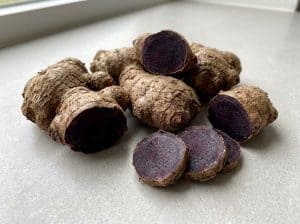
Black Ginger (Kaempferia parviflora): What Is It, Benefits and Nutritional Value

Black Ginger (Kaempferia parviflora): What Is It, Benefits and Nutritional Value Key Takeaways Black ginger is rich in polymethoxyflavones (PMFs), powerful plant compounds linked to circulation, energy, and antioxidant support. Research suggests it may support physical performance, metabolism, healthy ageing, vascular health, and male vitality when combined with a healthy…

Continue ReadingBlack Ginger (Kaempferia parviflora): What Is It, Benefits and Nutritional Value

Brain Fog: What It Is, Causes, Symptoms & Treatment

Brain Fog: What It Is, Causes, Symptoms & Treatment Key Takeaways Brain fog is a collection of cognitive symptoms that can affect concentration, memory, mental clarity, and productivity. Common causes include poor sleep, chronic stress, anxiety, depression, hormonal changes, nutritional deficiencies, and certain medical conditions. Brain fog is not a…

Continue ReadingBrain Fog: What It Is, Causes, Symptoms & Treatment

Red Ginger: What is it, Benefits, & Nutritional Value

Red Ginger: What is it, Benefits, & Nutritional Value Key Takeaways Red ginger (Halia Bara) is rich in gingerol, shogaol, and antioxidants that support overall health and wellness. Research suggests it may help support immunity, digestion, circulation, metabolic health, and joint comfort as part of a healthy lifestyle. Compared with…

Continue ReadingRed Ginger: What is it, Benefits, & Nutritional Value

Blue Ginger: What is it, Benefits, and Nutritional Value

Blue Ginger: What is it, Benefits, and Nutritional Value Key Takeaways Blue ginger (Alpinia galanga), also known as galangal, is rich in antioxidants, flavonoids, and bioactive compounds that support overall wellness. Research suggests it may help support digestion, immunity, joint comfort, metabolic health, and cognitive function as part of a…

Continue ReadingBlue Ginger: What is it, Benefits, and Nutritional Value