
Key Takeaways
- Diet can affect skin health by supplying nutrients involved in repair, collagen formation, hydration, barrier function, and antioxidant protection.
- There is no single best food for skin; a balanced diet with protein, colourful fruits and vegetables, healthy fats, wholegrains, nuts, and seeds provides broader support.
- Protein-rich foods support normal tissue repair, while vitamin C-rich foods help with collagen formation and antioxidant protection.
- Omega-3-rich foods such as fatty fish, walnuts, chia seeds, and flaxseeds may support skin-barrier function and inflammatory balance.
- Meal planning can make it easier to consistently include skin-supporting nutrients throughout the week instead of relying on short-term diets or “superfoods.”
- At Clique Clinic, personalised meal management can help patients make practical food choices that support healthier skin alongside an appropriate skincare routine.
Introduction
Good skin does not come from skincare alone. What lands on your plate can matter just as much as what goes on your face.
Protein, healthy fats, vitamins, minerals, and antioxidants all play a role in skin repair, collagen formation, barrier strength, and protection against everyday oxidative stress. Over time, your eating habits can influence how clear, resilient, and healthy your skin looks.
That does not mean one “superfood” will fix acne or undo years of sun damage. Diet works best as part of the bigger picture alongside sunscreen, good skincare, sleep, stress management, and professional care when needed.
So how does diet actually affect your skin, and which foods are worth prioritising? This article breaks down the connection between nutrition and skin health for clearer, healthier-looking skin over time.
How Does Diet Affect Your Skin?
Diet affects the skin by supplying nutrients needed for normal cell function, repair, collagen production, and maintenance of the skin barrier.
Protein provides amino acids used throughout tissue repair. Essential fats contribute to the lipid-rich barrier that helps prevent excessive moisture loss. Vitamins and minerals support many cellular processes, while antioxidants help protect cells against oxidative stress.
Vitamin C is particularly important because it contributes to normal collagen synthesis and antioxidant protection within the skin.
However, food is only one piece of the picture. Genetics, hormones, sun exposure, sleep, stress, skincare habits, medications, and underlying health conditions can all affect how your skin looks and behaves.
What Are the Best Foods for Skin?
There is no single best food for skin. A varied diet that provides enough nutrients is more useful than relying on one superfood.
Protein-rich foods for skin repair
Protein-rich foods include fish, eggs, chicken, tofu, tempeh, beans, lentils, and other legumes.
Protein provides amino acids that the body uses to build and maintain tissues, including structural proteins within the skin. This makes adequate protein particularly relevant when thinking about the best foods for skin repair.
Include a good source of protein at each main meal to support a steady intake of amino acids needed for normal tissue repair and maintenance.
Vitamin and antioxidant-rich foods
Colourful fruits and vegetables provide vitamin C, carotenoids, polyphenols, and other antioxidant compounds.
Try adding a mix of fruits and vegetables to your meals, such as:
- Guava
- Kiwi
- Oranges
- Berries
- Papaya
- Bell peppers
- Tomatoes
- Broccoli
- Leafy greens
Vitamin C supports collagen formation, while plant antioxidants help protect against oxidative stress.
The simplest strategy is variety: the more colours you regularly include across your meals, the broader the range of nutrients you are likely to consume.
Also read: Supplements & Vitamins for Hair Loss: What Helps Hair Growth.
Healthy fats and omega-3 sources
Healthy fats are also important for normal skin-barrier function.
Sources include fatty fish such as salmon and sardines, as well as walnuts, chia seeds and flaxseeds. Omega-3 fatty acids have been studied for their role in skin-barrier function and inflammatory pathways.
These foods can be incorporated easily into meals rather than treated as separate “skin supplements.”
Hydrating foods
Water-rich foods such as cucumber, watermelon, oranges, tomatoes, soups, and leafy vegetables contribute to overall fluid intake.
They do not replace drinking water, but they can support hydration as part of a balanced diet.
What Foods Should You Limit for Healthier Skin?
Healthy skin is not just about what you add to your diet; what you eat less often can matter too, especially if you are prone to breakouts or inflammation.
- Sugary drinks and sweets: Frequent spikes in blood sugar may contribute to a higher-glycaemic diet, which has been linked to breakouts in some individuals.
- Highly refined carbohydrates: Pastries, white bread, and heavily processed snacks may leave less room for more nutrient-dense foods and may aggravate acne in some people.
- Ultra-processed foods: These are often low in fibre and micronutrients, so relying on them too heavily can make it harder to build a balanced, skin-supportive diet.
- Cow’s milk for some individuals: Some observational studies have found an association between milk intake and acne, but this does not mean everyone needs to cut out dairy.
- Excessive alcohol: Alcohol can contribute to dehydration and make it harder to maintain an overall balanced diet.
The goal is moderation, not restriction. If you notice that certain foods repeatedly seem to trigger breakouts, track the pattern first before making major changes to your diet.
How to Build a Skin-Friendly Meal
You do not need a complicated “skin diet” to eat well for your skin. A simple, balanced plate is a much easier place to start.
Aim for roughly:
- ½ plate: colourful vegetables, with fruit included elsewhere in the meal or day
- ¼ plate: protein such as fish, chicken, eggs, tofu, tempeh, or legumes
- ¼ plate: wholegrain or minimally processed carbohydrates such as brown rice, oats, quinoa, or sweet potato
- Add: a healthy fat such as nuts, seeds, avocado, or olive oil
- Drink: water or an unsweetened beverage
This gives your skin a mix of protein, healthy fats, vitamins, minerals, and antioxidants without turning every meal into a nutrition project.
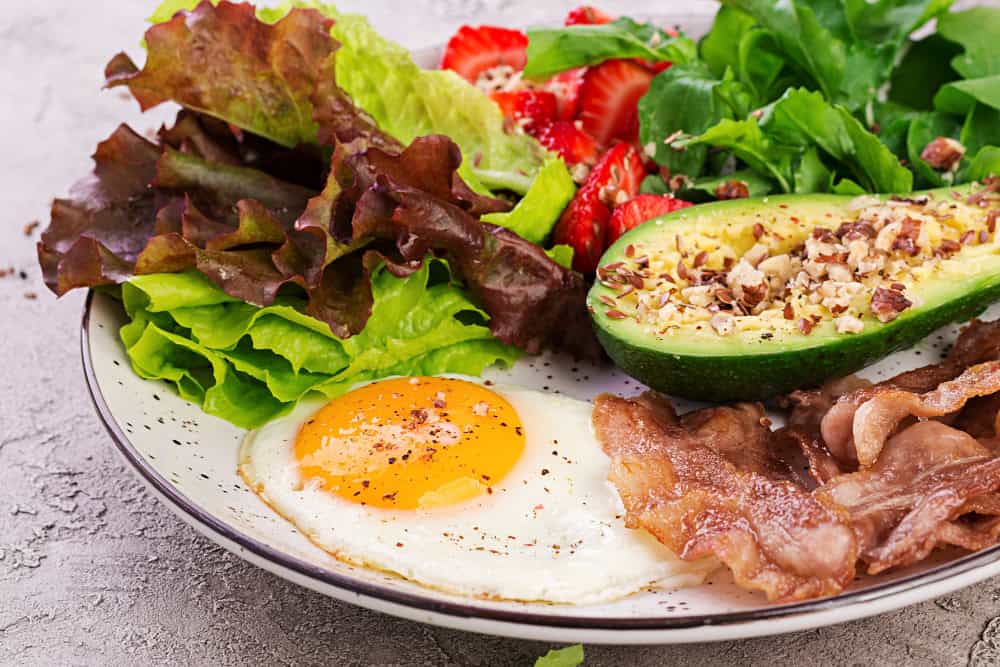
A simple day could look like:
- Breakfast: Oats with berries, yoghurt, and chia seeds
- Lunch: Grilled salmon or tofu with brown rice and vegetables
- Snack: Fruit with a handful of nuts
- Dinner: Chicken, fish, tofu, or legumes with colourful vegetables and a wholegrain carbohydrate
You do not have to eat perfectly at every meal. What matters more is building a pattern you can realistically maintain throughout the week.
Also read: Guide to Building Skincare Routine That Works for You.
How Long Does It Take for Diet to Affect Your Skin?
Dietary changes are unlikely to transform your skin in a few days.
Skin renewal and changes in nutritional status take time, so improvements in dryness, overall skin quality, or diet-related breakouts may develop gradually over several weeks or longer.
Rather than relying on quick fixes like cleanses or restrictive diets, focus on consistent, balanced eating habits that you can actually maintain.
If your skin still is not improving despite good nutrition and skincare, it may be worth looking at other possible causes.
FAQ
What is the best food for skin?
There is no single best food. A varied diet containing protein, colourful fruits and vegetables, healthy fats, and whole foods provides broader support for skin health.
What foods are best for skin repair?
Protein-rich foods such as fish, eggs, poultry, tofu, tempeh, and legumes provide amino acids involved in normal tissue repair. Vitamin C-rich foods also support normal collagen formation.
Which foods should you limit for healthier skin?
Try to limit frequent intake of sugary drinks, highly refined carbohydrates, excessive alcohol, and heavily processed foods. Focus on your overall eating pattern rather than labelling individual foods as universally “bad” for skin.
What foods support collagen production?
Protein-rich foods provide amino acids used to build collagen, while vitamin C-rich foods such as guava, citrus fruits, berries, papaya, and bell peppers support normal collagen formation.
Can drinking more water improve your skin?
Adequate hydration supports normal skin function, but drinking extra water alone will not necessarily clear acne or transform the skin. Hydration works best alongside balanced nutrition and an appropriate skincare routine.
Does sugar affect your skin?
Frequent high-glycaemic foods and sugary drinks can cause rapid blood-glucose changes and may worsen acne in some individuals.
Can diet alone clear acne?
Usually not. Diet may influence acne, but skincare, hormones, genetics, medications, and other factors also matter. Persistent acne should be professionally assessed.
Conclusion
Healthy skin reflects more than what you put on it. The foods you eat can also play an important role in supporting repair, hydration, collagen formation, and overall skin function.
A balanced diet built around protein, colourful fruits and vegetables, healthy fats, wholegrains, and adequate hydration gives your skin the nutrients it needs to function at its best. The key is consistency—small, sustainable habits tend to matter more than short-term fixes.
At Clique Clinic, we take a broader view of skin health. For individuals who want to improve their skin through everyday lifestyle changes, personalised meal planning and nutritional guidance can make healthy eating more practical and easier to maintain.
A consultation can also help identify whether diet, skincare, lifestyle habits, or an underlying skin concern needs more attention, so your plan supports healthier skin from the inside out.
Contact us today to start building a personalised skin-health plan that supports healthier skin from the inside out.