Supplements & Vitamins for Hair Loss: What Helps Hair Growth |
Key Takeaways
- Hair loss: can be caused by genetics, hormonal shifts, stress, illness, or nutrient deficiencies.
- Vitamins: like biotin, D, E, C, and minerals like iron and zinc are crucial for hair follicle health and growth.
- Targeted supplementation: can help reduce hair shedding and improve hair density, especially in those with confirmed deficiencies.
- Top supplements: include multivitamins, collagen peptides, saw palmetto, and herbal blends like Ashwagandha.
- Natural food sources: provide better absorption, but supplements are useful for those with dietary gaps or malabsorption issues.
- Hair supplements: require consistent use over 3–6 months to show visible results.
Introduction
Hair is a crucial component of one’s personal identity and aesthetic appeal. As such, the experience of hair loss can be extremely distressing, often causing social anxiety.
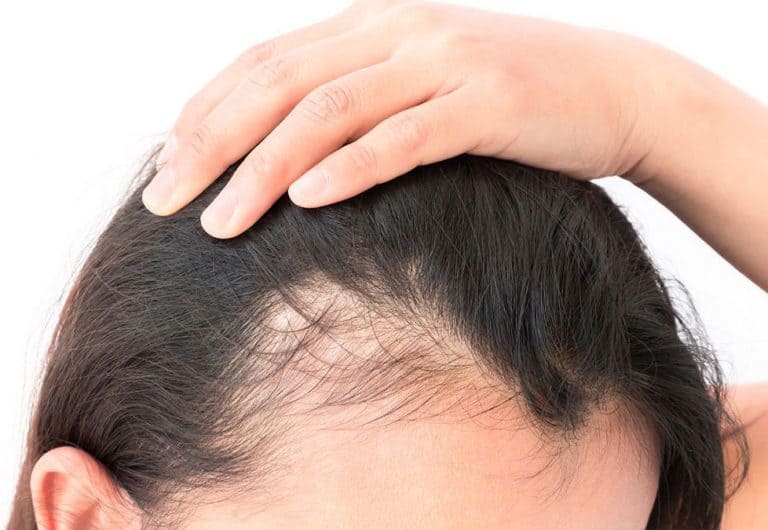
Hair loss could be caused by genetics, hormone imbalances, stress, disease, and even some drugs. Nutritional deficits and poor lifestyle choices could even trigger it. This complex interplay of triggers only makes hair loss management more complicated.
Fortunately, some vitamins and hair loss supplements for women and men offer an effective hair loss management intervention. This blog seeks to explore how targeted supplements and vitamins help manage hair loss and improve its vitality.
What Causes Hair Loss?

Disparate factors may cause hair loss, each contributing to the condition in different ways. For example:
- Genetics: Androgenetic alopecia is a genetically predetermined disorder that affects both men and women. Because of an excessive response to androgens, this disorder typically causes one’s hair follicles to gradually thin.
- Hormonal Imbalances: Hormonal fluctuations during pregnancy, menopause, and thyroid disorders may disrupt one’s normal hair growth cycle.
- Nutritional Deficiencies: Deficiency in iron, zinc, biotin, and vitamins D and E may weaken one’s hair structure, making hair more prone to shedding.
- Stress, Illness, or Medications: Emotional stress, severe illnesses, and side effects from chemotherapy may induce temporary hair loss.
- Poor Scalp Health or Over-Styling: Scalp conditions like dandruff, infections, or excessive use of harsh hair treatments may damage hair follicles and lead to breakage.

Can Supplements Help with Hair Loss?
In practice, hair follicles need a constant flow of vitamins, minerals, and amino acids to sustain cell division, growth, and renewal.
More specifically, iron, zinc, Vitamin D, Vitamin B7, Vitamin C, and Vitamin E support hair follicle function, promote collagen production, and enhance blood circulation to the scalp, thereby protecting hair follicles from oxidative stress due to free radicals.
As such, hair loss and shedding can be significantly impacted by nutritional deficits. Iron deficiency, for instance, weakens hair growth by reducing oxygen transfer to hair follicles. Zinc deficiencies cause keratin formation to be disrupted by protein synthesis, which leads to brittle, easily broken hair.
Relatedly, inadequate vitamin B12 disrupts normal cell function in the follicles. Vitamin D deficiency may affect one’s hair follicle cycle and lead to disorders like alopecia.
According to authoritative clinical studies, addressing these deficiency deficits can increase hair density and decrease shedding. For example, a randomised, placebo-controlled trial demonstrated that daily supplementation with specific vitamin and mineral combinations led to measurable increases in hair growth density after several months.
So, while supplementation is effective in mitigating hair loss, it’s most beneficial when targeted at those with proven nutrient deficiencies or inadequate dietary intake.
Essential Vitamins and Minerals for Hair Growth
Several vitamins and nutrients collectively help maintain hair follicle growth and structural integrity. Let’s explore them, shall we?
Biotin (Vitamin B7)
Biotin (Vitamin B7) is important for keratin production. Keratin is a protein that fortifies hair structure and supports hair follicle health.
In essence, biotin fundamentally promotes hair growth by improving follicle strength. Biotin deficiency typically manifests as skin rashes, brittle nails, hair loss, and thinning hair.
Vitamin D
Vitamin D is critical in the creation and cycling of new hair follicles, promoting hair growth and follicle regeneration. Beyond being associated with early greying, Vitamin D deficiency often causes brittle hair, increased shedding, and hair thinning.
Vitamin E
As an antioxidant, Vitamin E promotes scalp circulation and shields hair follicles from oxidative damage. Vitamin E deficiency typically manifests as increased hair loss, thinning, and dry, damaged hair strands.
Vitamin C
Vitamin C improves iron absorption, which is essential for the oxygenation of hair follicles. It also promotes the synthesis of collagen, which is vital to maintaining hair structure. Vitamin C deficiency may lead to hair breakage, slow growth, and exacerbated hair loss, particularly in people with iron deficiency.
Iron
Iron is vital for transporting oxygen to hair follicles. Thereby, enabling robust hair growth and follicle function. Iron deficiency is a relatively common cause of hair loss in women. Besides hair thinning and increased shedding, its symptoms include fatigue and pale skin.
Zinc
Zinc promotes the repair of hair tissue and maintains the health of the sebaceous glands around hair follicles. Zinc deficiency typically appears in the form of hair loss, brittle hair, and poor wound healing on the scalp.
Omega-3 fatty acids
Omega-3 fatty acids reduce inflammation, nourish hair follicles, and enhance scalp hydration. Thereby, promoting strong and shiny hair. Omega-3 deficiency can result in a dry scalp, dull hair, and increased hair shedding.
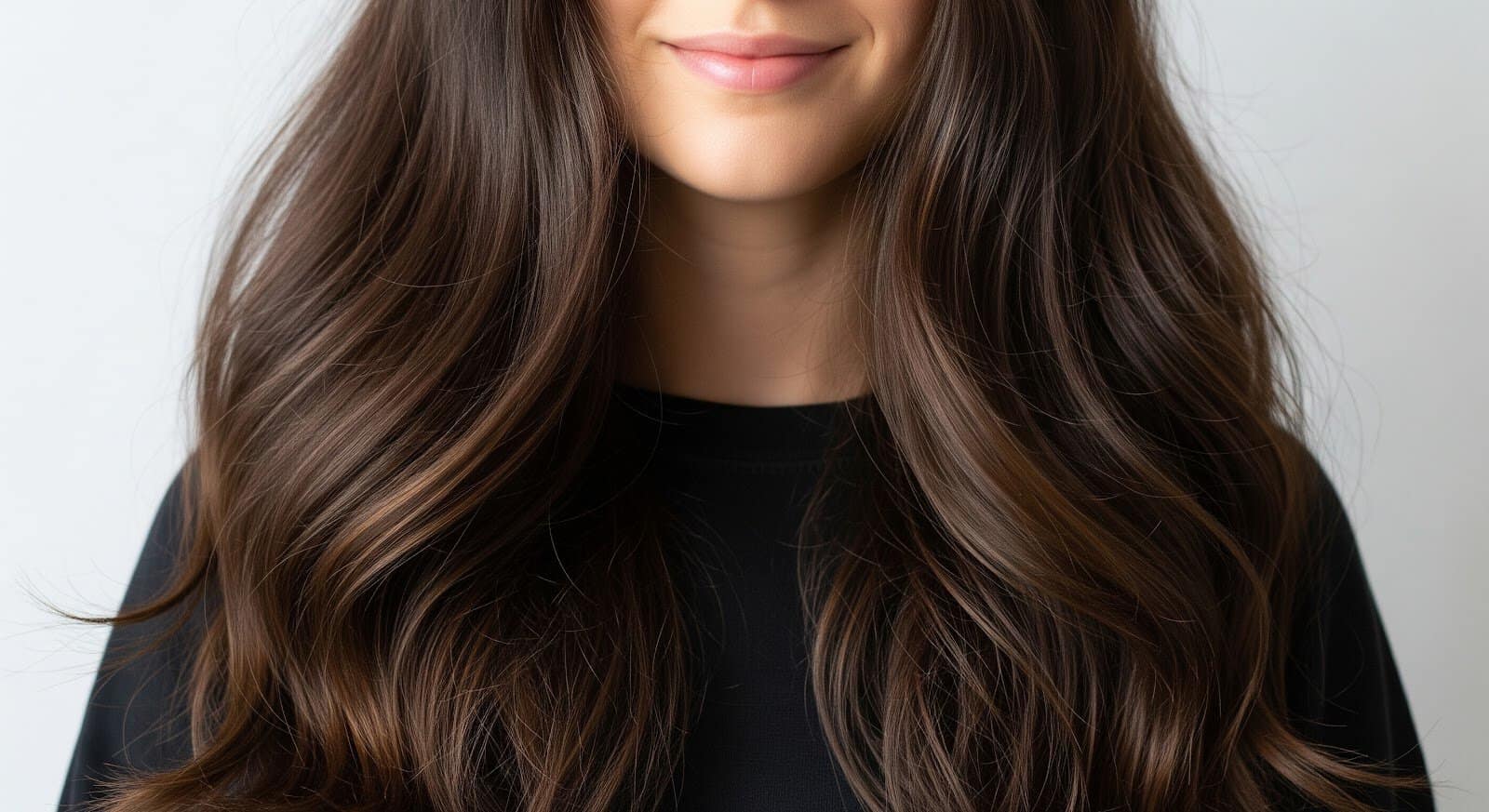
What Is The Best Supplement For Hair Loss And Regrowth?
Supplements play a supportive role in hair growth by correcting nutritional deficiencies that limit hair follicle function. They also provide antioxidant protection and structural amino acids to maintain hair vitality. Let’s take a look at the best supplements for hair loss and growth, shall we?
Multivitamins
Multivitamin supplementation can be an all-around strategy to support hair health. They offer a wide variety of vital vitamins and minerals that promote the health of hair follicles.
In practice, multivitamin formulations often combine Vitamins A, B, C, D, E, zinc, and occasionally iron. Generally, multivitamins are ideal when diet alone isn’t enough to address nutritional deficiencies that may be causing hair thinning or shedding.
Collagen peptides
Collagen peptides supply the amino acids required for the synthesis of keratin—the primary structural protein in hair. They also support the skin and scalp’s extracellular matrix. Thus, fostering a healthy environment for hair follicles.
According to research studies, collagen’s antioxidant qualities help in reducing damage from free radicals, which contribute to ageing and loss of hair.
Saw Palmetto
This is a herbal supplement utilised for hair loss because of its potential to inhibit the conversion of testosterone to dihydrotestosterone (DHT). Scientifically, DHT is a hormone closely linked to androgenetic alopecia (male and female pattern baldness).
So, by appreciably lowering DHT levels, saw palmetto reduces miniaturisation of hair follicles and slows hair thinning. In fact, it’s often recommended as a natural alternative to pharmaceutical DHT-blockers.
Herbal blends (e.g., Ashwagandha for stress-related hair fall)
Herbal blends like Ashwagandha have proven effective in combating hair loss related to stress. In practice, Ashwagandha helps regulate cortisol levels and reduce inflammation. Thus, potentially stabilising the hair growth cycle disrupted by chronic stress.
Other herbs in blends may support circulation, reduce scalp inflammation, and provide antioxidants. While scientific data specific to herbal blends is limited, emerging studies support their role as supportive therapy in holistic hair loss management.
Medications
FDA-approved medications like Minoxidil work by widening blood vessels and improving scalp circulation. Thereby, stimulating dormant hair follicles and extending the growth phase of hair.
As the first-line treatment for androgenetic alopecia, Minoxidil is not technically a supplement. Rather, it addresses hair loss through a pharmacologic mechanism rather than nutritional support.
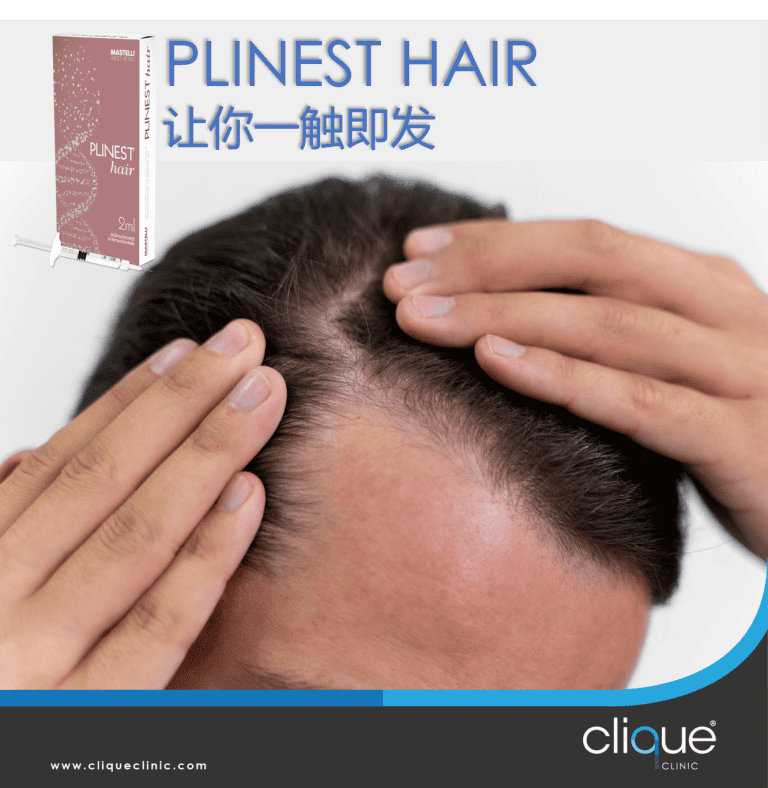
Despite the efficacy of these broad-spectrum hair loss supplements and vitamins, it’s imperative to explore other options like Plinest Injections Treatment.
Natural Sources vs. Supplements: What’s Better?
Both natural food sources and supplements have their uses and limitations when handling hair loss, each with unique benefits and drawbacks.
For instance, natural sources like eggs, fatty fish, and spinach provide a complex matrix of vitamins, minerals, and antioxidants essential for hair follicle health. Natural foods also avert the risk of overdosing, which may happen with supplements.
However, obtaining adequate amounts of specific nutrients solely from diet can be challenging for some individuals. This is especially true for individuals with restricted diets, malabsorption issues, or increased nutritional demands. In such cases, supplements offer a practical and convenient alternative to fill nutrient gaps quickly.
Nonetheless, nutrients from natural food sources are generally better absorbed and more bioavailable than supplements. This is because natural foods contain cofactors and enzymes, compounded by the synergistic effect of other food components. For example, vitamin C-rich foods enhance iron absorption. This is usually harder to achieve with isolated supplements unless carefully combined.
When supplements become necessary?
Supplements are usually recommended when a major vitamin or mineral deficiency that’s vital to the health of hair follicles is identified. For instance, doctors may suggest specific supplements to promote hair regeneration if blood tests show low levels of vitamin D or iron— both of which are critical to hair growth and follicle function.
Nutritional supplements can also be helpful when dietary intake alone isn’t enough to meet a person’s needs. For example, in cases of malabsorption, restrictive diets, or elevated physiological demands.
However, they must be taken carefully since excessive intake may lead to toxicity and paradoxical hair shedding.
Who Should Consider Hair Supplements?
Supplements should serve as an adjunct to a balanced diet rather than a standalone solution for hair loss. Generally, hair supplements are recommended for:
- Individuals with confirmed nutritional deficiencies: identified via blood tests or clinical diagnosis.
- Women postpartum or during menopause: who often experience hormonal fluctuations that may lead to temporary hair shedding.
- People experiencing: stress-induced or seasonal shedding.
- Vegans or those on restrictive diets: who may lack adequate intake of certain key nutrients like vitamin B12, iron, and zinc.
Tips for Choosing the Right Hair Supplement
To pick a high-quality, efficacious hair supplement tailored to your needs while avoiding potential safety risks, always:
- Evaluate if ISO-certified laboratories have independently tested them. This external validation ensures safety, efficacy, and transparency beyond manufacturer claims.
- Avoid products with excessive fillers, additives, or unrealistically high doses of vitamins or minerals. Balanced formulations targeted to clinically effective doses minimise risk and optimise hair benefits.
- Seek out verified user reviews for real-world experiences
- Consult an experienced healthcare professional before starting supplements to ensure the product fits your specific nutritional needs and avoids harmful interactions.
- Opt for supplements containing nutrients in mineral forms (like iron bisglycinate vs. iron oxide) that the body can readily absorb.
FAQs
How long does it take for hair supplements to show results?
Hair supplements typically require consistent use for at least 3 to 6 months before any visible improvements in hair growth or thickness are noticeable. In fact, complete or final results may take longer. Hair growth is a slow process, so early patience is mission-critical.
Can I take too many hair vitamins?
Yes, excessive hair vitamins consumption may be harmful and even worsen hair loss. For instance, Vitamin A, iron, and selenium can become toxic at high doses, leading to hair shedding or scalp issues. As such, it’s imperative to follow recommended dosages and preferably supplement under medical supervision to avoid potential toxicity.
Are there side effects of hair supplements?
When used as prescribed, the majority of hair supplements are safe. However, ingredients and dosage may have adverse effects. Common mild side effects include gastrointestinal discomfort, like nausea or upset stomach. High dosages or sensitivities may also cause more severe problems like toxicity or allergic responses to specific ingredients.
Do hair growth gummies really work?
Yes, hair growth gummies can be effective if they contain biotin, vitamin D, zinc, and iron.
Nonetheless, gummies are often favoured for ease of use and taste but aren’t inherently more effective than capsules or tablets.
What’s the best time of day to take supplements for hair?
There is no single “best time” that has been scientifically proven. For daily adherence, pick a time that works for your schedule because consistency is more crucial than timing.
Conclusion
Nutrients are important for hair health because they support the growth, strength, and general function of hair follicles. Essential vitamins and minerals like biotin, vitamin D, iron and omega-3 fatty acids help produce keratin, enhance scalp circulation, and shield hair follicles from harm.
Deficiencies in these nutrients can disrupt one’s hair growth cycle, leading to thinning, increased shedding, and weaker hair strands. Therefore, the first step in preventing and treating hair loss is ensuring adequate nutrition through a balanced diet or targeted supplementation.
Nutritional supplements support hair health by filling dietary gaps and boosting follicle function. However, they should not be viewed as a standalone solution. Since hair loss is often multifactorial, a holistic approach including proper diet, lifestyle habits, and professional care when necessary.
For personalised diagnosis and treatment options, consider consulting Clique Clinic in Malaysia. Remember, stay consistent and patient—hair takes time to grow.