Key takeaways:
- Ganoderma, also known as lingzhi or reishi, is a medicinal mushroom traditionally used in East Asia for general wellbeing and longevity. It is available as tea, powder, extracts, capsules and spores.
- Ganoderma’s nutritional value comes mainly from its bioactive compounds, particularly polysaccharides, beta-glucans and triterpenes, rather than its contribution to everyday nutrients or calories.
- Potential Ganoderma benefits include antioxidant activity, immune regulation and inflammatory balance. However, much of the supporting research comes from laboratory and animal studies, with limited human evidence.
- Ganoderma may influence blood sugar, cholesterol and cardiovascular health, but clinical findings remain mixed. It should not be used to treat or replace medication for diabetes, high blood pressure or heart disease.
- Different forms of Ganoderma contain varying concentrations of active compounds. Tea, powders, extracts and spore products are not interchangeable, so product quality, formulation and dosage matter.
- Ganoderma is generally well tolerated but may cause side effects or interact with medications, particularly blood thinners and immunosuppressants. Consult a healthcare professional before taking it regularly, especially if you have an existing medical condition.
Introduction
Walk into any Chinese medical hall in Malaysia and it will likely be in stock: a glossy, reddish-brown fungus, stacked in glass jars or sliced into thin woody discs. Lingzhi has been part of Malaysian households for generations. Grandmothers brewed it in medical concoctions. Families gifted it at Chinese New Year. These days, it is in premixed coffee sachets.
Ganoderma is definitely part of the wellness moment, and here is what the science says about Ganoderma lucidum (the lingzhi mushroom) and the reishi mushroom, and what it means for you.
What Is Ganoderma (Lingzhi)?
What is ganoderma exactly? Ganoderma refers to a group of fungi, and Ganoderma lucidum is the best-known species linked to lingzhi and reishi products. In China, Ganoderma lucidum is called lingzhi, while in Japan the Ganodermataceae family is known as reishi or mannentake. Two traditions, but essentially one mushroom.
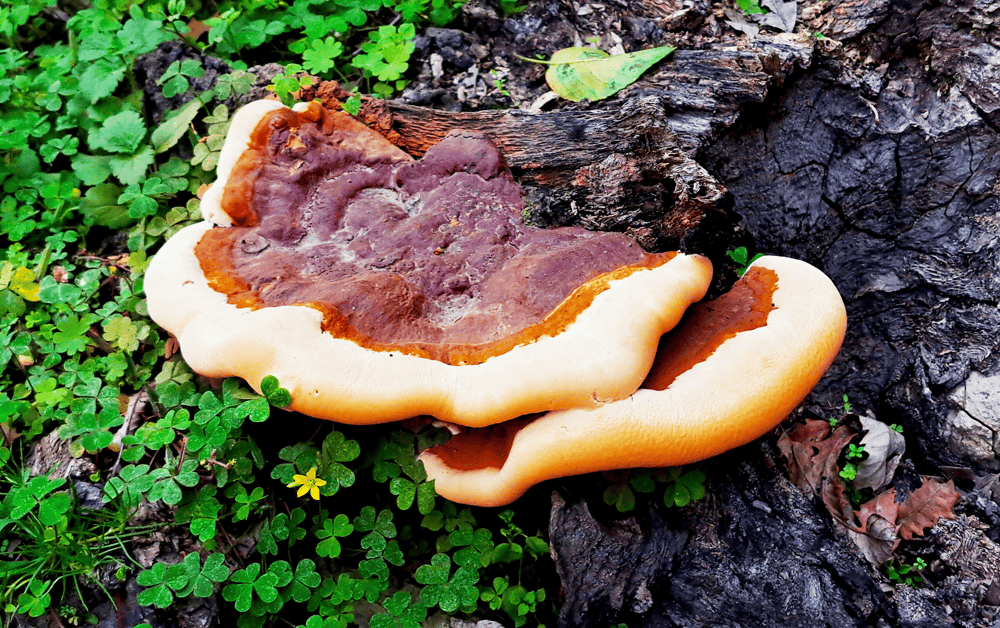
The lingzhi mushroom has a distinctive appearance. It is a fan-like, dark mushroom with a glossy exterior and a woody texture; the Latin word lucidus means “shiny” or “brilliant” and refers to its varnished appearance. In the wild, it grows on wood and decaying tree stumps.
People in China and other East Asian countries have used Ganoderma lucidum to promote health and extend life for more than 2000 years. Traditional Chinese medicine prized it as a tonic for general wellbeing and longevity, as outlined in this NCBI Bookshelf chapter on Ganoderma lucidum.
Today, the reishi mushroom is sold as:
- Dried whole mushroom or slices
- Powder
- Concentrated extract
- Tea
- Capsules
- Spore products
However, many commercial Ganoderma lucidum products lack effective standardisation, making it difficult to compare results across studies using different products. One bottle labelled “ganoderma” is not equal to the next.
What Is the Nutritional Value of Ganoderma?
Researchers note that among cultivated mushrooms, lingzhi’s nutritional value is in its carbohydrates, fibre, protein and amino acids, plus mineral elements such as zinc, copper, iodine, selenium and iron, along with vitamins. Amounts vary by species and preparation.
So Ganoderma’s nutritional value is more about bioactive compounds. The body is tough, woody and naturally bitter. A 2025 review in PMC lists polysaccharides, triterpenoids, phenolic compounds, fatty acids, peptides and proteins, vitamins, minerals and sterols.
These two groups get most of the attention:
- Ganoderma polysaccharides and ganoderma beta glucan. Polysaccharides are large sugar molecules, and in Ganoderma lucidum these polysaccharides are a form of bioactive beta-glucan, most associated with its potential immune-supporting role.
- Ganoderma triterpenes. These include ganoderic acids, which give lingzhi its bitter taste. Triterpenoids contribute through antioxidant activity and by inhibiting inflammatory mediators.
The composition of bioactive compounds shifts with species, growing conditions, the part of the mushroom used, and the processing method. So Ganoderma nutrition is more for the combination of nutrients and bioactive compounds working together.
What Are the Benefits of Ganoderma?
Ganoderma benefits include antioxidant activity, immune regulation and inflammatory balance. But the strength of evidence differs considerably from one outcome to the next.
Here is a fair summary of lingzhi benefits as the research stands today:
- Antioxidant support. Ganoderma may help protect cells from oxidative stress.
- Immune regulation. Its beta-glucans may support normal immune function.
- Inflammatory balance. Triterpenes and other plant compounds may help support the body’s inflammatory balance.
- General wellbeing. Traditionally linked with stamina and healthy ageing.
Many people use it as part of a broader wellness routine rather than for one specific health issue. Reported Ganoderma lucidum benefits depend on the form used, dose, product quality and individual health status. Scientific evidence supporting the beneficial medical properties of G. lucidum is still considered inconclusive.
At Clique Clinic, we place reishi benefits firmly as complementary wellness. It can support a balanced diet and healthy lifestyle, but never replace medical treatment or prescribed medication.
The same logic applies to your skin. A supplement may support healthy ageing from within, but it will not do what a skin booster, PDRN booster or laser treatment does for hydration, texture and pigmentation. The best results usually come from both.
Can Ganoderma Support Immune Function?
Ganoderma may support immune regulation, but not in the simple “boost your immunity” way. Most of the immune support is attributed to its beta glucans and polysaccharides.
Laboratory and animal research suggests these compounds interact with immune cells involved in both innate and adaptive immune responses. A 2025 review on Ganoderma’s immunomodulatory effects shows it can promote leukocyte proliferation, raise levels of immunoglobulins and complement proteins, and activate natural killer cells and macrophages. Effects on T cells were also explored. Memorial Sloan Kettering Cancer Center notes that reishi can enhance immune response, which is relevant for anyone on immunosuppressants.
However, the immune system should be tightly regulated, and extra caution applies if you:
- Have an autoimmune condition
- Take immunosuppressive medication, such as after an organ transplant
Ganoderma may support immune regulation, but it is not a direct treatment plan to prevent infection or disease.
Does Ganoderma Have Antioxidant Benefits?
Yes, Ganoderma antioxidant activity comes from its polysaccharides, triterpenes and phenolic compounds.
Why does this matter? Antioxidants help protect cells against oxidative stress caused by reactive oxygen species. Oxidative stress is part of normal ageing and causes several chronic disease processes. On the skin, it causes dullness, uneven tone and early fine lines.
But as of current time, human evidence is modest. In one small placebo-controlled trial, researchers studied 10 healthy volunteers after a single 1.1g dose of lingzhi and after 10 days of supplementation. Antioxidant markers improved. However, a longer four week study using a commercial encapsulated lingzhi preparation showed no significant effects on biomarkers for antioxidant status, cardiovascular risk, DNA damage, immune status and inflammation.
The takeaway? Lab results do not automatically translate into the same benefit in humans. A nutrient-rich diet full of vegetables, fruit and legumes still works better for antioxidant support.
Can Ganoderma Support Metabolic and Cardiovascular Health?
Ganoderma may influence blood sugar regulation, cholesterol metabolism, blood pressure and circulation. The human evidence, though, is mixed.
A number of in vitro studies and animal models have produced promising findings, as covered in this review on Ganoderma and cardiometabolic health. But real human trials tell a different story.
A Cochrane systematic review identified 5 studies comparing Ganoderma lucidum with placebo in a total of 398 people with type 2 diabetes, and it did not support using Ganoderma to treat cardiovascular risk factors.
A 2025 meta-analysis found that Ganoderma supplementation significantly affected BMI, total cholesterol and an oxidative stress marker, but had no substantial effect on weight or blood pressure.
So Ganoderma is a complementary wellness ingredient, not a medicine for diabetes, high cholesterol, hypertension or heart disease. This matters for safety too. Because reishi may lower blood glucose and blood pressure, taking it alongside medication may increase the risk of low blood pressure and low blood sugar. If you are managing any of these conditions, speak with your doctor first.
Is Ganoderma a Superfood?
Not in any scientific sense. “Superfood” has no formal scientific definition but more of a marketing term.
Ganoderma nutrition is interesting because of its bioactive compounds, not because it beats whole foods. Vegetables, fruit, legumes, nuts and everyday mushrooms like shiitake and oyster still contribute good nutrition to your plate.
Ganoderma is also consumed differently. It comes as an extract, powder, tea or supplement, not as part of a meal. It adds very little protein, fibre or energy to your day. The ganoderma benefits people talk about come from concentrated compounds, not everyday nutrition.
So it is not a shortcut to a balanced diet. If your eating habits need work, that is where meaningful change begins. That is exactly why Clique Clinic runs its Meal Surveillance programme: to understand what you actually eat before adding anything on top.
How Can You Consume Ganoderma?
How to consume ganoderma depends on your preference, but the form you choose changes its potency. The main options are:
- Dried slices brewed into tea. The traditional method. Expect a bitter taste from naturally occurring triterpenes.
- Powdered mushroom. The whole fruiting body, ground down.
- Concentrated extract. May provide more standardised amounts of selected compounds than raw mushroom powder.
- Capsules. The most common ganoderma supplement format on Malaysian pharmacy shelves.
- Spore products. Made from the reproductive spores released by mature Ganoderma mushrooms. Some are labelled “sporoderm broken”, meaning the tough outer spore wall has been disrupted to improve extraction of the compounds inside.
In Malaysia, lingzhi also appears in premixed coffee and herbal drinks. These often contain far less Ganoderma than a dedicated product, so check the label.
Dosage varies widely between preparations. Follow the product instructions rather than assuming one universal dose. A trustworthy label should state the species, the part of the mushroom used and whether it is an extract.
Is Ganoderma Safe to Take Every Day?
Ganoderma is generally well tolerated by many adults. Whether it is safe for you depends on the dose, product type, your health and any medication you take.
So, is ganoderma safe? The US National Institutes of Health’s LiverTox database states that lingzhi is well tolerated and has not been associated with liver enzyme elevations during therapy. However, it has been implicated in rare single instances of acute liver injury, although in most reports other diagnoses were not adequately excluded.
Tea, powders, extracts and spore products are not equivalent. Stronger formulations call for more caution. And “natural” does not automatically mean risk-free, especially when taken daily or alongside medication.
What Are the Possible Side Effects of Ganoderma?
Most reported ganoderma side effects are mild. They include stomach upset, nausea, diarrhoea, dry mouth, dry throat, itching, rash, dizziness and headache.
Side effects may be more likely with concentrated extracts or higher doses. Stop using the product and seek medical advice if symptoms are severe, unusual or persistent. Unusual tiredness or yellowing of the skin or eyes needs prompt attention.
Who Should Be Careful With Ganoderma?
- People taking anticoagulant or antiplatelet medication. Reishi can increase the risk of bleeding and may prolong clotting times, according to Memorial Sloan Kettering Cancer Center. Check with a healthcare professional first.
- People using immunosuppressive or immune-modulating medication. Seek medical advice before use.
- Pregnant or breastfeeding individuals. There has not been enough study on its safety in these circumstances.
- People with liver problems, chronic medical conditions or upcoming surgery. Discuss Ganoderma use with your doctor. It should never replace prescribed treatment.
One point our Clique doctors raise often: if you are booked for fillers, botox, microneedling or RF microneedling, tell us about every supplement you take. Anything that affects clotting can increase bruising after injectables and needling treatments. It is a small conversation that makes a real difference to your recovery.
Final Thoughts
Ganoderma, also known as lingzhi or reishi, is a medicinal mushroom rich in bioactive compounds such as polysaccharides, beta-glucans, and triterpenes. Potential Ganoderma benefits include antioxidant activity, immune regulation and possible metabolic effects, although human evidence remains mixed.
Its nutritional significance lies mainly in bioactive compounds rather than conventional nutrients or calories. Ganoderma comes in different forms, including tea, powder, extracts, spores, and supplements, which differ substantially.
Ganoderma should complement, not replace, a balanced diet, healthy lifestyle or prescribed medical treatment. Product quality, dosage, medication use and individual health all matter when deciding whether Ganoderma suits you.
Thinking of adding Ganoderma to your routine? Our doctors at Clique Clinic can help you see whether it fits your health goals, lifestyle, and the supplements or medications you already take, and how it fits alongside any skin or body treatments you are planning.
Chat with the Clique team on WhatsApp: wa.me/60123537960