
Key takeaways:
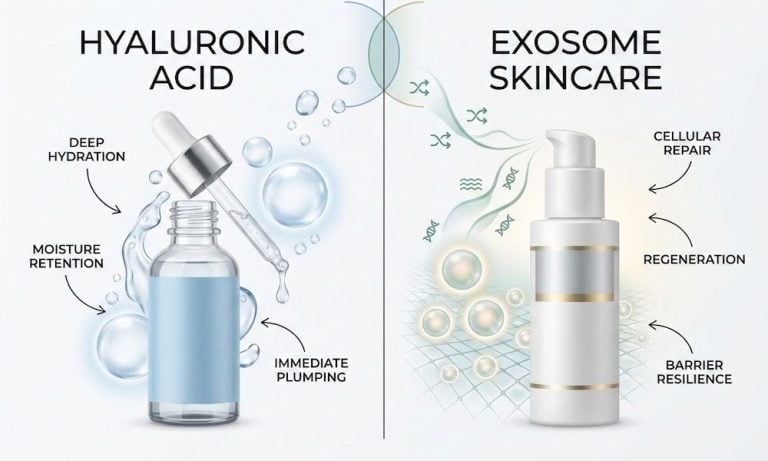
- Exosomes and vitamin C support skin health in different ways: vitamin C focuses on antioxidant protection, brightening and collagen support, while exosome skincare focuses more on repair, hydration and barrier resilience.
- Vitamin C has a stronger and longer-established evidence base, especially for pigmentation, photoageing, antioxidant defence and collagen synthesis.
- Exosome skincare may be more suitable for stressed, sensitive or post-procedure skin when the priority is recovery, hydration and barrier support.
- Neither ingredient is universally better. The better choice depends on whether the main goal is correction and protection or recovery and skin resilience.
- Exosomes and vitamin C can be used in the same skincare plan because they work through different pathways and may complement one another.
- A personalised routine can help determine when and how to use each ingredient, especially if the skin is sensitive, undergoing treatment, or already using other active skincare products.
Introduction
Exosome skincare is newer and still building its clinical evidence base. Vitamin C has decades of research behind it. The more useful question is not which one wins; it is whether they are even competing.
Here is what the science currently says, and how to think about both ingredients based on your skin goals.
Exosomes vs Vitamin C: An Overview
What Does Exosome Skincare Do?
Exosome skincare works through cellular communication. Exosomes are nanoscale extracellular vesicles naturally secreted by cells, carrying proteins, lipids and genetic material that instruct recipient cells on how to respond.
Exosome skincare benefits include supporting skin repair, improving hydration, strengthening the skin barrier, and enhancing overall skin quality. Rather than accelerating cell turnover the way retinoids do, exosome skincare focuses on helping compromised or stressed skin recover and function more effectively.
At Clique Clinic, exosome treatments are often incorporated alongside procedures such as microneedling and RF microneedling, in which the skin’s recovery phase is a crucial part of the results. The goal is not just the treatment; it is ensuring the skin heals well.
What Does Vitamin C Do for the Skin?
Vitamin C benefits for skin are among the most thoroughly researched in cosmetic dermatology. As L-ascorbic acid, it is the skin’s primary water-soluble antioxidant, neutralising free radicals generated by UV radiation and environmental pollution before they trigger structural damage.
Beyond antioxidant protection, vitamin C is essential for collagen biosynthesis and for supporting the structural integrity of new collagen fibres. For clients managing sun damage or skin dullness, both common concerns in Malaysia’s climate, vitamin C remains one of the most clinically supported topical actives available for brightening dull skin and improving the appearance of uneven pigmentation.

Exosomes vs Vitamin C: What’s the Difference?
The exosome vs vitamin C comparison matters most when choosing where to direct your skincare budget and attention. These two ingredients are not interchangeable. They work on entirely different aspects of skin health.
| Comparison | Exosome Skincare | Vitamin C |
|---|---|---|
| Primary role | Supports repair and regeneration | Antioxidant protection and brightening |
| Main benefits | Skin barrier recovery, hydration, resilience | Brightness, pigmentation, environmental defence |
| Collagen support | Supports cellular signalling involved in collagen production | Supports collagen synthesis as an antioxidant cofactor |
| Best suited for | Sensitive, stressed or compromised skin | Dull skin, uneven tone and sun damage |
| Irritation potential | Generally positioned as gentler (depends on formulation) | May irritate sensitive skin at higher concentrations or lower pH |
| Evidence base | Emerging, product-dependent | Extensive and well established |
In conclusion, neither is superior in all situations. The better choice depends entirely on what your skin needs right now.
Exosomes vs Vitamin C for Different Skin Concerns
Which Is Better for Pigmentation?
Vitamin C for pigmentation has the stronger clinical track record. It works by inhibiting tyrosinase, reducing melanin synthesis, and neutralising the oxidative signals that trigger melanogenesis. Systematic reviews confirm its efficacy in both photoaging-related pigmentation and melasma.
Exosomes for pigmentation are a more indirect story. Research suggests that stem cell-derived exosomes may support overall skin quality, reduce oxidative stress, and improve skin tone as part of a broader regenerative effect, but targeted depigmentation is not their primary mechanism.
For persistent pigmentation, a combination approach tends to work best. At Clique Clinic, melasma treatments often combine lasers and skin boosters, with topical actives such as vitamin C playing a supporting role in the maintenance phase. Exosomes may contribute to recovery and barrier resilience during and after treatment.
Which Is Better for Collagen and Ageing?
Both ingredients contribute to collagen support, but through very different pathways.
Vitamin C for collagen works at a biochemical level: it is a required cofactor for the hydroxylation of proline and lysine residues, the step that allows procollagen to form stable, mature collagen fibres. Without adequate vitamin C, newly synthesised collagen is structurally compromised. Research consistently shows it promotes collagen growth and reduces photoaging-related collagen degradation.
Exosomes for collagen operate upstream, at the level of cellular signalling. Studies show that exosomes can signal skin cells to produce more collagen and slow down the breakdown of existing collagen, helping skin stay firmer for longer. Used together, they may address collagen support from two ends of the same process. At Clique Clinic, RF microneedling paired with skin booster or exosome protocols is designed around exactly this logic.
Which Is Better for Sensitive Skin?
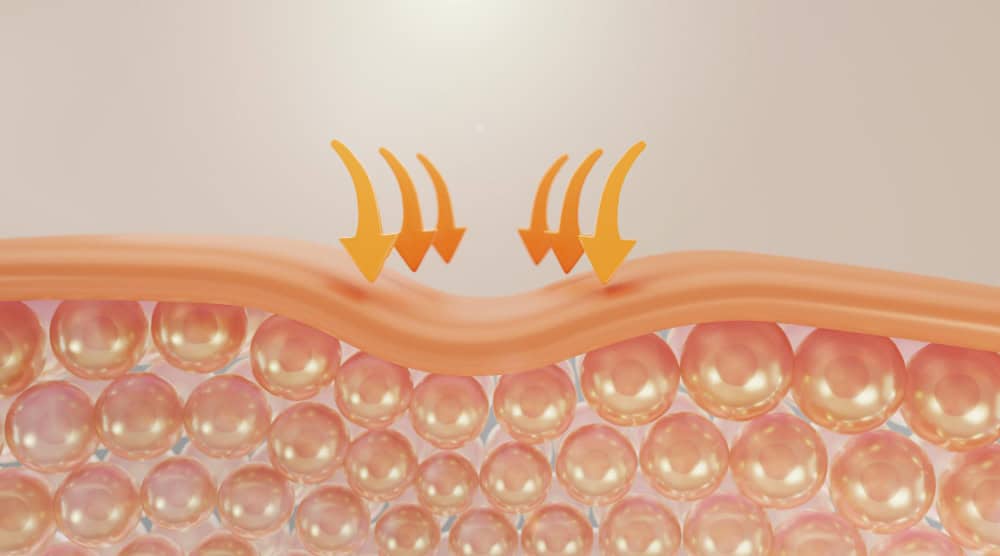
Vitamin C for sensitive skin requires careful consideration. L-ascorbic acid at concentrations above 15% and at the low pH required for skin penetration can cause stinging, flushing, and irritation, particularly for those with a compromised barrier or inflammatory conditions. In such cases, Vitamin C derivatives such as ascorbyl glucoside are gentler but less potent.
Exosomes for sensitive skin are generally better tolerated. Research on exosome-based formulations points to anti-inflammatory properties, improved barrier lipid synthesis, and a reduction in skin irritation and redness, making them a logical option when the priority is calming and rebuilding rather than active correction.
Formulation quality matters for both. Concentration, pH, stability, and delivery vehicles all influence how either ingredient performs and how the skin responds.
Which Is Better After Aesthetic Treatments?
Timing is everything in the post-procedure window. Exosome skincare or professional exosome treatments may be incorporated earlier in the recovery phase, where the skin is inflamed and barrier-compromised, and where supporting cellular repair is the priority.
Vitamin C is usually introduced once the skin has recovered sufficiently, as high concentrations can irritate healing tissue. The exact timeline depends on the procedure because laser, microneedling and injectables each have different recovery periods.
Always follow your treating doctor’s guidance before reintroducing actives. Our Clique Clinic doctors can advise on post-treatment skincare as part of every procedure protocol.
Is Exosome Better Than Vitamin C?
Is exosome better than vitamin C?
The short answer is no.
Vitamin C remains a proven antioxidant for brightening and protecting the skin, with an evidence base built over decades. Exosome-based skincare offers a supportive, repair-focused option for individuals prioritising skin barrier health, recovery and overall skin quality. These are different goals, and often, the same person has both.
The better choice depends on the individual’s skin concerns and goals at a given point in time. Someone dealing with active pigmentation and sun damage likely needs vitamin C. Someone recovering from a procedure or managing barrier-sensitive skin may benefit more from exosome-focused care. Many will need both, at different stages of their routine.
Can You Use Exosomes and Vitamin C Together?
Yes.
Exosomes and vitamin C together target different aspects of skin health and are not competing skincare actives. Vitamin C works on oxidative defence and brightening, while exosome skincare focuses on cellular repair, hydration, and resilience. Together, they may provide a more balanced routine than relying on either ingredient alone.
How to Choose Between Exosome Skincare and Vitamin C?
Start with what your skin actually needs right now.
- Choose vitamin C if your main concerns are dullness, uneven skin tone, pigmentation, or you want protection against environmental damage.
- Choose exosome skincare if your skin feels stressed, reactive, dehydrated or needs support and recovery.
- Many individuals benefit from incorporating both into the same routine, at different steps or times of day.
- Product quality and formulation are important for both ingredients. Stability, concentration, and delivery methods all determine how well either one actually works.
Why Professional Product Selection Matters
Not all exosome products or vitamin C formulations are created equally. For vitamin C, stability is a significant challenge, as L-ascorbic acid oxidises rapidly, and oxidised serum is not only ineffective but may also irritate the skin. For exosome products, the source, concentration, and delivery mechanism vary widely between brands.
A personalised consultation cuts through the noise. It takes into account your skin type, current concerns, any active treatments, and your tolerance, so the ingredients you invest in are the right ones for your specific goals.
Final Thoughts
Exosomes and vitamin C are not rivals. They work differently and, when used appropriately, they complement one another.
- Vitamin C remains one of the best-established ingredients for antioxidant protection, collagen support and brighter skin.
- Exosome skincare focuses on supporting repair, hydration, barrier health, and overall skin quality.
- Rather than replacing vitamin C, exosome skincare may strengthen the skin’s ability to recover and maintain its results.
- Choosing the right ingredient, or combination, depends on your skin concerns, tolerance, and long-term skincare goals.
So whether you are managing pigmentation, recovering from a treatment, or simply trying to build a routine that actually helps your skin, drop by Clique Clinic for a personalised skin consultation.
Come discover the clinic’s exosome-based skincare range, designed to complement existing skincare routines while supporting healthier, more resilient skin. WhatsApp us to learn more.