
Exosome Therapy vs Exosome Skincare: Serums, Masks & Creams
Key Takeaways
- Exosome therapy is professionally delivered and more intensive, while exosome skincare provides ongoing topical support as part of a home routine.
- Exosome serums are lightweight and suited to regular use for supporting hydration, skin recovery, resilience, and overall skin quality.
- Exosome creams focus more on moisture retention and barrier support, making them particularly relevant for dry, sensitised, or compromised skin.
- Exosome masks provide occasional hydration and soothing support rather than replacing a consistent daily skincare routine.
- Exosome skincare does not necessarily replace exosome therapy. Professional treatment may be more suitable for targeted rejuvenation, persistent concerns, or post-procedure recovery.
- Exosome therapy and skincare can be used together: professional treatment can provide more intensive support, while home skincare helps maintain hydration, barrier health, and overall skin quality between sessions.
Introduction
Exosomes are no longer limited to aesthetic treatments. They are increasingly appearing in serums, masks, creams, and other skincare products designed for home use.
That naturally raises a question: if you can apply exosome skincare every day, do you still need professional exosome therapy?
Not necessarily, but the two are not interchangeable.
Exosome therapy is designed as a more targeted, professionally delivered approach to skin repair and rejuvenation. Exosome skincare works more gradually, supporting hydration, barrier health, recovery, and overall skin quality through consistent use.
Understanding the difference can help you decide whether your skin needs everyday maintenance, more intensive support, or a combination of both.

What Is the Difference Between Exosome Therapy and Exosome Skincare?
The biggest difference between exosome therapy and exosome skincare is how the exosome formulation reaches the skin and what it is intended to achieve.
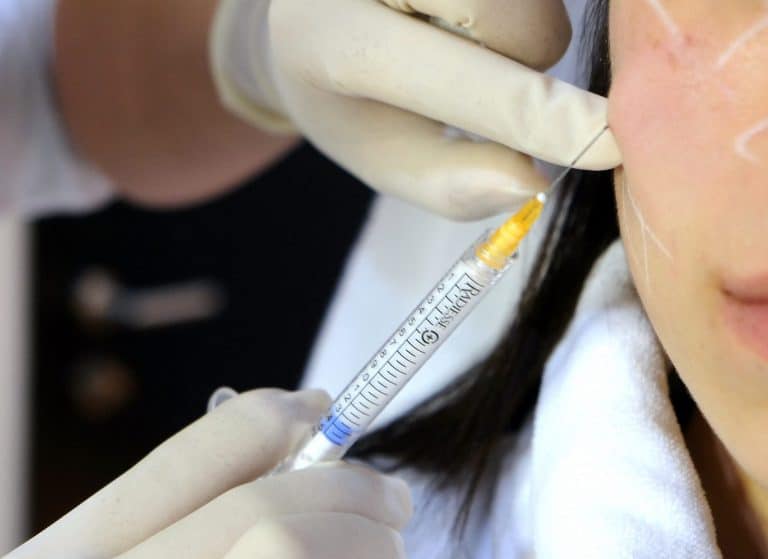
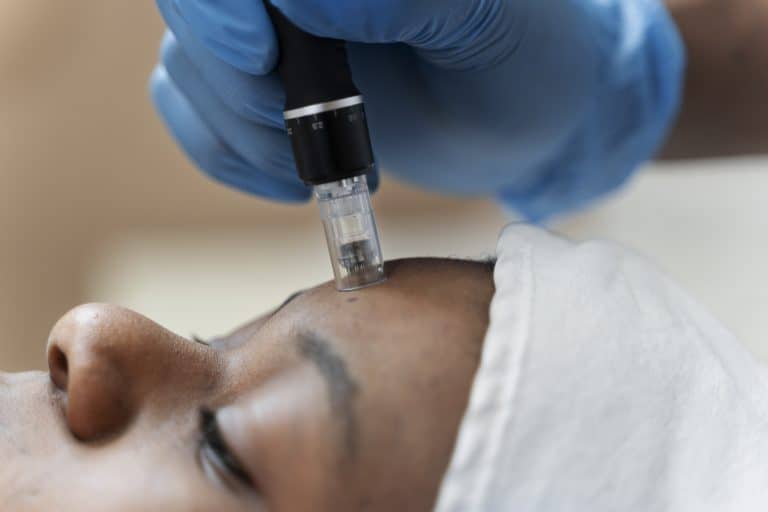
Professional exosome therapy may combine exosomes with delivery approaches such as microneedling or other aesthetic procedures to support more targeted delivery into the skin.
Exosome skincare, meanwhile, is applied topically through serums, creams, and masks, making it more suitable for regular at-home skin support and maintenance.
In simple terms, exosome therapy provides a more intensive professional approach, while exosome skincare focuses on consistent home maintenance and barrier support.
How Does Exosome Therapy Work?
Exosome therapy uses exosome-based formulations as part of a professionally guided skin treatment.
Exosomes act as biological messengers, carrying signals that may support processes linked to skin repair, regeneration, collagen activity, and recovery.
Depending on the treatment plan, exosome therapy may be combined with procedures such as microneedling, lasers, or other delivery methods designed to improve how active ingredients reach the skin.
This makes therapy more relevant when the goal is to support:
- Visible signs of ageing
- Uneven texture
- Post-procedure recovery
- Reduced skin resilience
- Overall skin rejuvenation
Also read: Exosome Treatment: Benefits & Differences From Other Treatments.
How Do Exosome Serums, Masks, and Creams Work Differently?
Not all exosome skincare serves the same purpose. Texture, formulation, and supporting ingredients influence how each format fits into a routine.
Exosome serums
Serums are usually lightweight, fast-absorbing, and easy to layer under moisturiser or sunscreen. Exosome serums are well suited to regular use when the goal is to support hydration, recovery, resilience, and overall skin quality without making the routine feel heavy.
Their lighter texture can also make them a practical option for oily, combination, or congestion-prone skin.
Exosome creams
Exosome creams provide a richer layer of hydration and barrier support. They may be more suitable for dry, sensitised, or compromised skin that needs help retaining moisture while recovering.
Because of their more occlusive texture, creams can be especially useful at night or during periods of dryness, irritation, or barrier weakness.
Exosome masks
Masks provide a more occasional, short-term boost.
They may help when the skin feels dry, stressed, or in need of extra soothing, but they should not be treated as a replacement for a consistent daily routine.
Think of them as an additional support step rather than the foundation of exosome skincare.
Which Is Better for Different Skin Concerns?
This is where the difference becomes more practical. The right option depends less on which is “stronger” and more on what the skin actually needs.
For dry, sensitive or stressed skin
Exosome skincare may be enough when the main goal is daily hydration, barrier support, and resilience.
A serum or cream can be used consistently, while a mask may provide extra support when the skin feels particularly stressed. If sensitivity persists, professional assessment may help identify whether more targeted support is needed.
For fine lines and overall skin quality
Professional therapy may make more sense when the goal is a structured rejuvenation programme rather than maintenance alone.
Home skincare can then support hydration and overall skin quality between treatments. This may be especially useful when concerns such as uneven texture, dullness, or reduced firmness become more noticeable.
For post-procedure recovery
This is where professional guidance matters most.
Exosome therapy may be included as part of a broader recovery plan, while home skincare can help support comfort, hydration, and barrier function once the skin is ready.
Also read: Exosomes in Skincare: How They Work & Benefits For Skin.

For general skin maintenance
If your skin is relatively healthy and your goal is simply to keep it hydrated, resilient, and looking its best, a consistent home routine may be enough. Exosome skincare can be a supportive addition for maintaining overall skin quality over time.
Can Exosome Skincare Replace Exosome Therapy?
Not always.
Exosome skincare can support daily repair, hydration, and barrier health, but it does not provide the same treatment intensity or delivery environment as professional therapy.
If your goal is general maintenance or mild support, topical skincare may be sufficient.
If you are dealing with more persistent concerns, post-procedure recovery, visible ageing, or want a more targeted rejuvenation approach, professional therapy may be more appropriate.
The more useful question is:
Does your skin need maintenance, recovery, or a more intensive intervention?
Can Exosome Therapy and Exosome Skincare Be Used Together?
Yes—and this is often where they make the most sense.
Professional therapy can provide the more intensive part of the plan, while home skincare helps support hydration, barrier health, and overall skin quality between sessions.
The key is timing.
Recently treated skin may be more sensitive, so retinol, acids, vitamin C, or other strong active ingredients may need to be paused temporarily.
Follow appropriate aftercare guidance before returning to your full skincare routine.
Also read: PDRN vs Exosomes: What They Do and How They Compare.
Exosome Therapy vs Exosome Skincare: Which Option Should You Choose?
Skincare or therapy? The answer depends on whether your skin needs maintenance, recovery, or more targeted support.
Let’s look at how exosome skincare and therapy compare for different skin goals.
| Main Goal | Option to Consider |
|---|---|
| Daily hydration and barrier support | Exosome serum or cream |
| Occasional soothing | Exosome mask |
| General skin maintenance | Exosome skincare |
| More intensive skin recovery | Professional exosome therapy |
| Post-procedure support | Professionally guided approach |
| Long-term skin quality | Combination approach may be considered |
For many people, the answer is not one or the other.
Skincare gives you consistency. Therapy gives you intensity.
Conclusion
Exosome therapy and exosome skincare may sound similar, but they play very different roles.
Serums, creams, and masks are better suited to regular home maintenance, hydration, and barrier support. Professional exosome therapy is more appropriate when the goal is deeper recovery, post-procedure support, or a more intensive rejuvenation plan.
For some people, the strongest approach may be to use both: professional treatment when the skin needs more targeted support, followed by consistent home care to maintain progress.
At Clique Clinic, a personalised skin assessment can help determine whether exosome therapy, exosome skincare, or a combination of both is more suitable for your skin concerns, current routine, and treatment goals.
Book a consultation to build a plan that matches your skin’s current needs and long-term goals.