
PDRN vs Exosomes: What They Do and How They Compare
Key takeaways:
- PDRN and exosomes are regenerative treatments that improve skin repair, healing, and overall skin quality through different mechanisms.
- PDRN focuses on tissue repair and anti-inflammatory pathways, making it suitable for sensitive, damaged, or post-procedure skin.
- Exosomes enhance cellular communication and regeneration, supporting collagen production and faster visible improvements.
- PDRN delivers gradual, steady results, while exosomes may provide faster skin rejuvenation effects.
- Both treatments can be combined in a structured plan for complementary benefits under medical guidance.
- At Clique Clinic, treatment approaches are personalised to match individual skin concerns, tolerance, and long-term goals.
Introduction
Advanced regenerative skin treatments like PDRN and exosomes are surging in popularity. This is largely due to their ability to enhance skin repair and improve overall skin quality.
As of 2026, the global skin booster market continues to expand rapidly, with projections exceeding USD 3 billion by 2032. This growth is driven by increasing demand for minimally invasive, non-surgical aesthetic treatments, reflecting a broader shift towards regenerative solutions such as PDRN and exosomes.
While PDRN and exosomes may appear similar in their regenerative goals, they work through distinct pathways. Derived from salmon DNA fragments, PDRN primarily stimulates fibroblast activity, boosts collagen production, promotes angiogenesis, and reduces inflammation.
In contrast, exosomes function as cellular messengers. They primarily work to facilitate intercellular communication, antioxidant defence, and strong anti-ageing effects.
This article explores these differences in greater detail, comparing PDRN’s focus on direct tissue repair with exosomes’ role in cellular signalling, helping guide informed decisions for optimal skin outcomes.
PDRN vs Exosomes: An Overview
PDRN and exosomes are both regenerative treatments that support skin repair. However, they differ in their source and mechanisms.
What Is PDRN?
Polydeoxyribonucleotide (PDRN) is a regenerative compound extracted from purified salmon DNA fragments. It is typically sourced from salmon sperm for its high biocompatibility with human skin.
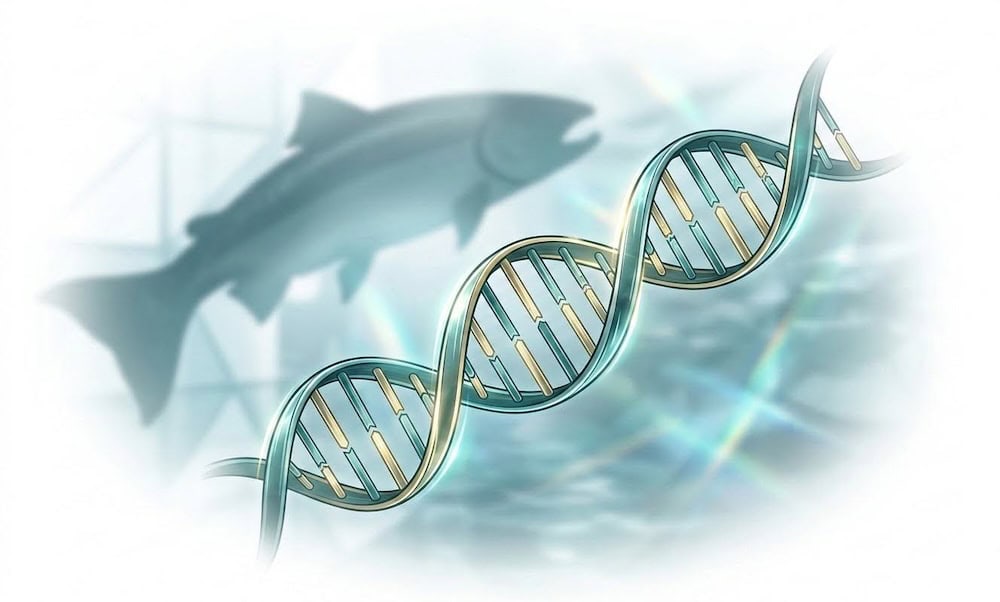
In practice, these low-molecular-weight DNA chains mimic cellular building blocks, thereby allowing safe use in aesthetic treatments without triggering immune responses.
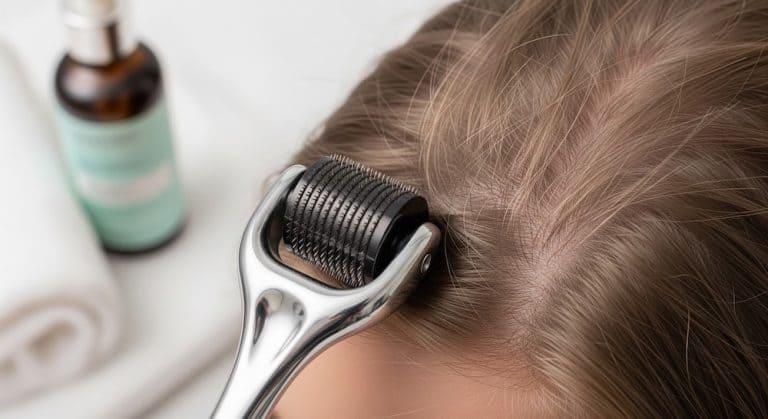
Commonly utilised in treatments like microneedling or post-laser care, PDRN supports tissue regeneration and improves skin recovery. It achieves this by enhancing hydration, elasticity, and barrier repair.
How Does PDRN Work on the Skin?
PDRN supports tissue regeneration by activating A2A adenosine receptors. These receptors stimulate fibroblast proliferation, collagen synthesis, and anti-inflammatory pathways, thus accelerating wound healing and skin recovery after injury or skin stress.
As a result, PDRN skin treatments are particularly effective for damaged, sensitive, or post-procedure skin.
Also read: PDRN vs Retinol: Two Approaches to Skin Repair & Regeneration
What Are Exosomes in Skincare?
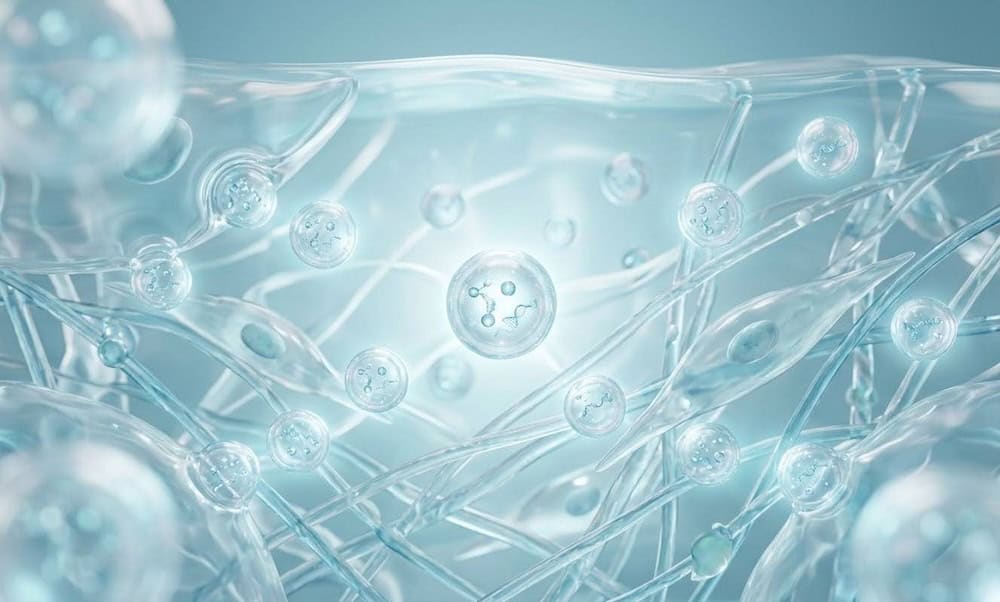
Exosomes in skincare are tiny extracellular vesicles released by cells such as stem cells or fibroblasts. Typically measuring 30-150 nanometers, they facilitate intercellular communication.
They carry bioactive components including growth factors, proteins, lipids, mRNA, and miRNA, to recipient cells. These elements consequently work to modulate gene expression, promote repair, and enhance skin regeneration.
How Do Exosomes Work on the Skin?
Exosomes deliver targeted signals that stimulate regeneration through their cargo of growth factors, cytokines, and genetic material. Recipient cells absorb this cargo, activating repair pathways.
They also support collagen production by stimulating fibroblast activity and extracellular matrix synthesis, thus leading to firmer, smoother skin texture over time. Additionally, exosomes help reduce inflammation through anti-inflammatory signalling.
Also read: Exosomes in skincare: How they work, & benefits for skin
What Is the Difference Between PDRN and Exosomes?
PDRN and exosomes differ in several key ways. Here’s how they compare:
| Feature | PDRN | Exosomes |
|---|---|---|
| Source | Salmon DNA fragments | Cell-derived vesicles |
| Mechanism | Tissue repair & regeneration | Cell signalling & communication |
| Main function | Healing and restoration | Stimulation and regeneration |
| Best for | Damaged, sensitive skin | Overall skin rejuvenation |
| Speed of results | Gradual | Often, faster visible improvement |
| Skin type suitability | Sensitive, compromised skin | Ageing, dull, or damaged skin |
PDRN vs Exosomes for Wrinkles
Both help reduce wrinkles, but in different ways. Exosomes tend to deliver faster visible improvements by enhancing cellular signalling and stimulating collagen production more rapidly.
PDRN works more gradually by supporting skin tissue repair and improving elasticity through fibroblast activation. While results take longer, they contribute to steady and sustained improvements over time.
Also read: How to Remove Forehead Wrinkles and Lines, According to Science
PDRN vs Exosomes for Acne and Skin Healing
PDRN is effective for repairing acne-damaged skin and reducing inflammation through A2A receptor-mediated healing. It is particularly suitable for active or sensitive skin.
In contrast, exosomes accelerate skin recovery and regeneration by delivering growth factors that support faster scar remodelling and regeneration.
Both treatments improve post-acne marks and texture. However, one’s choice between the two should depend on the severity and sensitivity of their acne.
Also read: Acne Scar Treatments in Malaysia: Complete Guide 2025.
PDRN vs Exosomes for Skin Sensitivity and Barrier Repair
PDRN is generally preferred for sensitive or irritated skin due to its gentle, reparative effects and ability to strengthen the skin barrier.
Exosomes also support repair but tend to have a more stimulatory effect. They may be more suitable for resilient skin or when the goal is enhanced regeneration and vitality.
Can PDRN and Exosomes Be Used Together?
Yes, both treatments can be used together under professional guidance for complementary results.
PDRN focuses on repair and healing, while exosomes enhance regeneration and signalling. In practice, treatments may be staged. For example, PDRN first to restore the skin, followed by exosomes to enhance results.
A structured treatment plan is recommended to optimise outcomes.
Which Is Better: PDRN or Exosomes?
There is no single “better” option, as both treatments offer complementary benefits. The choice depends on individual skin condition, goals, and treatment strategy.
Choose PDRN if:
- Your skin is damaged or irritated
- You have a weak skin barrier
- Your skin is very sensitive
- You want gentle healing
Pick Exosomes Therapy if:
- You are targeting anti-ageing concerns
- Your skin is dull or tired
- You want faster visible changes
- Your skin needs overall rejuvenation
Final Thoughts
PDRN and exosomes represent two advanced approaches to regenerative skincare. Both are supported by growing clinical evidence and offer meaningful improvements in skin quality.
PDRN focuses on restoring damaged skin through direct tissue regeneration and anti-inflammatory pathways.
Exosomes enhance cellular communication by delivering growth factors that support regeneration and repair.
Both can appreciably improve skin quality when used appropriately based on individual needs. So, one’s choice between the two should depend on skin type, sensitivity, and goals.
Ready to explore the right treatment for your skin concerns? Book a consultation with our doctors at Clique Clinic for a personalised treatment plan.