
Derma Roller for Hair Loss Treatment: Would It Work?
Key takeaways:
- Derma rolling is an at-home microneedling method that stimulates the scalp to support healthier hair growth conditions.
- It can help improve hair thickness and scalp health, but it does not create new follicles or cure hair loss.
- Results depend on the type and stage of hair loss, with early thinning typically responding better than advanced baldness.
- Studies suggest better outcomes when derma rolling is combined with topical treatments like minoxidil, rather than used alone.
- Common benefits include improved scalp circulation and enhanced absorption of topical hair growth products.
- Side effects may include redness, irritation, or infection if hygiene and technique are poor.
- Clique Clinic offers professional microneedling-based hair treatments and personalised guidance for safe and effective hair loss management.
Introduction
Derma rolling is a scalp microneedling technique that has become increasingly popular in hair regrowth routines. Often used at home, it involves rolling a small device covered in tiny needles across the scalp to stimulate the skin and encourage healthier hair growth conditions.
Unlike medications that target hormonal causes of hair loss, derma rolling works by mechanically stimulating the scalp. This process can help improve circulation and activate the body’s natural healing response, which may support hair follicle activity over time.
However, understanding how derma rolling works — and when it is most effective — is essential for setting realistic expectations and avoiding unnecessary scalp irritation or ineffective results.
Does Derma Rolling Actually Help with Hair Regrowth?
Yes, derma rolling can support hair regrowth, but with limitations.
It does not create new hair follicles or cure hair loss. Instead, it works by stimulating the scalp environment and encouraging healthier follicle function.
Results also depend heavily on the type and stage of hair loss. Individuals with early thinning often respond better compared to those with advanced baldness, where follicles may already be inactive.
For best results, derma rolling is usually most effective when combined with other treatments rather than used as a standalone method. In fact, as of 2026, studies suggest that combining a derma roller with 5% minoxidil resulted in an average 35% improvement in hair density after six months, compared to only around 15% with minoxidil alone.
Consistency is also key, as irregular use typically leads to minimal improvement.
Derma Roller vs Professional Microneedling for Hair Loss
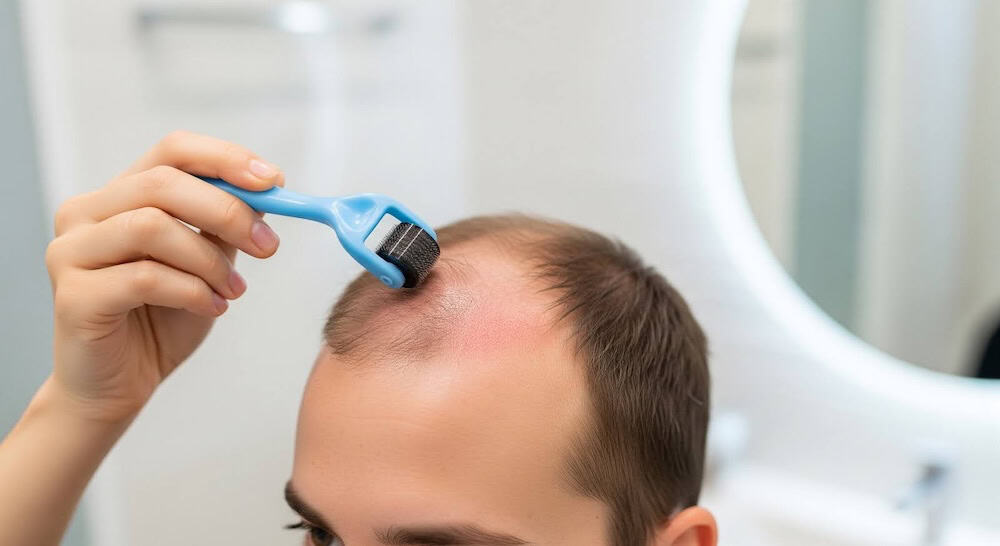
Derma rollers are designed for superficial, at-home use and typically offer limited depth penetration. While they can provide mild stimulation, they often lack precision and consistency, especially when used on areas with uneven scalp texture.
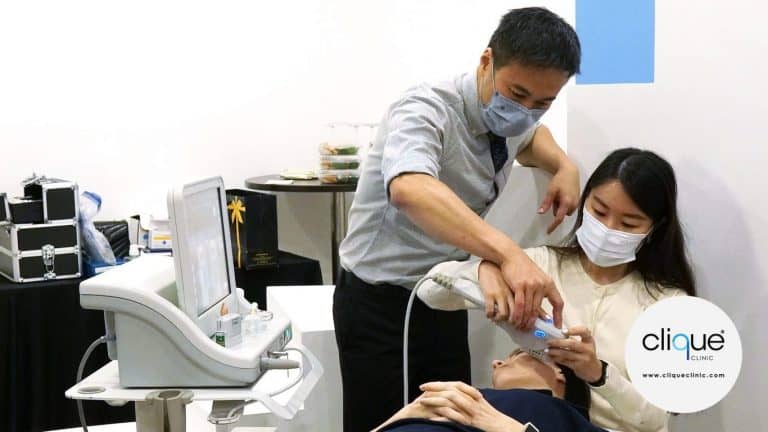
Professional microneedling, on the other hand, allows for controlled depth and more accurate treatment. In-clinic devices are designed to penetrate the scalp safely and evenly, making the procedure more effective for deeper stimulation and hair follicle activation.
Because professional treatments are performed in a sterile environment with medical supervision, they are generally safer and reduce the risk of complications such as infection or unnecessary inflammation.
Also read: TargetCool Ice Needling™ at Clique Clinic.
Derma Roller for Hair Benefits
Derma rolling can offer several supportive benefits when used correctly and consistently, including:
- Improves blood circulation to the scalp, which may support healthier follicle function and nutrient delivery.
- Stimulates growth factors that support existing hair follicles, helping encourage a more active hair growth cycle.
- Enhances absorption of topical hair growth products, allowing ingredients like minoxidil or growth serums to penetrate more effectively.
- May improve hair thickness and overall scalp health over time, especially in individuals with early-stage thinning.
Using a Derma Roller with Other Hair Loss Treatments
One of the main reasons derma rolling is used in hair regrowth routines is its ability to enhance the absorption of topical products. By creating micro-channels in the scalp, the skin may temporarily become more receptive to active ingredients.
Derma rolling is commonly combined with treatments such as minoxidil or Redensyl, as this combination may improve overall results when used consistently.
However, it’s important to understand that derma rolling does not replace hormonal or prescription hair loss treatments. For androgenetic alopecia, medical treatments are often necessary to address the root cause of thinning.
How to Use a Derma Roller for Hair Regrowth?
To use a derma roller correctly, begin with a clean scalp and a properly sanitised device. Roll the derma roller gently across the thinning areas in multiple directions — vertically, horizontally, and diagonally — without applying excessive pressure.
The goal is to create mild stimulation, not cause pain or bleeding. After treatment, avoid harsh hair products and ensure the scalp remains clean to reduce irritation.
How Often Should I Use a Derma Roller for Hair?
How often you should use a derma roller depends on the needle size and your scalp sensitivity. In general, smaller needle sizes may be used more frequently, while larger needle sizes require more recovery time between sessions.
Overuse can lead to irritation and inflammation, which may worsen shedding or disrupt scalp health. For this reason, spacing treatments appropriately is essential for safe and effective results.
Derma Roller for Hair Side Effects
Derma rolling is generally safe when used correctly, but side effects can occur, especially with improper technique or poor hygiene. Common side effects include:
- Temporary redness or scalp sensitivity after use
- Mild irritation if used too frequently or incorrectly
- Increased infection risk if the roller is not cleaned properly or used on damaged skin
In most cases, these side effects are mild and temporary. However, excessive inflammation can interfere with healthy hair growth, making correct use and proper aftercare essential.
How Long Does It Take to See Results from Derma Rolling?
Derma rolling does not produce immediate hair growth. While some people notice improved scalp texture or reduced oiliness within a few weeks, visible hair changes take longer.
For many individuals, noticeable improvements in hair thickness require several months of consistent use, as hair follicles need time to cycle through their natural growth phases.
To maintain progress, derma rolling must be performed regularly over the long term. Stopping too early may result in minimal visible benefit.
Is Derma Rolling a Long-Term Solution for Hair Loss?
Derma rolling can be a useful long-term supportive technique for hair loss, but it is not a permanent solution on its own. Since it does not address the hormonal or genetic triggers behind hair thinning, ongoing maintenance is usually needed to sustain results.
If derma rolling is stopped, hair thinning may gradually return over time, depending on the underlying cause.
Derma rolling tends to deliver the best outcome when included as part of a combination hair loss plan that improves scalp health while also targeting the root cause of thinning.
Conclusion
Derma rolling can be an effective supportive technique for improving scalp health and encouraging hair regrowth, but it should not be viewed as a standalone cure for hair loss. Its benefits are usually more noticeable when combined with other evidence-based treatments and followed consistently over time.
Incorrect technique and poor hygiene can increase the risk of irritation and infection, which is why professional guidance is often recommended for safer and more reliable results.
At Clique Clinic, our doctors provide personalised hair loss assessments and expert guidance on microneedling-based treatment options tailored to your scalp condition and hair loss stage.
Book a consultation today to explore the most suitable approach for healthier, thicker hair.