
Vitamin C vs. Hydroquinone: Best Ingredients for PIH
Key Takeaways
- PIH is common in darker skin tones due to higher melanin production.
- Vitamin C is gentler, offers antioxidant protection, and is ideal for mild to moderate PIH.
- Hydroquinone is stronger, targeting deeper melanin, suited for severe PIH, but requires supervision.
- Combining Vitamin C and Hydroquinone enhances results and prevents new pigmentation.
- Pairing topicals with laser treatments like PicoSure can boost effectiveness and long-term outcomes.
- Always consult a dermatologist for a tailored, safe treatment plan.
Introduction
Post-Inflammatory Hyperpigmentation (PIH) is a prevalent skin discolouration disorder that arises following inflammation or injury. Marked by brown to black patches, it’s especially common amongst Malaysians with medium to darker skin tones. This is principally due to their higher melanin content.
Topical therapies are usually the first line of PIH defence because of their accessibility and safety profile. However, laser treatments have demonstrated more appreciable outcomes in addressing stubborn PIH.
This blog seeks to explore Hydroquinone and vitamin C, the two main topical ingredients for countering PIH. Particularly, it aims to illustrate their underlying mechanisms of actions, results, and ideal use cases.
What is PIH and Why Is It So Stubborn?
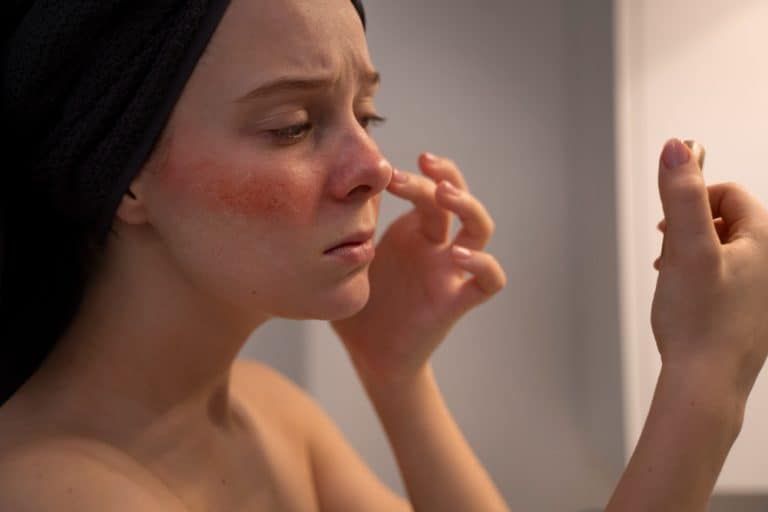
Post-Inflammatory Hyperpigmentation (PIH) is a cutaneous skin disorder characterised by dark patches that remain after skin inflammation (acne, eczema, injuries). This discolouration often depends on the individual’s natural skin tone and the severity of the inflammation.
Read: 7 Common Triggers of PIH: From Acne to Eczema
In practice, PIH’s root cause is the overproduction of melanin. When one’s skin is inflamed, it triggers melanocytes (melanin-producing cells) to increase pigment production, as part of the healing process. In medium to darker skin tones, this response manifests as visible and persistent dark spots.
Since excess pigment can settle deeper into the skin layers, early treatment of PIH is imperative. Fortunately, prompt application of the right topical medications may avert PIH spots from becoming more deeply ingrained.
What is Vitamin C serum for PIH, and how does it work?
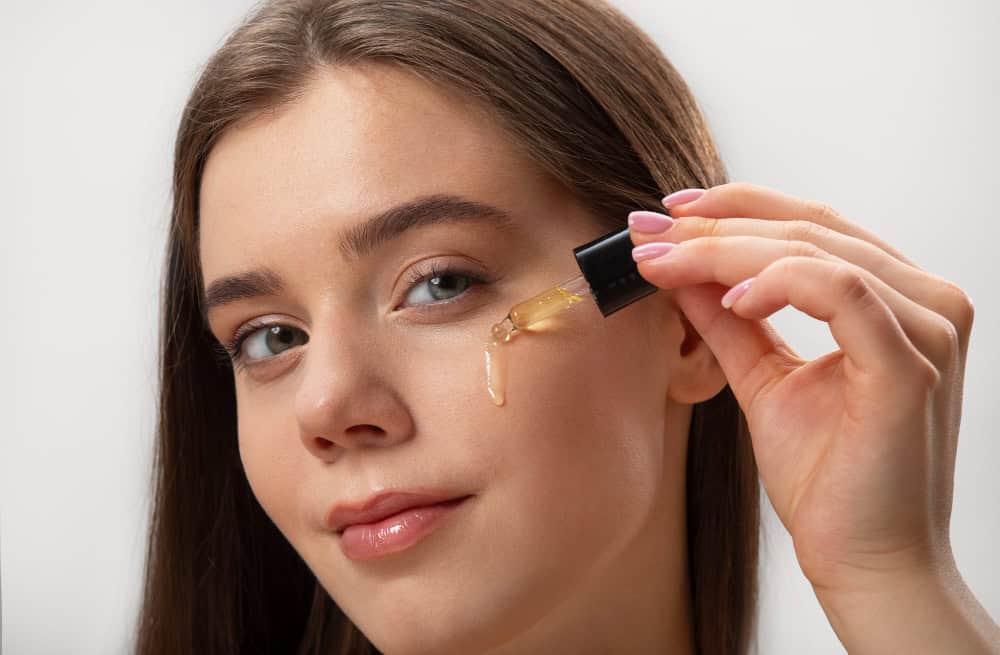
Vitamin C serum for PIH primarily works by inhibiting tyrosinase. Tyrosinase is the main enzyme responsible for melanin production.
Vitamin C also functions as a potent antioxidant, lowering oxidative stress triggered by free radicals (which can worsen pigmentation). Additionally, Vitamin C stimulates collagen synthesis and offers protection against UV damage, further inhibiting the development of new pigmentation.
Overall, Vitamin C serum is best-suited to treating mild to moderate PIH and serving as a preventive measure against new pigmentation. In fact, its most effective form is L-ascorbic acid at concentrations between 10% and 20%. These concentrations balance potency with skin tolerance.
However, unstable Vitamin C formulations can degrade quickly, reducing efficacy. Furthermore, Vitamin C may irritate very sensitive skin. As such, gradual introduction and patch testing are recommended.
What is Hydroquinone, and how does it reduce PIH?
Hydroquinone is widely regarded as the “gold standard” for treating stubborn hyperpigmentation in dermatology. It functions by preventing the conversion of tyrosine to melanin by inhibiting tyrosinase, an enzyme essential for melanin formation.
Beyond enzyme inhibition, Hydroquinone also causes selective damage to melanocytes and melanosomes. Thereby, disrupting melanin production at a deeper cellular level. As the skin naturally renews, the pigmented keratinocytes are shed and replaced with less pigmented cells. Thus, gradually lightening the affected areas.
Hydroquinone is usually available in concentrations of 2% over the counter and up to 4% by prescription. However, it has some drawbacks despite its efficacy. Beyond potential skin irritation, it may result in rebound pigmentation or exogenous ochronosis. These side effects may occur if it’s applied incorrectly or over extended periods.
As such, Hydroquinone is often not advised for long-term, continuous use without a doctor’s supervision.
Vitamin C vs. Hydroquinone: Which one is better?
Vitamin C is often recommended to treat mild to moderate PIH. This is principally because it’s gentler on the skin, offers antioxidant protection, and is safe for long-term use.
Furthermore, Vitamin C helps prevent new pigmentation as it inhibits melanin generation and increases collagen synthesis. Additionally, it’s appropriate for sensitive skin types.
In contrast, because of its deeper melanin suppression and action on melanocytes, Hydroquinone is usually more effective for severe or persistent PIH. However, it requires strict medical supervision to avert negative side effects.
In fact, it’s advised for short-term usage because it might cause irritation and rebound pigmentation, if administered improperly.
Nonetheless, many treatment plans combine Hydroquinone with vitamin C to leverage their complementary benefits. Regardless of the option you choose, wearing sunscreen daily is essential to halt additional pigmentation and safeguard treatment outcomes.
Should you combine these with laser treatment?
Yes, combining Vitamin C and Hydroquinone with laser treatment appreciably improves results in managing PIH. For example, PicoSure Lasers effectively break down excess melanin, while topical agents like Vitamin C and Hydroquinone inhibit melanin production.
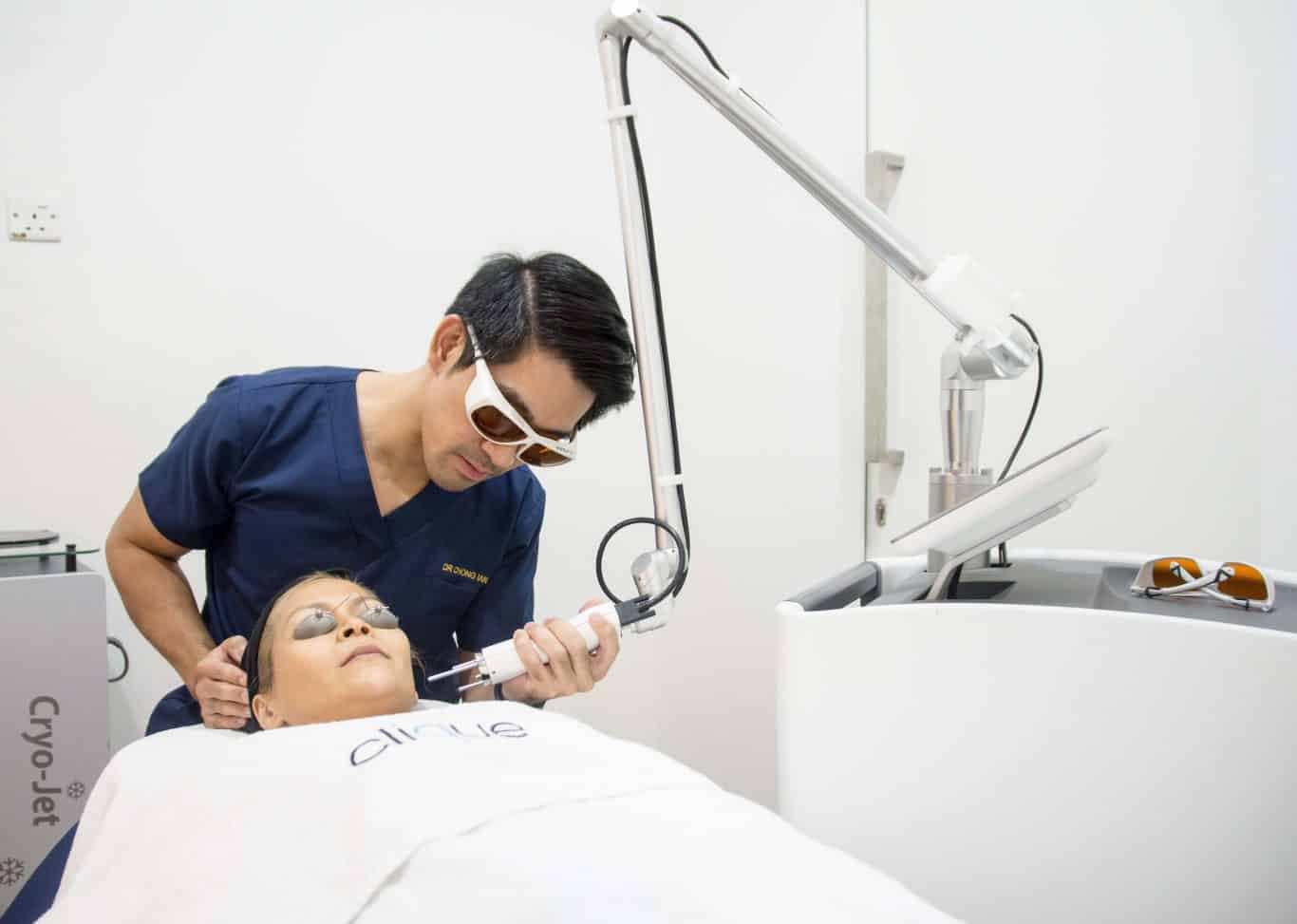
Overall, this combined approach significantly appreciably reduces the risk of PIH recurrence. In fact, Hydroquinone prepares the skin by reducing melanin synthesis before Pico Genesis laser sessions. Thereby, leading to better and longer-lasting outcomes.
Also read: Best Laser for PIH (Post-Inflammatory Hyperpigmentation): PicoSure & Beyond
Why choosing a professional aesthetic clinic matters?
To ensure optimal outcomes with no side effects, it’s imperative to choose a competent and established cosmetic clinic. For instance, Clique Clinic dermatologists perform extensive assessments of skin type and PIH severity before prescribing Hydroquinone.
This is because Hydroquinone, while highly effective, poses risks such as irritation and rebound pigmentation, if not used correctly.
Overall, Clique Clinic’s experienced clinicians create individualised treatment plans that optimise safety and efficacy by customising therapy combinations and dosages to meet your unique requirements.
Conclusion
Both hydroquinone and vitamin C are effective treatments for PIH, each offering unique benefits tailored to different skin needs.
Given its strong skin-lightening properties and quick results, Hydroquinone is a great treatment for persistent pigmentation. However, it must be used carefully because extended use may cause side effects like irritation.
Contrarily, vitamin C delivers a gentler approach to preventing melanin synthesis, compounded by its antioxidant properties. This makes it appropriate for long-term use and most skin types.
Overall, the best choice largely depends on one’s skin type, the severity of pigmentation, and their overall skincare goals.
If you’re unsure which treatment option suits your skin best, our experienced doctors at Clique Clinic can help. We offer professional assessment and personalised treatment plans expressly designed to safely and effectively target your diverse pigmentation concerns.