Love Handles: Causes, Why They’re Hard to Lose, and How to Reduce Them
Key takeaways:
- Love handles are pockets of fat that commonly accumulate around the waist and lower abdomen.
- Genetics, hormones, stress, sedentary lifestyles, and body fat distribution all influence how love handles develop.
- The waist is considered a stubborn fat area because fat mobilisation around this region is biologically more resistant.
- Spot reduction is largely ineffective, meaning isolated waist exercises alone usually do not directly remove love handles.
- Sustainable fat reduction typically requires a combination of nutrition, exercise, sleep, stress management, and consistency.
- Full-body workouts and strength training are generally more effective than targeting the waist area alone.
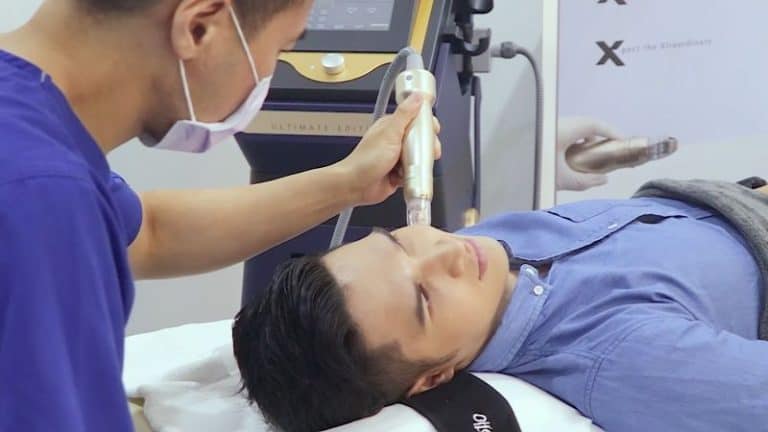
- Non-surgical body contouring and body sculpting treatments may help address stubborn waist fat that remains resistant to lifestyle changes.
- Clique Clinic offers personalised body contouring approaches designed to support realistic and sustainable body goals.
Introduction
Love handles are one of the most common body concerns people talk about, and also one of the most frustrating. They refer to the pockets of fat that sit around the sides of the waist and lower abdomen.
Some people notice them after weight gain, while others seem to develop them regardless of how active they are. And despite regular workouts or dieting, this area often feels especially stubborn to change.
The reality is that love handles are influenced by far more than just exercise alone. Genetics, bone structure, hormones, body fat distribution, lifestyle habits, and overall body composition all play a role in how and where the body stores fat.
Understanding what causes love handles helps create more realistic and sustainable approaches toward reducing them.
What Are Love Handles?
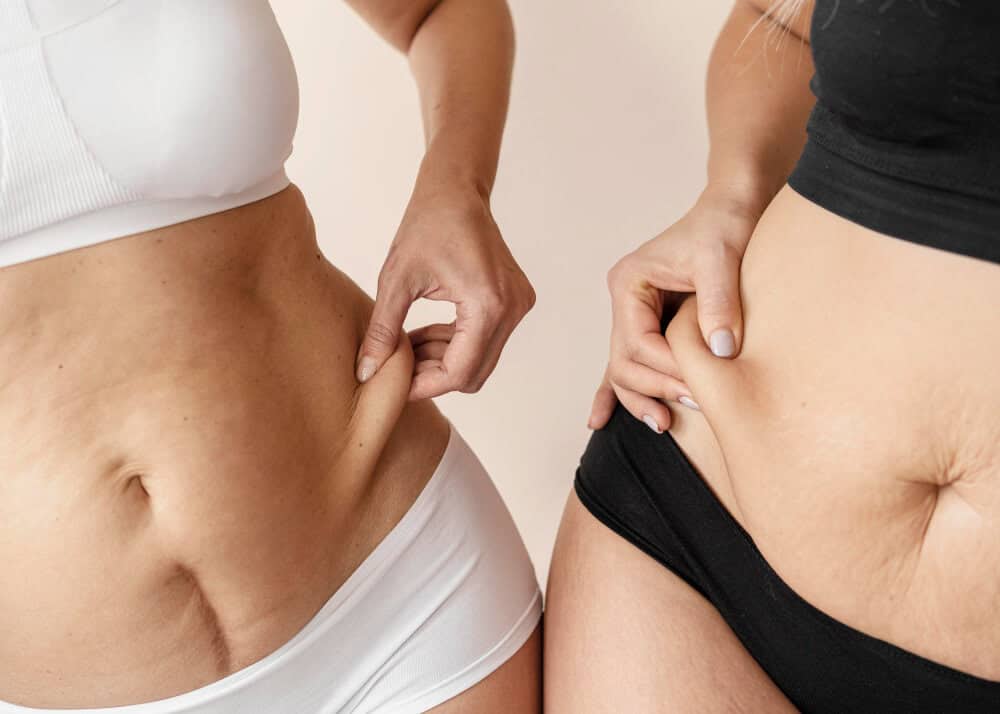
Love handles describe fat accumulation around the waistline and sides of the abdomen, often referred to as “side fat” or “waist fat”.
Although the term itself is non-medical, it is widely used in fitness and body contouring discussions because this area is commonly associated with stubborn fat storage.
What surprises many people is that love handles can appear even in individuals who are otherwise relatively healthy or active.
Some people naturally carry more fat around the waist because of genetics and body shape, while others may notice changes due to ageing, stress, hormonal shifts, or lifestyle habits.
This is why two individuals with similar body weights can still carry fat very differently.
What Causes Love Handles?
There is rarely one single cause behind love handles.
More often, they develop gradually through a combination of dietary habits, body composition, hormones, stress, and genetics.
Excess Calorie Intake
At the most basic level, consistently consuming more calories than the body burns may eventually lead to fat storage.
The waist area is one of the most common storage sites for excess body fat, particularly when calorie intake remains elevated over long periods of time.
That said, love handles rarely appear because of one “bad week” of eating. They are usually the result of longer-term lifestyle patterns slowly accumulating over months or years.
Sedentary Lifestyle
Modern life involves far more sitting and far less movement than many people realise.
Long hours spent working at a desk, commuting, or remaining inactive may contribute to increased fat accumulation and gradual muscle loss over time, both of which affect body composition.
As of 2026, research continues to show that prolonged sedentary behaviour is associated with higher accumulation of abdominal fat, including visceral fat stored deeper around internal organs.
Even individuals who exercise a few times a week may still struggle with waist fat if the majority of their day remains sedentary.
Hormones and Stress
Stress affects the body physically, not just mentally.
Chronic stress elevates cortisol, a hormone commonly associated with increased abdominal fat storage. Poor sleep, prolonged stress, and recovery issues may all influence how the body stores and retains fat over time.
Hormonal changes can also affect fat distribution differently between men and women, particularly during ageing, menopause, or metabolic shifts.
Genetics and Body Shape
Yes, genetics play a major role.
Some individuals are naturally more prone to storing fat around the waist due to inherited body shape and fat distribution patterns.
This is one reason why some people carry more weight around the hips and thighs, while others tend to accumulate fat more noticeably around the abdomen and sides.
Unfortunately, genetics cannot be “out-exercised” entirely, which is part of why love handles often feel so stubborn despite consistent effort.
Also read: Hip Dips: What They Are, Why They Happen, and How to Reduce Their Appearance.
Why Are Love Handles So Hard to Lose?
Love handles are often considered one of the body’s more stubborn fat areas, and there is actually a biological reason for that.
The fat around the waist is largely made up of subcutaneous fat, which sits just beneath the skin. This area tends to store excess energy relatively easily, but releases it more slowly during fat loss compared to other parts of the body.
Part of this comes down to receptor activity. Stubborn fat areas such as the waist contain higher concentrations of alpha-receptors, which make fat mobilisation more resistant during calorie deficits and exercise.
Genetics, hormones, age, stress levels, and overall body composition also influence where the body loses fat first and where it tends to hold on longer.
This is why many individuals notice changes in the face, arms, or legs before seeing visible reductions around the waistline.
And despite what social media sometimes suggests, the body cannot fully “spot reduce” fat from one specific area through exercise alone.
Can You Target Fat Loss Around the Waist?
Not very effectively.
Core exercises may strengthen and define the muscles underneath, but they do not directly remove fat specifically from the waist area.
This is one of the biggest misconceptions surrounding love handles.
Research consistently shows that sustainable fat reduction usually depends more on:
- overall calorie balance
- consistent movement
- strength training
- nutrition quality
- long-term lifestyle habits
rather than isolated “waist-slimming” exercises alone.
How to Reduce Love Handles Naturally
Reducing love handles naturally usually requires a broader body-composition approach rather than focusing only on the waist itself.
Balanced Nutrition and Portion Control
Nutrition plays a major role in overall fat reduction.
Reducing excess calorie intake while focusing on balanced meals may help support gradual fat loss over time. Higher-protein meals, fibre-rich carbohydrates, vegetables, and structured eating habits often improve dietary consistency and reduce overeating patterns.
Crash diets may produce short-term weight changes, but they are difficult to sustain and often lead to rebound weight gain later.
At Clique Clinic, we often emphasise that realistic and sustainable eating habits generally produce better long-term body composition outcomes than aggressive dieting trends.
Sleep and Stress Management
Sleep and stress are frequently overlooked in fat-loss conversations, despite having a major impact on body composition.
Chronic stress elevates cortisol, which has been associated with increased abdominal fat storage over time. Poor sleep quality may also affect appetite regulation, cravings, energy levels, and recovery.
Even highly motivated individuals may struggle with stubborn fat areas when stress levels remain consistently elevated.
Also read: Foods That Help You Sleep Better: What to Eat for Deeper, Restful Nights.
Exercises and Workouts for Love Handles
Exercise still matters — just not in the way many people think.
Resistance training and cardio are commonly combined for overall fat reduction because they help support calorie expenditure, muscle maintenance, and metabolic health.
Full-body workouts are generally more effective than endlessly targeting the waist area alone. In fact, individuals achieving at least 150 minutes of weekly exercise had lower waist circumference and body fat measurements compared to inactive individuals.
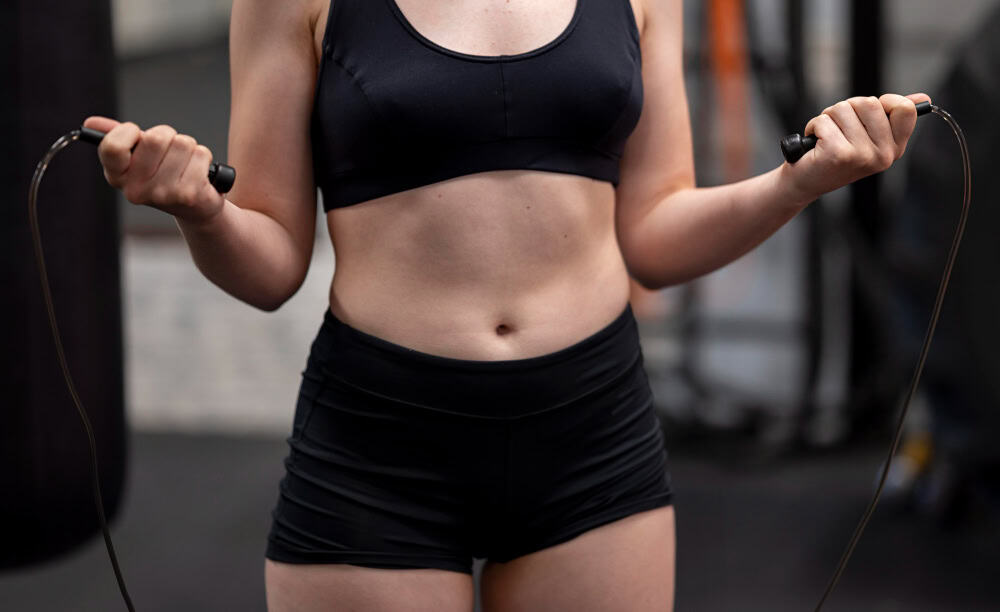
Exercises commonly included in love handles workouts include:
- Russian twists
- side planks
- core rotations
- squats
- lunges
- walking
- running
- cycling
- HIIT workouts
These exercises may help strengthen the waist and core muscles, but consistency across overall fitness habits matters far more than isolated “love handle exercises”.
How Long Does It Take to Reduce Love Handles?
There is no universal timeline.
Fat loss progress varies significantly between individuals depending on genetics, body composition, nutrition habits, activity levels, stress, and consistency.
Because love handles are considered a stubborn fat area, visible changes around the waist often happen more slowly than in other parts of the body.
This is why sustainable progress is usually gradual rather than immediate, and why realistic expectations matter.
Also read: How much can you change your body in 2 months?
What Treatments Help Reduce Love Handles?
Sometimes lifestyle improvements alone may not fully address stubborn fat deposits around the waist.
This is where body contouring and body sculpting treatments are often explored.
Non-surgical body contouring approaches are commonly used to target stubborn fat areas and improve waistline definition, particularly for individuals already maintaining relatively healthy lifestyles but struggling with persistent fat pockets.
These treatments are not substitutes for healthy habits. Instead, they are usually used to complement:
- exercise
- nutrition
- long-term body composition goals
Treatment suitability depends on:
- body composition
- skin quality
- lifestyle habits
- fat distribution
- individual goals
Professional assessment is important because realistic expectations matter significantly when approaching body contouring treatments.
At Clique Clinic, personalised body sculpting and body contouring treatments are tailored to support individuals looking to improve body proportions and address stubborn fat areas such as love handles.
Also read: What Are Body Slimming Treatments, and How Do They Work?
Final Thoughts
Love handles are extremely common and are often influenced by a combination of lifestyle habits, stress, hormones, body composition, and genetics.
Because the waist is considered a stubborn fat area, changes are often slower and less predictable than many people expect. Sustainable fat reduction usually requires consistency across nutrition, exercise, sleep, and overall lifestyle habits rather than relying on quick fixes or isolated exercises alone.
For individuals struggling with persistent waist fat despite healthy habits, professional body contouring approaches may provide additional support alongside long-term lifestyle changes.
Struggling with stubborn waist fat despite consistent workouts and healthier eating habits? Clique Clinic offers personalised body sculpting and body contouring treatments designed to support more refined body proportions and realistic long-term body goals. Contact us today.