

Collagen for Skin: All You Need To Know
Collagen has become the buzzword of the decade, featured in everything from powdered lattes to sheet masks. Yet behind the hype lies genuine science, as collagen is the scaffolding that keeps skin bouncy, smooth, and youthfully resilient.
At Clique Clinic collagen-building aesthetic treatments are among our most sought-after procedures. Our doctors routinely blend evidence‑based collagen strategies, whether topically, ingestible, or in‑clinic procedures to create personalised anti‑ageing programmes for our clientele.
This comprehensive guide further explains the chemistry, benefits, limits, and smart ways to integrate collagen into your routine so you can make informed choices and maximise results.

What is Collagen?
It is the most abundant protein in the human body, comprising almost 30 per cent of total protein mass. It acts as the main structural component of skin, bone, tendons, and connective tissue. In skin, collagen fibres form a tightly woven network that gives firmness and elasticity.
Hydrolysed collagen or collagen peptides are popular in skincare and as supplements to boost collagen production.
At Clique Clinic, we often tell patients that collagen works like the glue or cement in the skin’s foundation. It keeps everything firm, strong, and in place. When collagen breaks down with age, the skin can start to sag and lose its smooth, youthful structure, just like a wall starts to crumble when the cement wears away.
Chemical Composition & Properties of Collagen
Collagen is a triple‑helical protein dominated by repeating sequences of glycine, proline, and hydroxyproline. The helical structure is stabilised by vitamin C‑dependent enzymes. Without adequate vitamin C, collagen synthesis will be interrupted, and this is a prime reason scurvy patients develop fragile skin.
Native collagen is approximately 300 kDa, and this is far too large to slip between skin epidermal cells. Hence, most topical and supplement products use hydrolysed collagen with a molecular weight of 3–6 kDa.
Skincare with collagen of this size can sit on the stratum corneum as a humectant film. For oral collagen supplements, this size can bypass the digestive system into the bloodstream.
Note: When collagen is broken down into smaller fragments (hydrolyzed), the resulting peptides can have a much lower molecular weight (MW), ranging from a few kDa up to 30 kDa or more.
Read More: Hydrolyzed Collagen—Sources and Applications
Origins:
- Marine (fish scales): This is popular in Japan and Southeast Asia for superior bioavailability and halal‑friendly sourcing.
- Bovine or porcine hides: This is more traditional Western sources.
- Plant “collagen” (usually soy or wheat peptides): Strictly speaking, these are not true collagen but peptide molecules that mimic the collagen hydration profile.
- Hydrophilicity: Collagen’s polypeptide backbone attracts and binds up to 30 times its weight in water, accounting for its immediate plumping sensation after topical application.
For patients at Clique Clinic, we favour sustainably harvested marine collagen peptides combined with vitamin C serums to encourage dermal remodelling, especially after laser or microneedling sessions.
What Does Collagen Do for Skin?
When applied topically, hydrolysed collagen forms a breathable microfilm on the skin layer, locking in transepidermal water and lending a dewy finish. The effect is cosmetic but tangible: skin appears smoother, fine lines look softer, and makeup glides on seamlessly.
Oral collagen peptides (ingestible collagen via supplements), on the other hand, behave differently. Short di- and tripeptides survive digestion to enter blood circulation and accumulate in dermal tissue, where they may up‑regulate fibroblast activity to form collagen.

Collagen Benefits for Skin
- Boosts surface hydration, combating Malaysia’s alternating air‑con dryness and equatorial humidity swings.
- Improves tactile softness and visual smoothness, delivering that coveted “glass skin” glow.
- Provides quick plumping of fine lines and crow’s‑feet, ideal before events or photography sessions.
- Supports wound healing and post‑procedure recovery (laser resurfacing, RF microneedling), a benefit we leverage at Clique Clinic to reduce downtime.
- Oral collagen may modestly increase dermal density and elasticity after eight to twelve weeks.
Read More: Oral Collagen Peptides for Skin: Collagen hydrolysate, collagen tripeptide and collagen dipeptide: A Systematic Review - Early data suggest possible suppression of UV‑induced hyperpigmentation, explaining why some consumers perceive mild collagen for skin whitening effects.
Potential Side Effects & Considerations
- Topical collagen is non‑irritating and suitable even for sensitive skin.
- Topical collagen cream effectiveness is limited as it cannot activate your skin fibroblasts to make collagen. For structural repair from inside the skin, pair with retinoids, peptides, or energy‑based devices like Ultherapy and Sylfirm X, available at Clique Clinic.
- Marine‑sourced collagen may trigger reactions in individuals with fish or shellfish allergies.
Is Collagen Safe for All Skin Types?
Yes, but with some important considerations. While dry and mature skin types typically see the most benefit, those with oily, acne-prone, or melasma-prone skin should be more selective with their collagen approach.
At Clique Clinic, we customise the collagen delivery method based on individual skin needs, whether it is collagen stimulation through injectables like Plinest, energy-based treatments like Sylfirm X RF microneedling or PicoSure laser, or topical applications. A professional skin analysis and consultation with our doctors ensures the safest and most effective strategy for your skin.
How to Use Collagen in Your Skincare Routine?
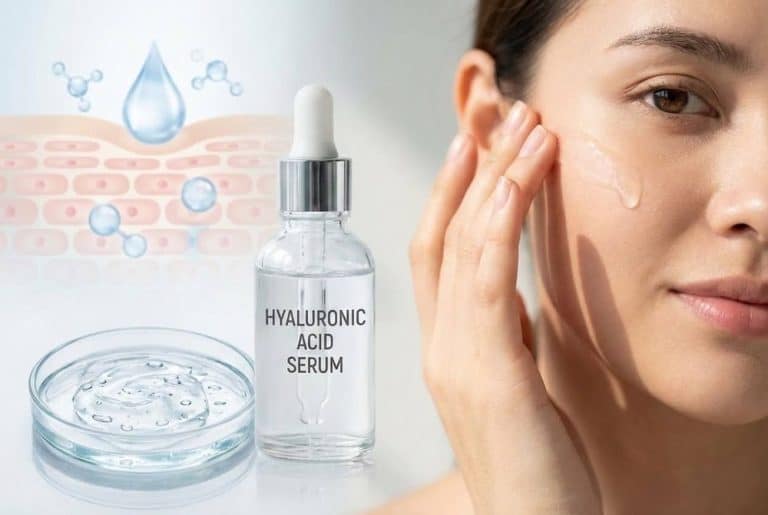
- Creams and serums: Apply after cleansing and toning, before heavier occlusives like moisturisers. Pair with hyaluronic acid for synergistic hydration.
- Sheet masks: Reserve for travel or immediate glow‑ups.
- Supplements: 2.5 – 10 g marine collagen peptides daily, ideally with vitamin C‑rich food to maximise absorption.
- Professional combo‑therapy: Fractional lasers, topical collagen and collagen-stimulating injectables like Plinest can stimulate skin fibroblasts to elevate your collagen supply, giving longer‑lasting lift than topical skincare. Our doctors at Clique Clinic often pair in-office aesthetic procedures with topical collagen-boosting skincare for best results.
Who Should Use Collagen?
- Adults noticing early laxity, dullness, or fine lines.
- Frequent travellers facing cabin dehydration.
- Individuals undergoing skin‑stressful events: weddings, photo shoots, marathon training.
- Patients stacking active ingredients (retinoids, AHAs) and seeking a non‑irritating hydration option.
Which Is the Best Collagen for Skin?
No single form reigns supreme; efficacy hinges on molecular weight, purity, and synergy with actives.
- Hydrolysed marine peptides: Superior bioavailability and halal‑friendly; backbone of most evidence‑based collagen powders.
- Type I bovine collagen: Cost‑effective, rich in proline and helpful for ligament integrity as well as skin.
- Tripeptide‑enriched formulas: For faster absorption; ideal for busy professionals wanting quick results.
Final Thoughts
Collagen is not a miracle ingredient that erases wrinkles overnight. It is a versatile moisture magnet and a supportive building block that, when cleverly combined with Vitamin C, peptides, retinoids, and in‑clinic collagen‑induction therapies, elevates skin quality from merely hydrated to luminously resilient.
However, topical use of collagen-only skincare offers surface-level effects.
Ready to explore a bespoke collagen regimen? Our friendly doctors at Clique Clinic are happy to review your current products, nutritional intake, and lifestyle to map out a science‑backed strategy that fits both skin goals and busy schedules.
Book a consultation today and let us rebuild your skin’s architecture: wa.me/60123537960


Fantastic article — really appreciate how clearly you’ve explained the difference between topical and ingestible collagen. It’s refreshing to see such an evidence-based perspective.
As someone who’s worked closely with hydrolysed collagen (specifically VERISOL® peptides used in our NEE-V Collagen formula), I’ve seen first-hand how clinically studied peptides combined with vitamin C can significantly support skin elasticity and hydration from within over 8–12 weeks.
Many consumers don’t realise that not all collagen is created equal — molecular weight, peptide structure, and sourcing all make a big difference in absorption and results. Thank you for helping to educate readers on what truly matters when it comes to collagen quality and effectiveness.
– Eryn Behan, Founder | NEE-V Collagen