The Ultimate Guide to Face Lifting Treatments and Procedures
Summary
Face lifting treatments help combat signs of ageing, such as sagging skin, wrinkles, and volume loss, by tightening the skin and enhancing facial contours.
Surgical face lifts offer long-lasting results but involve risks like scarring and extended recovery. Non-surgical alternatives like EMface, Sylfirm, Ultherapy®, Botox, and Dermal Fillers provide minimally invasive solutions with faster recovery and natural results. Ideal candidates are individuals with moderate to severe skin laxity.
Treatment choice depends on factors like skin condition, budget, and recovery time. Consulting a qualified specialist is essential to find the best approach. Visit Clique Clinic for expert guidance on face lifting procedures.
Introduction
They say beauty is timeless. However, the effects of natural ageing can gradually impact the appearance of one’s skin.
As people age, their skin loses its elasticity as the body produces less collagen and elastin. This, in turn, leads to sagging skin, fine lines, and wrinkles.
Additionally, environmental conditions such as sun exposure, pollution, and lifestyle habits further accelerate these changes, making the skin appear tired and aged.
Fortunately, face lifting treatments offer a way to restore a youthful appearance by tightening excess skin and enhancing facial contours.
This article explores different face lifting procedures, their benefits, and key aspects to consider when choosing the right treatment for you.

What is face lifting?
Face lifting is a cosmetic procedure designed to rejuvenate the skin by tightening sagging areas, reducing wrinkles, and restoring facial contours. In essence, it aims to reverse the noticeable signs of ageing on the face and neck.
By targeting excess skin, this procedure stimulates collagen and elastin production, key components in maintaining a youthful appearance.
Depending on individual needs, both surgical and non-surgical facelifting treatments are available.
Why do people need a face lift?
As we age, our skin undergoes several changes that contribute to facial sagging, wrinkles, and volume loss. The primary causes of facial ageing include:
- Decline in collagen and elastin – These essential proteins keep the skin firm and elastic. Over time, their production slows down, causing skin to sag.
- Gravity – Over the years, gravity pulls the skin downward, leading to drooping eyebrows, sagging cheeks, and jowls.
- Sun exposure – Harmful UV rays break down collagen and elastin, accelerating the ageing process and leading to wrinkles, pigmentation, and skin laxity.
- Lifestyle factors – Smoking, poor diet, dehydration, and stress contribute to premature skin ageing and reduced skin elasticity.
- Fat redistribution – As we age, facial fat shifts and diminishes, leading to hollowed cheeks and an aged appearance.
Who is ideal for face lifting?
A face lift is not suitable for everyone. Here’s a quick breakdown of who should and shouldn’t consider the procedure:
Ideal candidates:
- Individuals with moderate to severe skin sagging.
- Those in good general health with no serious medical conditions.
- Non-smokers (or those willing to quit before the procedure).
- People with realistic expectations about the results.
- Individuals looking to restore youthful contours and reduce deep wrinkles.
Not ideal candidates:
- Those with severe medical conditions that may interfere with healing.
- Individuals with minimal skin sagging who may not need extensive treatment.
- People with unrealistic expectations about the outcome.
- Those who cannot commit to the recovery time required for surgical procedures.
Face lifting treatment options
The treatment options can primarily be classified into surgical and non-surgical face lifting procedures. Each method offers different results, risks, and recovery times.
Surgical face lift
A surgical face lift, also medically known as rhytidectomy, is a procedure designed to provide long-lasting and permanent results by tightening sagging skin, repositioning facial tissues, and removing excess fat.
This procedure encompasses various techniques like traditional (SMAS), mini, mid, and neck lifts, allowing for customised results.
While effective, this method carries significant risks and side effects, including:
- Prolonged recovery time (typically several weeks).
- Swelling, bruising, and pain.
- Scarring from incisions.
- Risk of infection and complications from anaesthesia.
- Potential for an unnatural or over-tightened appearance.
Non-surgical face lifting
Non-surgical face lifting refers to minimal or non-invasive procedures that enhance skin aesthetics. It has become an increasingly popular alternative to traditional face lifts, offering effective skin-tightening and rejuvenation without the risks, downtime, or high costs associated with surgery.
These procedures utilise state-of-the-art technologies such as radiofrequency, ultrasound, microneedling, and injectables to enhance collagen production, reduce wrinkles and improve skin elasticity.
Compared to surgical facelifts, non-invasive treatments provide gradual, natural-looking results with less discomfort and a shorter recovery time. Whether targeting skin laxity, fine lines, or volume loss, there are several FDA-approved options available.
Here are some of the most popular non-surgical face lifting treatments:
EMface
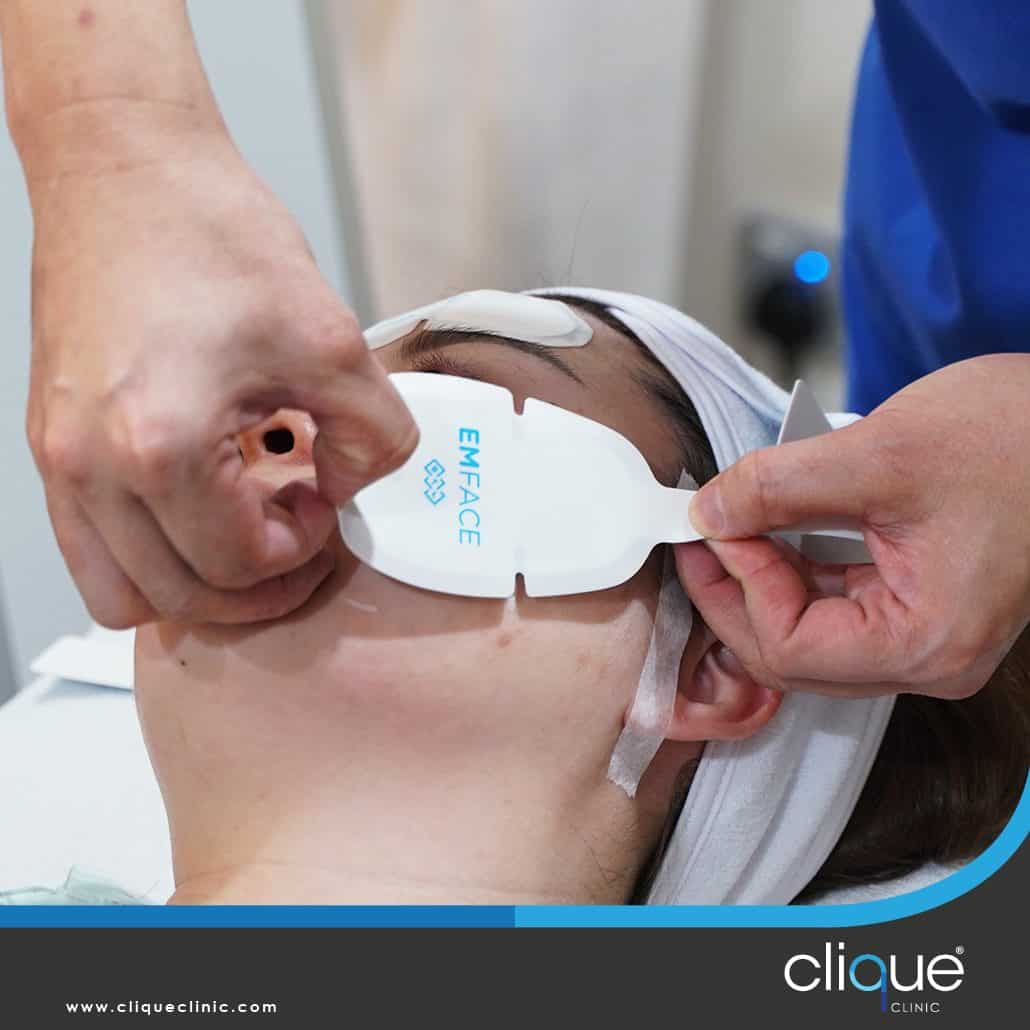
EMface is an innovative, needle-free facial lifting treatment that stimulates muscles and collagen production using synchronised radiofrequency and HIVES™ (High-Intensity Facial Electromagnetic Stimulation). This treatment helps tighten skin, enhance facial contours, and reduce wrinkles with zero downtime.
Sylfirm
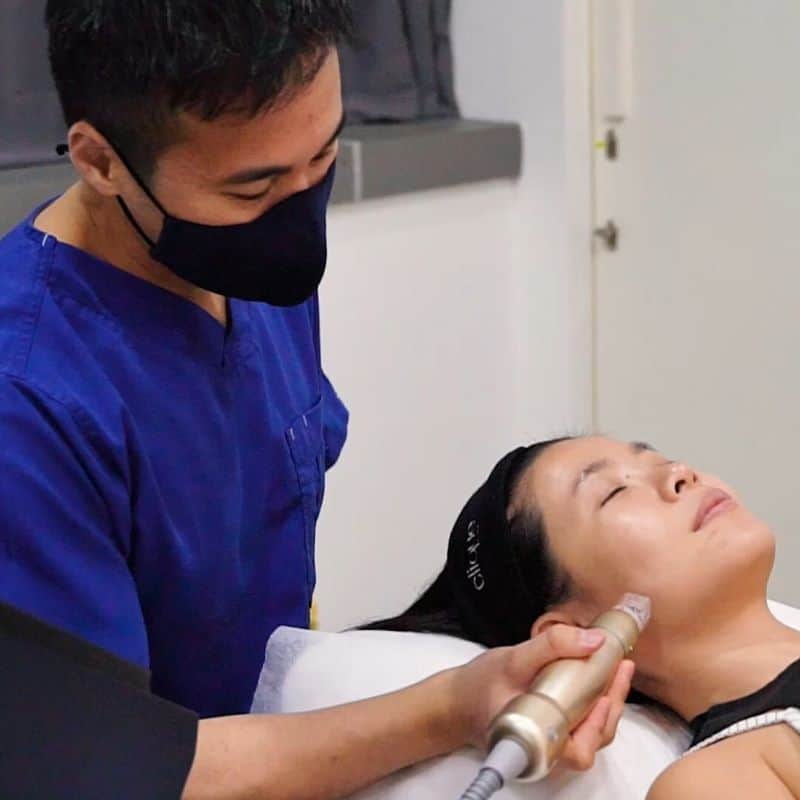
Sylfirm combines microneedling with radiofrequency energy to firm and rejuvenate the skin. This treatment is particularly effective for tightening sagging skin, improving skin tone, and reducing fine lines while also targeting hyperpigmentation and scars.
Dermal Fillers
Dermal Fillers are injectable hyaluronic acid-based treatments that restore volume, smooth deep wrinkles, and enhance facial contours. They are commonly used to plump up cheeks, reduce nasolabial folds, and create a more youthful look.

Ultherapy®
Ultherapy® is an advanced, non-invasive ultrasound treatment that lifts and tightens loose skin present on the neck, face, and décolletage by stimulating collagen production deep within the skin layers. It delivers long-term tightening effects without the need for surgery.

Botox
Botox injections function by temporarily limiting the movement of facial muscles to effectively reduce wrinkles and fine lines on the forehead and around the eyes and mouth. This treatment is widely used to prevent and soften expression lines, offering a refreshed and youthful appearance.

Non-surgical face lifting provides customised and effective solutions tailored to different skin needs.
To explore the best treatments for you, check out Clique Clinic’s face lifting services for a youthful makeover!
Benefits of face lifting treatments
Here’s how face lifting techniques can rejuvenate your appearance and restore youthful firmness:
- Tightens sagging skin and reduces wrinkles.
- Enhances facial contours for a youthful look.
- Stimulates collagen production for long-lasting results.
- Improves skin texture and elasticity.
- Non-surgical options offer minimal downtime.
- Boosts confidence and self-esteem.
Choosing the right face lift treatment
Choosing the right face lift treatment is a crucial step toward achieving your desired results. Here are some key aspects to keep in mind:
- Age and skin condition.
- Desired outcome and expectations.
- Invasiveness of the procedure.
- Required recovery time.
- Cost of treatment.
- Medical history and overall health condition.
How much would a face lift cost in Malaysia?
The cost of a face lift varies based on factors such as:
- Type of procedure (surgical or non-surgical).
- Number of treatment sessions required.
- Geographic location and clinic expertise.
- Additional post-treatment care expenses.
Consider discussing with your dermatologist/ aesthetic clinic to understand the best treatment option and the associated costs.
FAQ
What should you expect during a face lift consultation?
During a consultation, a specialist assesses your skin condition, facial structure, and aesthetic goals to discuss treatment options, expected results, risks, and downtime.
The session may include a skin analysis and a personalised treatment plan to ensure the best approach for your needs.
Is face lifting painful?
Yes, but the pain levels vary by procedure.
Surgical face lifts that involve incisions may cause temporary swelling and discomfort. However, this can be managed with medication and proper aftercare.
Non-surgical treatments like EMface, Sylfirm, and Ultherapy® cause mild sensations, such as warmth, but they are generally well tolerated and require little to no recovery time. Most patients find these sensations easily manageable.
What are the side effects of a face lift?
Surgical face lifts may cause swelling, bruising, scarring, and numbness, with a longer recovery period. Non-surgical face lifts may result in temporary redness, mild soreness, or slight swelling, but these effects typically fade within days.
Which face lift treatment is best?
The best treatment depends on individual needs. Surgical face lifts offer long-lasting, dramatic results, while non-surgical options like EMface, Sylfirm, and Ultherapy® provide subtle improvements with minimal downtime.
A specialist can recommend the most suitable approach based on skin conditions and goals.
What is the best age for a face lift?
Most people consider facelifts between 40 and 60 when skin laxity becomes noticeable. However, non-surgical treatments can start as early as the late 20s or 30s to slow ageing and maintain youthful skin.
How can you maintain face lift results?
To prolong results, use sunscreen daily, follow a good skincare routine, stay hydrated, eat a balanced diet, and avoid smoking and excessive alcohol. For non-surgical face lifts, regular maintenance sessions help extend results.
How long does recovery take?
Surgical face lifts require 2 to 4 weeks for initial recovery, with swelling subsiding over months. Full healing and optimal results take time.
Non-surgical face lifts have minimal downtime, allowing most patients to return to daily activities immediately.
How long do the face lift results last?
Surgical face lifts can last 10+ years, though ageing continues naturally. In general, non-surgical treatments typically last 6 months to 2 years, with maintenance sessions helping to sustain results.
Is face lift treatments for men and women different?
While the procedures are similar, men often seek subtle, natural-looking enhancements, while women may prefer more defined contouring. Treatments are customised to suit individual preferences and facial structures.
For more customised solutions, discover different types of face lifting treatments offered at Clique Clinic!
Conclusion
Face lifting treatments have evolved significantly, offering both surgical and non-surgical options to achieve a youthful and rejuvenated appearance.
While surgical face lifts provide long-lasting results, they come with considerable risks, including scarring, prolonged recovery, and potential complications.
On the other hand, non-surgical treatments such as EMface, Sylfirm, Dermal Fillers, Ultherapy®, and Botox offer minimally invasive solutions with quicker recovery times and natural-looking results.
Before selecting your ideal treatment, consider factors such as desired results, skin condition, budget, and tolerance for downtime. Consulting with a qualified specialist is very important to choose the most appropriate approach for individual needs.
With the advancements in aesthetic medicine, achieving firmer, lifted skin is now more accessible than ever. Whether you are opting for a surgical or non-surgical approach, modern face lifting techniques can help restore confidence and youthful radiance effectively.
Make your appointment at Clique Clinic today for professional face lifting treatments.

![Read more about the article 4 types of individuals NOT suitable for face contouring [Silhouette Soft]](https://www.cliqueclinic.com/wp-content/uploads/2023/03/4-types-of-individuals-not-suitable-for-face-contouring-Silhouette-Soft-768x280.jpg "4 types of individuals NOT suitable for face contouring [Silhouette Soft] - 4 types of individuals not suitable for face contouring Silhouette Soft 16")
