
Key Takeaways
- A good skincare routine does not need to be complicated; for most people, the foundation is cleanser, moisturiser, and sunscreen.
- The correct skincare order is generally cleanser, treatment serum, moisturiser, and sunscreen in the morning, with sunscreen removed from the night routine.
- Choose skincare products based on your main concern, such as dryness, acne, pigmentation, sensitivity, or fine lines, rather than copying a one-size-fits-all routine.
- Using too many active ingredients at once can irritate the skin and make it harder to identify which products are helping.
- Daily sunscreen is one of the most important skincare steps because it helps reduce UV-related pigmentation, premature ageing, and cumulative skin damage.
- At Clique Clinic, a personalised skin assessment can help simplify your routine and match products to your actual skin needs without adding unnecessary steps.
Introduction
Building a skincare routine should make caring for your skin easier—not leave you staring at a shelf full of products wondering what goes where.
With cleansers, serums, acids, retinoids, moisturisers and sunscreens all promising different benefits, it is easy to assume that healthier skin requires more steps. It usually does not.
A good skincare routine starts with a few essentials and builds from there according to what your skin actually needs.
Think of it as cleanse, treat, hydrate and protect.
Once you understand these four functions, choosing products—and knowing what order to use them in—becomes much simpler.
What Are the Essential Steps in a Skincare Routine?
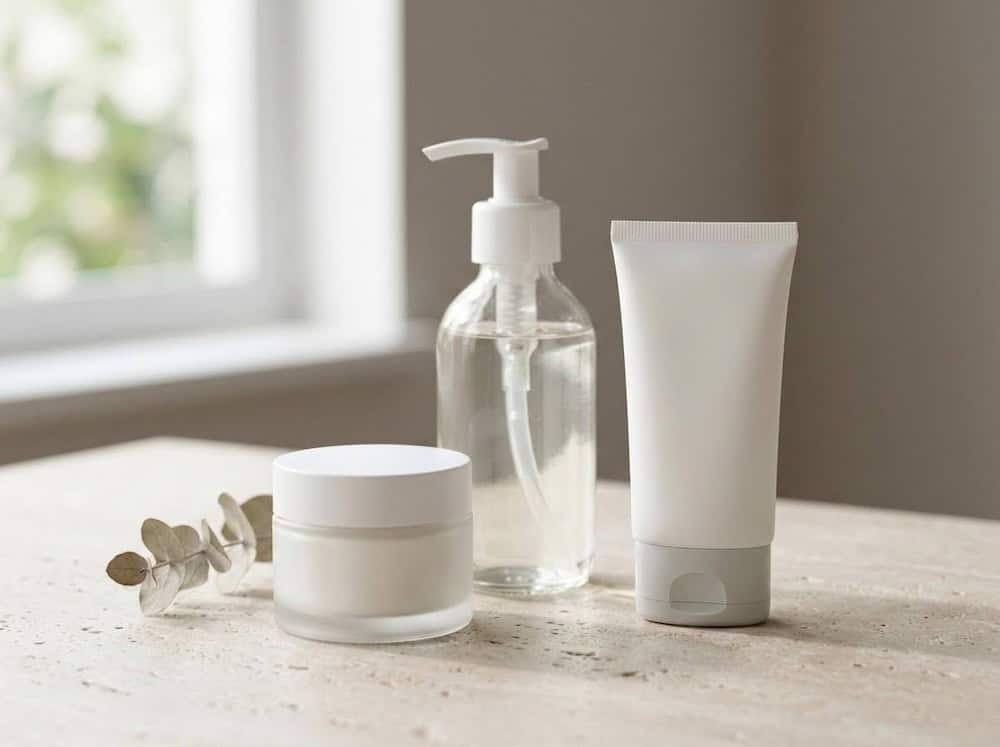
A basic skincare routine generally follows four steps: cleanse, treat, hydrate, and protect.
- Cleanse: Removes excess oil, sunscreen, makeup, sweat, and surface impurities.
- Treat: Serums and other active products target specific concerns such as acne, pigmentation, dehydration or fine lines.
- Hydrate: Moisturisers and hydrating products help maintain moisture and support the skin barrier.
- Protect: Sunscreen reduces exposure to ultraviolet radiation that contributes to pigmentation, premature ageing, and cumulative skin damage.
If you are new to skincare, you do not need to start with every step at once. A gentle cleanser, moisturiser, and sunscreen already provide a solid foundation. Targeted treatments can be added once you understand what your skin actually needs.
Also read: Exosome Therapy vs Exosome Skincare: Serums, Masks, & Creams.
What Order Should You Apply Skincare Products?
A simple rule is to apply lighter products before heavier creams, with sunscreen always applied last in the morning.
Morning skincare routine
- Cleanser
- Treatment serum, if needed
- Hydrating serum or moisturiser
- Sunscreen
Your morning routine should primarily prepare and protect your skin for the day ahead.
Night skincare routine
- Cleanser
- Targeted treatment or exfoliant, if used
- Hydrating serum
- Moisturiser
Evening routines can focus more on treatment and recovery.
That does not mean every active needs to be used every night. Depending on the product and your skin tolerance, alternating stronger treatments may help minimise irritation.
How to Choose Skincare Products for Your Skin Needs
Instead of asking, “What products should everyone use?”, ask, “What does my skin need?”
For dry or dehydrated skin
If your skin feels tight, flaky, or rough, focus on hydration and barrier support.
Ingredients such as hyaluronic acid, glycerin, ceramides, and panthenol can help support moisture levels. Pair them with gentle cleansing and avoid excessive exfoliation, which can make dryness worse.
For oily or acne-prone skin
Oily skin still needs hydration. Start with gentle cleansing and consider targeted ingredients for excess oil or clogged pores.
Exfoliating acids may be useful for some individuals, but using them too frequently can irritate the skin and sometimes worsen oiliness.
Persistent, painful or scarring acne deserves professional assessment rather than endless product experimentation.
For sensitive or easily irritated skin
When your skin reacts easily, less can be more. Keep your routine simple and introduce one new product at a time. This makes it easier to identify triggers.
If your skin is persistently burning, peeling or red, reconsider strong actives and focus on supporting the skin barrier.
For pigmentation or dullness
Brightening skincare works best when treatment and sun protection go together.
Ingredients such as vitamin C, niacinamide and retinoids may help target different aspects of uneven skin tone depending on your skin and tolerance.
However, piling several brightening products onto your skin is not necessarily faster. Consistency and daily sunscreen are usually more important.
Also read: Melasma vs Hyperpigmentation: Understanding the Difference & Treatment Approaches.
For fine lines and ageing skin
For long-term skin ageing concerns, start with sun protection and hydration.
Retinoids, antioxidants, peptides and other targeted ingredients can then be introduced depending on your goals.
Remember: stronger skincare is not automatically better skincare. An anti-ageing routine that constantly leaves your skin irritated may be working against you.
Also read: How Diet Affects Your Skin: Our Skin is Often a Mirror of Our Overall Health.

Why Should Sunscreen Be in Every Morning Skincare Routine?
Daily sunscreen is one of the most important steps for maintaining long-term skin health.
UV exposure contributes to pigmentation, uneven skin tone, collagen breakdown and premature signs of ageing. Daily sunscreen helps reduce this cumulative damage and protects the results of the rest of your skincare routine.
Apply sunscreen as the final step in the morning, and reapply when needed, particularly with prolonged outdoor exposure, sweating or swimming.
Even when the rest of your routine is minimal, sun protection should remain consistent.
When Should You Change Your Skincare Routine?
Your routine should evolve when your skin needs change, not simply because a new ingredient is trending.
Consider adjusting it when:
- Your skin becomes persistently dry, oily, irritated or congested
- Acne, pigmentation or sensitivity develops
- You start or complete certain aesthetic treatments
- Your current products repeatedly cause discomfort
- You are using several products without knowing what they actually do
At the same time, give skincare enough time to work. Many ingredients need several weeks or longer before noticeable changes appear.
Frequent switching can make it difficult to know whether a product is actually helping.
Common Skincare Routine Mistakes to Avoid
Better skincare sometimes means doing less, not adding more.
Common mistakes include:
- Introducing several active ingredients at once
- Over-exfoliating
- Skipping sunscreen
- Continuing strong treatments despite persistent irritation
- Copying someone else’s routine without considering your own skin
- Switching products too frequently
- Assuming a complicated routine must be more effective
Your skin does not count how many products you use. Consistency, suitability and tolerance matter more.
How Much Skincare Do You Actually Need?
Most people do not need a 10-step routine.
A good starting point is:
- Cleanser
- Moisturiser
- Sunscreen
Then add one targeted product based on your main concern.
For example, someone dealing with pigmentation might add a brightening serum. Someone with clogged pores might introduce an exfoliating product. Someone experiencing dehydration may benefit from a hydrating serum.
Adding too many products creates two problems: your skin may become irritated, and you may not know which product caused it.
A simple routine that you follow every day is usually more useful than an elaborate routine you abandon after two weeks.
At Clique Clinic, a personalised skin assessment can help identify which products your skin actually needs. The Clique Prescriptive range can then be tailored around concerns such as pigmentation, dehydration, sensitivity, acne, or ageing, without adding unnecessary steps to your routine.
Conclusion
An effective skincare routine is not about having the most products. It is about choosing the right ones and using them consistently.
Start with the essentials: cleanse, hydrate, and protect. Add targeted treatments only when there is a clear reason to do so.
Your skin type, concerns, tolerance, lifestyle, climate, and aesthetic treatments can all influence what belongs in your routine. As those needs change, your routine can change with them.
If you are unsure where to start, Clique Clinic can help assess your skin and build a personalised routine using only the products your skin actually needs.
Book a consultation to create a simpler, more targeted skincare routine that supports healthier skin over time.