
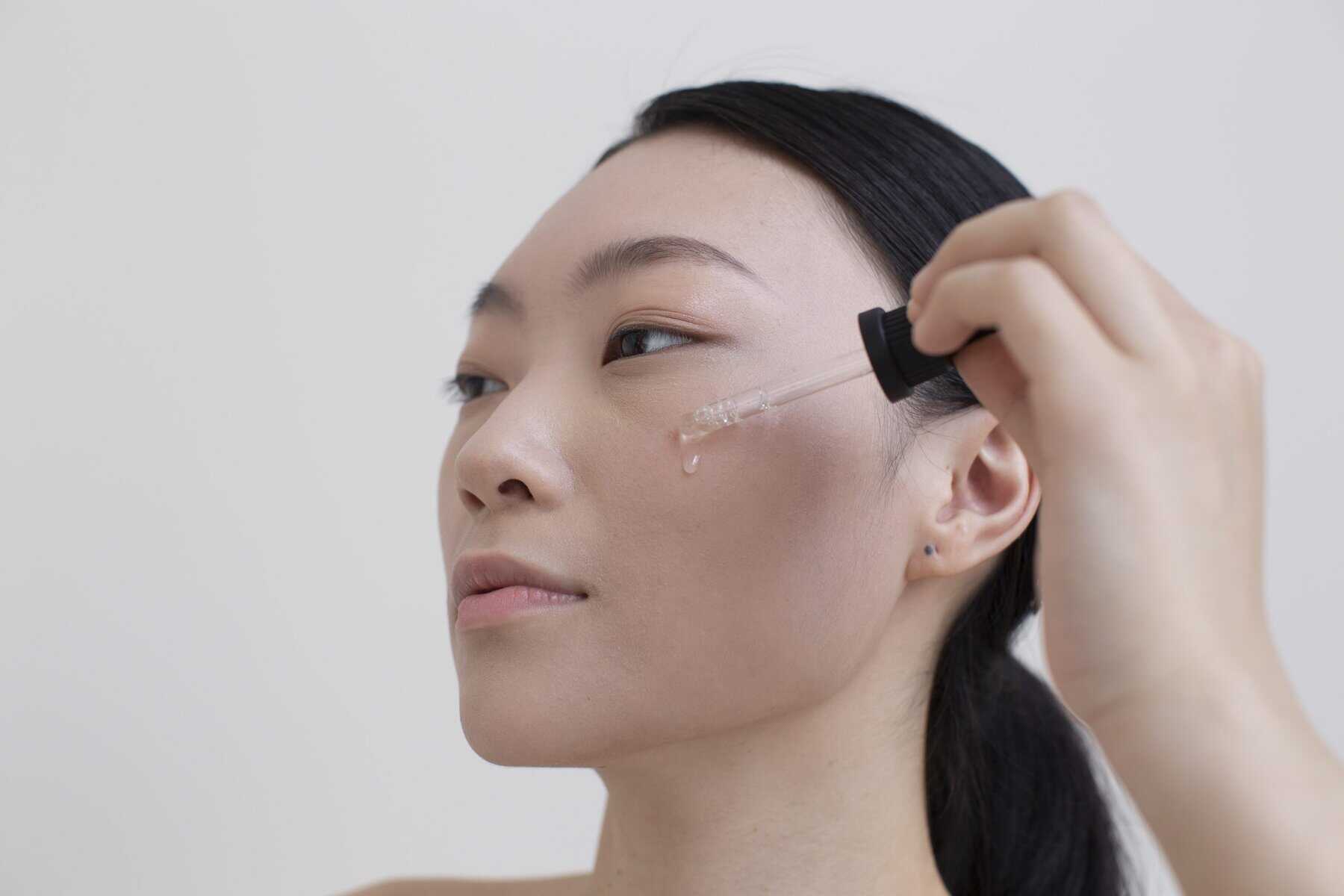
Niacinamide in Skin Care: What It Is
Niacinamide is everywhere in skincare right now and for good reason. Scientifically backed and dermatologically trusted, it is one of the most versatile, stable, and effective active ingredients available.
From treating acne to brightening skin and repairing the barrier, niacinamide is fantastic for almost all skin types.
At Clique Clinic, we frequently recommend niacinamide to patients as part of their medical-grade skincare regimen, especially those struggling with:
- Oily and acne-prone skin
- Compromised skin barriers from over-exfoliation or environmental stress
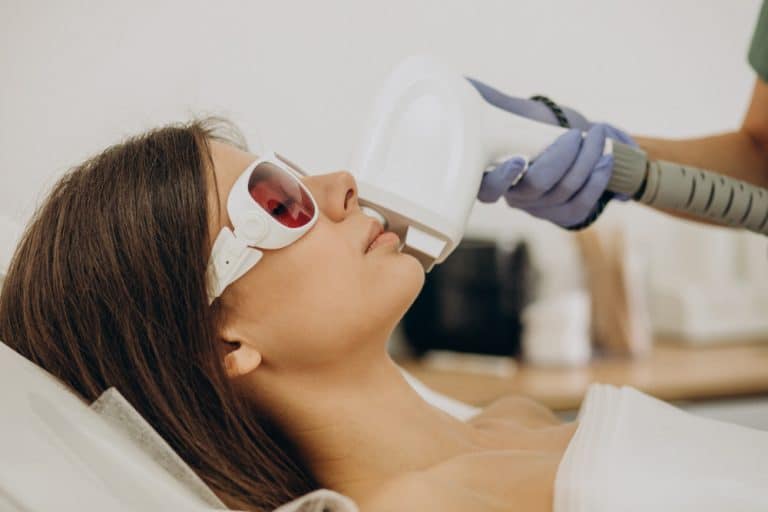
- Post-procedure sensitivity (example after laser, microneedling, or chemical peels)
- Persistent redness or rosacea
- Uneven pigmentation and dullness
- Fine lines and early signs of aging
Its ability to regulate oil, reduce inflammation, and strengthen the skin barrier makes it a core ingredient in our aesthetic protocols, whether we are preparing the skin pre-treatment, maintaining skin health post-treatment, or restoring balance in sensitive or reactive skin types.
When used on its own or paired with actives like retinol or AHA [Alpha Hydroxy Acids], niacinamide brings balance to the skin, calming, correcting, and restoring from the inside out. Read on to learn why we believe this B3 vitamin belongs in almost every skincare routine.
What is Niacinamide?
Definition and Background
Niacinamide, also called nicotinamide, is a water-soluble form of vitamin B3. It plays a vital role in skin cell energy production and DNA repair. Unlike niacin (nicotinic acid), niacinamide does not cause flushing and is much better tolerated on skin, making it the preferred form in topical skincare.
Source and Origin (Vitamin B3)
Derived from dietary sources like meats, legumes, and green vegetables, niacinamide can also be synthetically produced to ensure stability and purity in skincare formulations.
At Clique Clinic, we look for formulations with stabilized niacinamide at therapeutic concentrations (typically 5% or more) when prescribing it as part of a skin correction program.
Common Uses in Skincare
In-clinic and at-home, niacinamide is used for:
- Post-laser or microneedling recovery to calm inflammation.
- Treating acne and congestion in oily skin types.
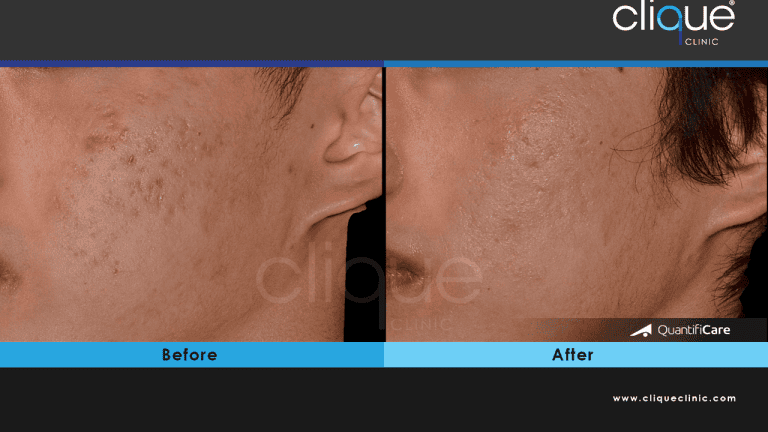
- Reducing melasma and post-inflammatory hyperpigmentation (PIH).
- Soothing sensitized skin and reducing visible redness.
- Preventing transepidermal water loss (TEWL) in dry or aging skin.
What Does Niacinamide Do to the Skin?
Niacinamide supports cellular repair and barrier restoration, which is crucial for patients undergoing aesthetic procedures or managing chronic inflammatory skin conditions.
At the molecular level, it helps:
- Stimulate ceramide synthesis.
- Improve hydration.
- Balance excess oil production.
- Block melanin transfer (reducing dark spots and discoloration).
Read more: A 12-week study found niacinamide significantly improved hyperpigmentation and skin tone homogeneity, making it a key ingredient for treating PIH, melasma, and dull skin Hakozaki et al., 2002.
Chemical Composition & Properties of Niacinamide
Molecular Structure
Niacinamide’s formula is C₆H₆N₂O, a small, skin-permeable molecule. Its water solubility makes it perfect for use in:
- Serums
- Essences
- Toners
- Moisturizers
At Clique Clinic, we evaluate product formulations for pH stability, concentration accuracy, and synergistic ingredients to ensure maximum efficacy.
Solubility and Formulation Properties
- Water-soluble: Ideal for serums, gels, toners, and emulsions.
- Stable between pH 5–7: Compatible with most cosmetic formulations.
- Does not require airless packaging: Stable molecule.
- Non-comedogenic and gentle: Won’t clog pores.
- Colorless and odorless: Easy to formulate with.
Stability in Products
Unlike actives like vitamin C, niacinamide does not degrade rapidly. It is photo-stable, heat-stable, and chemically non-reactive, making it excellent for day and night use, even in tropical climates like Malaysia.
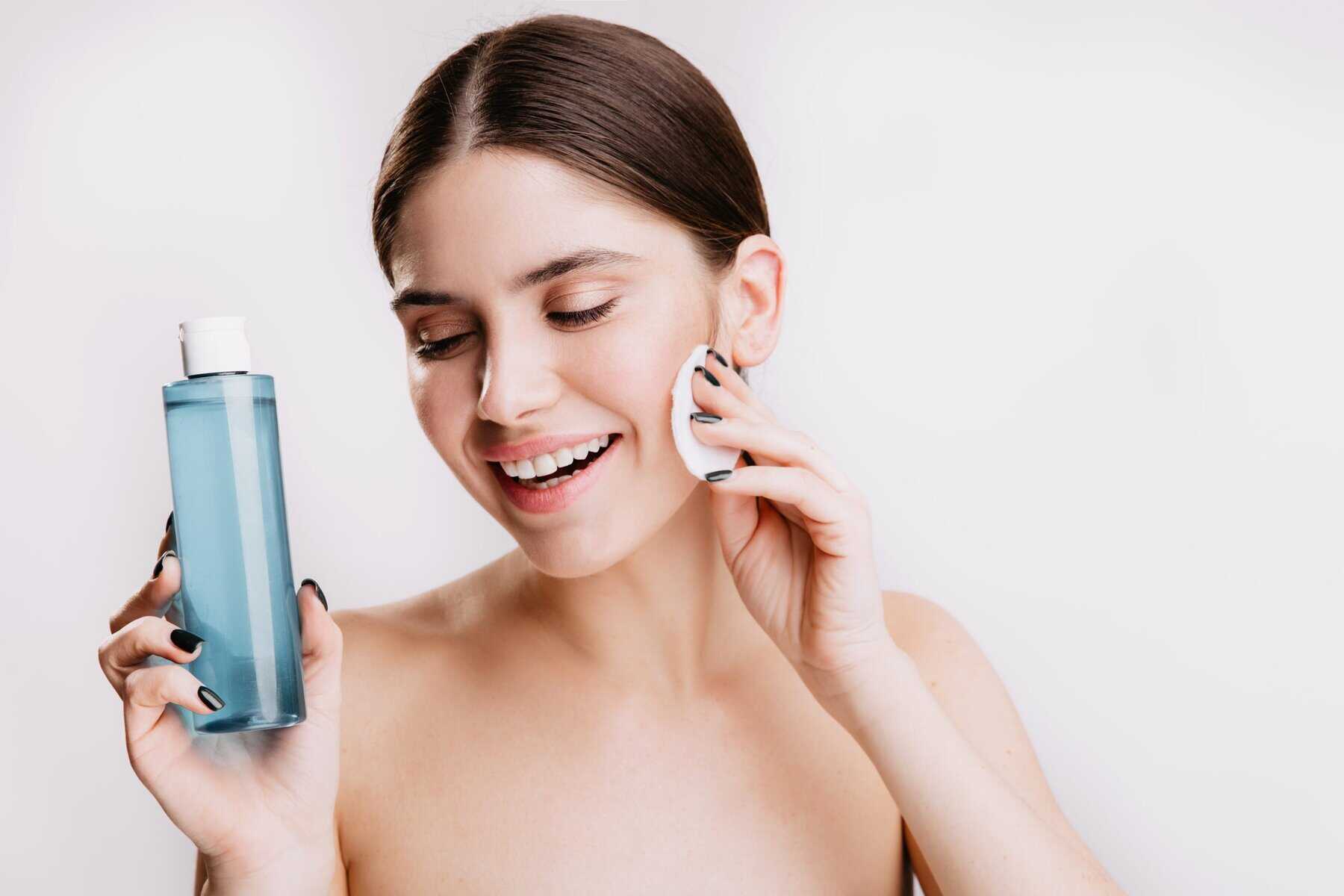
How Niacinamide Works in Skin Care?
Mechanism of Action
Niacinamide works through multiple mechanisms:
- Increases NAD+ [Nicotinamide adenine dinucleotide] levels in skin cells, energizing skin cells.
- Boosts ceramide and free fatty acid production, improving the skin’s lipid barrier.
- Suppresses cytokine activity, calming redness.
- Inhibits melanosome transfer, decreasing pigmentation.
Targeted Skin Concerns It Addresses
In our clinical practice, niacinamide is used to address:
- Excess oil production and acne.
- Melasma and pigmentation.
- Post-laser inflammation.
- Barrier dysfunction and dehydration.
- Fine lines and skin texture issues.
- Redness-prone conditions like rosacea.
Key Benefits of Niacinamide
At Clique Clinic, we rely on niacinamide as a go-to for its multi-corrective effects across a wide range of skin types. Here’s what the science says:
- Enhances Hydration & Skin Barrier
- Improves ceramide synthesis, reducing water loss and strengthening the skin barrier.
- Helps restore damaged or over-exfoliated skin.
- Fades Pigmentation & Evens Skin Tone
- Inhibits melanosome transfer
- Safe for long-term use in melasma treatment
Read more: Hakozaki et al., 2002
- Controls Sebum & Acne
- Reduces sebum excretion and pore visibility.
- Non-antibiotic alternative in acne management.
- Calms Redness & Sensitivity
- Beneficial in rosacea, eczema, and post-procedure care.
- Fights Signs of Aging
- Improves skin elasticity, texture, and fine lines.
Read more: Bissett et al., 2005

Potential Side Effects & Considerations with Niacinamide
Common Side Effects or Sensitivities
- Mild redness or tingling (usually with high concentrations above 6%).
- Rare instances of contact dermatitis in sensitive users.
In our clinic, we typically start patients with 2–5% concentrations, especially those with sensitized skin or a compromised barrier.
Compatibility with Other Active Ingredients
Niacinamide is famously flexible and pairs well with:
- Retinol – to buffer irritation.
- Hyaluronic acid – for hydration.
- Vitamin C – for brightening.
- AHA/BHA – for acne-prone skin.
- Peptides and ceramides – for anti-aging and barrier support.
Tips for First-Time Users
- Start slow: once daily for 1–2 weeks.
- Monitor for irritation if combining with exfoliants.
- Follow with broad-spectrum sunscreen [SPF 50++], especially when targeting pigmentation.
How and When to Use Niacinamide in Your Routine?
Recommended Product Types
We often prescribe or recommend niacinamide in:
- Hydrating serums (for daily use).
- Barrier-repair moisturizers (post-treatment).
- Anti-pigmentation blends (with tranexamic acid or alpha-arbutin).
- Lightweight toners or essences (for oily skin).
Frequency and Time of Use
- AM: For antioxidant defense and oil control.
- PM: For cellular repair and hydration.
Niacinamide is gentle enough for twice-daily use, even on sensitive or rosacea-prone skin.
Suggested Combinations in Clinical Settings
- Post-laser or microneedling – Niacinamide + hyaluronic acid + peptides.
- Pigmentation treatment – Niacinamide + alpha arbutin + tranexamic acid + SPF sunblock.
- Acne or oily skin – Niacinamide + salicylic acid + zinc.
- Retinoid routines for anti-aging – Niacinamide + ceramides.
Who Should Use It?
Skin Types That Benefit the Most
- Oily or combination skin.
- Sensitive and rosacea-prone skin.
- Mature or aging skin.
- Post-procedure skin.
Specific Conditions or Concerns
At Clique Clinic, we recommend niacinamide for:
- PIH and melasma patients.
- Post-acne discoloration and inflammation.
- Skin barrier damage from harsh actives.
- Redness-prone or dehydrated skin types.
Its ability to multitask makes it ideal for multi-ethnic Malaysian skin, which is often struggling with sensitivity, pigmentation, and oiliness all at once.
Final Thoughts
Niacinamide is a clinical-grade, multi-functional powerhouse that suits nearly every skin type and concern. At Clique Clinic, it forms a cornerstone in many of our skincare protocols, especially for patients dealing with pigmentation, oiliness, inflammation, or barrier compromise.
Thanks to its high tolerability, impressive efficacy, and compatibility with nearly all actives, niacinamide has earned its place in both daily home care routines and post-aesthetic treatment plans.
If you’re unsure where niacinamide fits in your regimen or if you’re experiencing skin issues that need a personalized plan, book a consultation with our aesthetic team! We will guide you toward a solution that is scientifically sound, dermatologist-approved, and tailored for your skin goals.
Whatsapp our team: wa.me/60123537960
sangat membantu
https://alma035.wordpress.com/5-manfaat-skincare-rutin-yang-wajib-kamu-tahu/