Red Ginger: What is it, Benefits, & Nutritional Value
Key Takeaways
- Red ginger (Halia Bara) is rich in gingerol, shogaol, and antioxidants that support overall health and wellness.
- Research suggests it may help support immunity, digestion, circulation, metabolic health, and joint comfort as part of a healthy lifestyle.
- Compared with regular ginger, red ginger contains higher essential oil levels and a more concentrated therapeutic profile.
- Red ginger can be consumed as fresh rhizome, tea, powder, extract, or supplements, depending on your health goals.
- It is generally safe for most adults, but those who are pregnant, taking blood thinners, or have certain medical conditions should seek medical advice before regular use.
Introduction
Something is shifting in how Malaysians think about wellness, and red ginger is at the centre of it. This is not a passing trend but a rhizome with a long history in Southeast Asian herbal practice, now backed by real science.
Its key compounds, gingerol, shogaol, zingerone and a wide array of polyphenols, give it a therapeutic depth that regular ginger cannot match, and it is earning its place in serious wellness conversations across health tonics, capsules and functional teas.
What Is Red Ginger?
Origin and Background
Red ginger’s scientific name is Zingiber officinale Roscoe var. rubrum, and it belongs to the Zingiberaceae plant family, the same botanical family that includes turmeric, cardamom and galangal. In Malaysia, it is known as Halia Bara. In Indonesia, it is simply called jahe merah. Both countries have cultivated it for centuries, not as a kitchen staple, but as a medicinal one.
Red ginger has been used across Southeast Asia for inflammatory conditions, digestive complaints, fever and respiratory illness. Unlike culinary ginger, it was rarely thrown into a curry. It was brewed, extracted and prescribed medicinally rather than eaten for flavour.
Red Ginger vs Regular Ginger
At first glance, the two look similar. Look more closely, and the differences become clear.
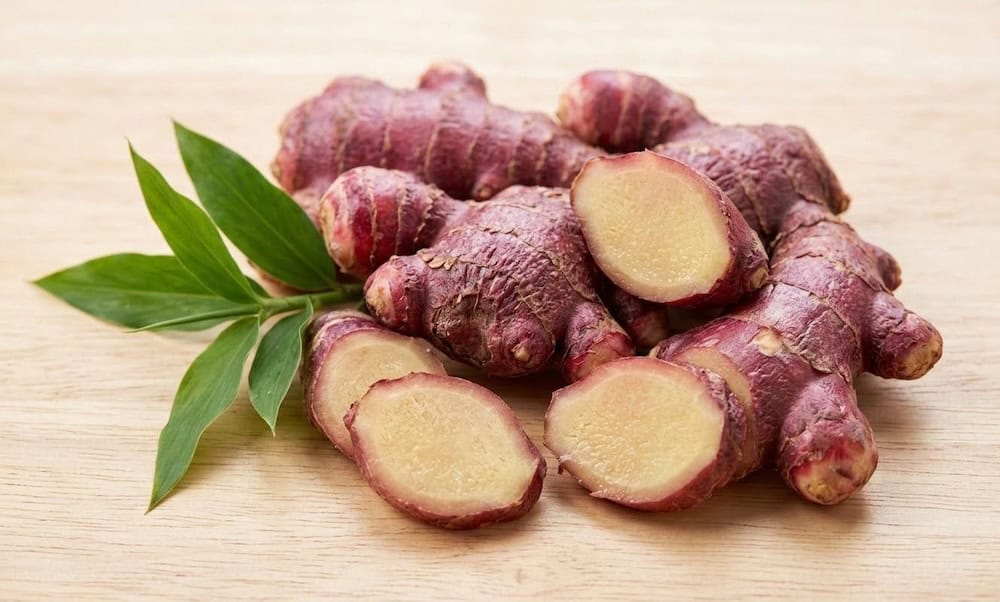
- Appearance: Red ginger has a distinctly reddish or purplish hue on its skin, caused by anthocyanidins concentrated in its outer peel. Regular ginger is uniformly pale and yellow.
- Flavour and pungency: Red ginger is sharper, more fibrous and considerably more pungent. It is not subtle. The bite is immediate and lasting.
Active compounds:
- Red ginger contains the highest essential oil content among all ginger varieties, ranging from 2.58 to 3.90 percent. That concentration is what drives its stronger therapeutic profile.
Also read:
- Black Ginger: What is it, Benefits, & Nutritional Value
- Blue Ginger: What is it, Benefits, & Nutritional Value
Nutritional Value of Red Ginger
Red ginger is not a high calorie food. What it delivers is function, not fuel. Its nutritional value lies in what its compounds do at a cellular level rather than in macronutrient numbers.
Key nutrients found in red ginger include:
- Dietary fibre, which supports gut regularity and feeds beneficial gut bacteria
- Vitamins and minerals, including vitamin C and essential amino acids
- Natural antioxidants that help counteract oxidative damage in the body
The bioactive compounds that drive its benefits are where the science gets interesting. A comprehensive review in Molecules (MDPI, via PMC) identified 169 distinct chemical constituents in red ginger. The standouts are:
- Gingerol, the primary pungent compound and the one most associated with anti-inflammatory and antioxidant activity
- Shogaol, which forms when gingerol is heated or dried, is often considered more potent than its precursor
- Zingerone, milder in character but meaningful in its antioxidant contribution
- Polyphenols, including quercetin, kaempferol, catechin and rutin, plant compounds with broad protective properties
How Does Red Ginger Work?
Red ginger does not work through a single pathway. It works through several simultaneously, which is part of what makes it compelling.
Its anti-inflammatory properties come from gingerol and shogaol interfering with pro-inflammatory signalling molecules. Its antioxidant activity stems from phenolic compounds that neutralise free radicals before they cause cellular damage. This free radical scavenging activity has been documented across multiple studies. It is particularly relevant for skin health and the ageing process.
Digestive support mechanisms relate to ginger’s established ability to ease gut motility, reduce nausea and soothe the gastric lining. And its effects on circulation and metabolism are currently one of the more active areas of scientific inquiry.
What are the Potential Health Benefits of Red Ginger?
Rich Source of Antioxidants
Oxidative stress accelerates aging. It damages skin cells, contributes to inflammation and depletes the body’s repair capacity. Red ginger’s polyphenol and gingerol content gives it genuine antioxidant weight.
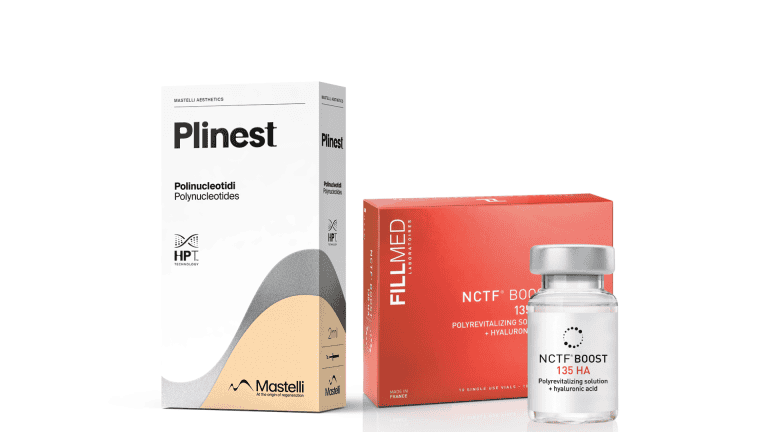
At Clique Clinic, where treatments like PDRN boosters and skin boosters are designed to support cellular repair and skin renewal, the idea of reinforcing that process from within through diet is something our doctors discuss regularly with patients.
May Support Immune Health
Traditional communities across Malaysia and Indonesia have long used red ginger during illness as a natural remedy for colds and respiratory complaints.
The science now offers a partial explanation: its immunomodulatory bioactive compounds appear to support and regulate the body’s innate immune responses. It will not replace medical treatment, but it can support daily wellness alongside it.
May Help Support Digestive Health
Bloating, nausea and general digestive discomfort are among the most commonly reported complaints at any wellness clinic. Red ginger has a documented history of use for indigestion and nausea, and this is one of its most consistently observed benefits across both traditional knowledge and emerging clinical research.
May Help Support Healthy Circulation
Red ginger has demonstrated antihypertensive and antihyperlipidemic properties in scientific review, meaning it may play a role in supporting healthy blood pressure and lipid levels. Traditional use across the region also pointed in this direction long before the laboratory caught up.
May Support Joint and Muscle Comfort
Published research in the Journal of Medicinal Food found that red ginger extract suppressed inflammatory markers in arthritis models and reduced acute swelling responses. For those with active lifestyles in Malaysia’s humid, high-intensity climate, or for patients recovering from body sculpting or RF microneedling procedures, anti-inflammatory nutritional support is a genuinely useful addition.
May Support Metabolic Health
A study in the Biomedical and Pharmacology Journal identified 11 bioactive compounds in red ginger rhizome extract, including gallic acid, naringenin, 6 shogaol and quercetin. Together these compounds showed promise as a phytotherapy candidate for addressing obesity-related metabolic parameters. The research is early stage, but the trajectory is notable.
What Does Research Say About Red Ginger?
The evidence base is growing quickly. The landmark review in Molecules (MDPI, via PMC) remains the most comprehensive single resource on red ginger’s chemistry and bioactivity, cataloguing 169 constituents and documenting therapeutic evidence across inflammatory diseases, cardiovascular conditions and antimicrobial activity.
Anti-inflammatory mechanisms are examined in rigorous detail in the Journal of Medicinal Food. Immune-related effects are addressed in a PMC study on red ginger as a natural immunomodulatory agent. Metabolic research is progressing through institutions across Southeast Asia, with findings regularly surfacing in PubMed indexed journals.
How to Consume Red Ginger?
There is no single correct format. The right choice depends on your goal and your lifestyle.
- Fresh red ginger: grate into warm water, soups or fresh juice for immediate use
- Red ginger tea: steep sliced rhizome in hot water with lime and honey
- Red ginger powder: stir into smoothies, warm drinks or oatmeal for daily convenience
- Red ginger extract: more standardised and concentrated, suited for targeted supplementation
- Functional foods and supplements: widely available across Malaysia in capsule, tonic and sachet form
Is Red Ginger Safe?
Red ginger carries few reported adverse side effects, which reflects its long history of human use in traditional medicine. At moderate intake levels, most healthy adults tolerate it well. Very high amounts may cause mild gastric irritation in sensitive individuals.
Who Should Consult a Healthcare Professional?
- Pregnant individuals, as ginger compounds may influence uterine activity at elevated doses
- People on blood thinning medications, given ginger’s mild effect on platelet aggregation
- Individuals with gallstones, bleeding disorders or other relevant medical conditions
When in doubt, speak to a doctor before introducing any new supplement to your routine.
Frequently Asked Questions
Is Red Ginger healthier than regular ginger?
Not categorically healthier, but more concentrated. Its higher essential oil content makes it a more potent therapeutic ingredient, which is why it tends to appear in health formulations rather than everyday cooking.
Can Red Ginger help with immunity?
Traditionally yes, and science is beginning to support that. Its immunomodulatory compounds appear to support the body’s natural defences, though it is a complement to, not a replacement for, proper medical care.
Can Red Ginger support digestion?
Yes. Traditional and emerging evidence both point to its benefits for indigestion, bloating and nausea. It is one of red ginger’s most consistent and well-observed uses.
Is Red Ginger safe to consume daily?
For most healthy adults, yes, at moderate amounts. Those with underlying health conditions or who take regular medication should seek professional advice before starting a daily regimen.
What nutrients are found in Red Ginger?
Dietary fibre, vitamin C, essential amino acids and a concentrated range of bioactive compounds including gingerol, shogaol, zingerone and polyphenols.
Final Thoughts
Red ginger is a rhizome with a genuinely layered chemical profile, one that supports immunity, digestion, circulation and metabolic health in ways science is only beginning to fully map.
At Clique Clinic, we understand that great skin and lasting wellness rarely come from a single treatment or a single ingredient. They come from the combination of what you do in the clinic and how you support your body between appointments.
That is precisely why our Meal Surveillance programme exists: to help you build the nutritional foundation that makes every treatment work harder.
If you would like to understand how your diet, your lifestyle and your skincare treatments can work together, our Clique doctors are ready to help. Reach out via WhatsApp and let’s have that conversation.