Snail Mucin For Skin: All You Need to Know
Key takeaways:
- Snail mucin (snail secretion filtrate) is a skincare ingredient rich in glycoproteins, hyaluronic acid, peptides, and antioxidants that support skin repair and hydration.
- It helps improve skin texture, strengthen the skin barrier, and enhance overall hydration, making skin appear smoother and more resilient.
- Snail mucin is suitable for sensitive, acne-prone, and post-treatment skin, as it supports healing and reduces irritation.
- It works well alongside other ingredients such as hyaluronic acid, providing both hydration and regenerative support.
- Consistent use can lead to healthier, more hydrated, and radiant skin over time, especially when combined with professional treatments.
Introduction
Since a decade ago, snail mucin has moved from a niche curiosity into a staple in modern skincare, especially within Korean beauty formulations.
Once regarded with apprehension, it is now widely recognised for its ability to hydrate, repair, and support skin regeneration in a way that feels both gentle and effective.
From lightweight essences to concentrated serums and deeply nourishing creams, snail mucin skincare products are designed to improve skin texture, restore hydration, and enhance overall skin health.
In aesthetic practice, including at Clique Clinic in Malaysia, ingredients like snail mucin are often recommended as supportive home care to complement in-clinic treatments such as lasers, micro-needling, and skin boosters.
But what exactly makes this ingredient so compelling, and is it truly worth the hype?
What Is Snail Mucin in Skincare?
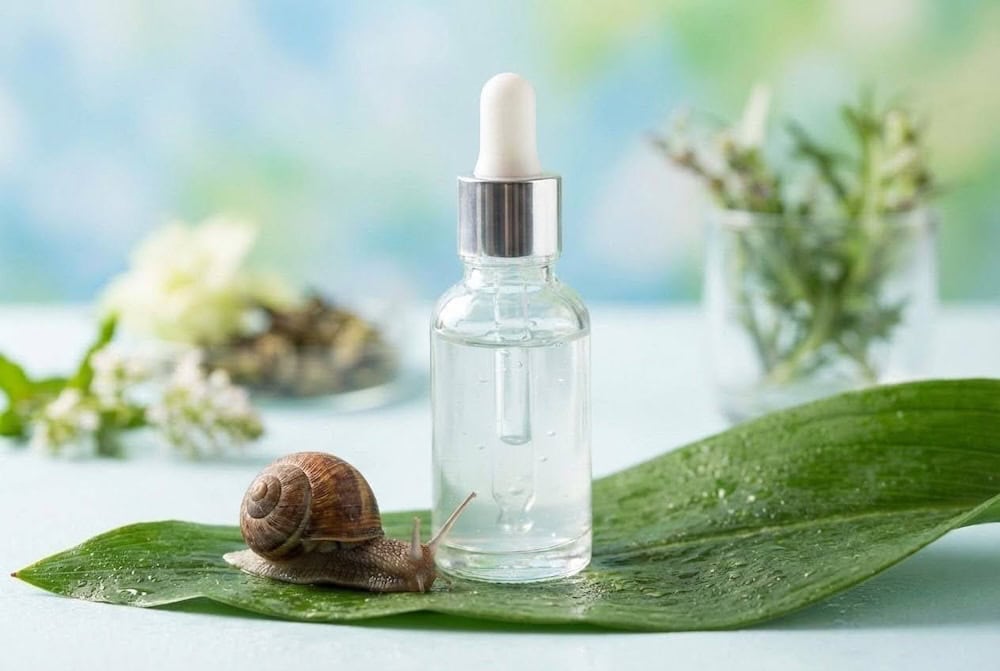
Snail mucin, often referred to as snail secretion filtrate, is a natural substance produced by snails. In skincare, it is carefully purified and formulated into a product that delivers a range of skin benefits.
But why and what is snail mucin? Well, the answer lies in its composition. It is rich in biologically active compounds such as:
- Glycoproteins that support skin repair
- Hyaluronic acid that attracts and retains moisture
- Antioxidants that help protect against environmental stress
- Peptides that may support collagen production
These components work together to enhance hydration, strengthen the skin barrier and support regeneration. This multi-functional profile makes snail mucin skincare continue to gain traction among both consumers and medical aesthetic practitioners.
For further scientific insight into snail mucin benefits for skin, read Advancing Discovery of Snail Mucins Function and Application.
What Is Snail Secretion Filtrate?
Snail secretion filtrate is the refined and purified form of snail mucin used in skincare formulations. During processing, impurities are removed while preserving the beneficial compounds that contribute to skin repair and hydration.
In snail secretion filtrate skincare, the focus is on delivering consistent and stable concentrations of these active ingredients, ensuring safety and efficacy.
This makes it suitable for incorporation into professional skincare routines, especially for patients undergoing treatments at clinics like Clique Clinic, where post-procedure skin support is essential.
How Does Snail Mucin Work on the Skin?
Snail mucin for skin works through several mechanisms that target both immediate hydration and long-term skin resilience.
- It acts as a humectant, drawing moisture into the skin
- It supports the repair of damaged and compromised skin barriers
- It enhances skin elasticity by supporting collagen production
- Long-term use promotes smoother and more hydrated skin
This combination of actions makes it particularly useful after procedures such as RF micro-needling or laser treatments offered at Clique Clinic, where the skin requires both hydration and recovery support.
Snail Mucin Benefits for Skin
The popularity of snail mucin is not accidental, as snail mucin’s benefits for skin are both visible and cumulative, making it suitable for a wide range of skin concerns.
Key Benefits
- Hydration: Daily use helps maintain optimal moisture for the skin, preventing dehydration and supporting plump, supple skin.
- Skin repair: It supports healing processes, making it ideal for irritated or compromised skin.
- Improved texture: Regular use can smooth rough or uneven skin, resulting in a softer and more refined appearance.
- Collagen support: Certain components may stimulate fibroblast activity, which is crucial for maintaining skin elasticity.
- Radiance boost: By improving hydration and texture, it contributes to a healthier, overall more luminous complexion.
For a relevant clinical discussion on how snail mucin contributes to skin repair mechanisms, read: Chemical Variability and Biological Potential of Cornu aspersum Mucus as a Source for the Development of New Cosmetic and Pharmaceutical Products.
In clinical settings like Clique Clinic, these benefits align well with treatments aimed at rejuvenation and skin quality improvement, such as PDRN boosters and skin boosters.
Is Snail Mucin Better Than Hyaluronic Acid?
The debate between snail mucin vs hyaluronic acid is common, but the truth is that they serve slightly different roles.
Hyaluronic acid is undeniably a hydration powerhouse. It excels at attracting water and keeping the skin plump.
Snail mucin, on the other hand, offers hydration alongside repair and regenerative benefits. It does more than moisturise, as it helps the skin recover and strengthen over time.
In practice, both ingredients complement each other beautifully. Our doctors recommend incorporating both for optimal results post-treatment regimens at Clique Clinic.
Snail Mucin for Acne Prone Skin
For those dealing with breakouts, snail mucin can be surprisingly beneficial.
- It helps soothe inflammation and redness.
- It supports barrier repair, which is often compromised in acne-prone skin.
- It provides hydration without being overly greasy, especially in well-formulated products.
Snail mucin for acne scars is also gaining attention due to its role in supporting skin regeneration and improving texture over time.
Our patients undergoing acne treatments such as laser therapy or micro-needling are often advised to use gentle, reparative ingredients like snail mucin to support recovery and reduce downtime.
Can Snail Mucin Help with Acne Scars?
While snail mucin is not a standalone solution for deep acne scars, it plays a supportive role.
- It encourages skin renewal.
- It improves overall skin texture.
- It enhances the effectiveness of clinical treatments.
For more significant acne scarring, combining topical care with procedures like RF micro-needling or laser resurfacing at Clique Clinic yields more noticeable results.
Is Snail Mucin Suitable for Sensitive Skin?
Yes, our doctors find that snail mucin for sensitive skin patients is generally well tolerated.
Its soothing and reparative properties help calm irritation while strengthening the skin barrier.
This makes it suitable for individuals experiencing redness, dryness, or post-treatment sensitivity.
However, as with any skincare ingredient, formulation matters. A well-formulated product with minimal irritants is key, so check for added fragrances, oils or alcohol in the product or patch test before using it.
Are There Any Side Effects of Snail Mucin?
Snail mucin side effects are relatively rare, but they can occur.
Possible concerns include:
- Mild irritation in individuals sensitive to animal by-products
- Allergic reactions in rare cases
- Breakouts if the formulation is too heavy or not suitable for your skin type
A common question is, can snail mucin cause breakouts? The answer depends largely on the product formulation and your individual skin response. Lightweight, well-formulated products are less likely to clog pores.
As a rule, patch testing is recommended before introducing a new product into your routine.
How to Use Snail Mucin in Your Skincare Routine?
Snail mucin serum and related products are versatile and easy to incorporate into daily routines.
Basic Routine Integration
- Cleanse skin thoroughly
- Apply toner if part of your routine
- Use a snail mucin serum or essence
- Follow with moisturiser to lock in hydration
- Apply sunscreen during the day
Consistency is key. Over time, regular use can lead to smoother, more hydrated skin.
Who Should Consider Using Snail Mucin?
Snail mucin is suitable for a wide range of individuals, particularly:
- Those with dehydrated or dull skin
- Individuals with compromised skin barriers
- People recovering from aesthetic treatments
- Those looking to improve skin texture and radiance
Its versatility makes it an excellent addition to both basic and advanced skincare routines.
Final Thoughts
Once a trending ingredient, snail mucin is now a scientifically supported, multi-functional skincare ingredient that delivers hydration, repair, and overall skin improvement.
Whether you are dealing with dryness, sensitivity or seeking post-treatment recovery, it can support healthier, more resilient skin.
At Clique Clinic, we often see the best results when high-quality home care is paired with professional treatments. Skincare ingredients like snail mucin play a valuable role in maintaining and enhancing those results.
If you are unsure whether snail mucin is suitable for your skin, or if you are looking to address specific concerns such as acne scars, pigmentation, or ageing, it is worth speaking to a qualified medical aesthetic doctor.
Our Clique Clinic doctors are here to guide you with personalised advice and treatment options tailored to your skin’s needs: wa.me/60123537960.