Primrose (Evening Primrose Oil – EPO) for Skin: All You Need to Know
Key takeaways:
- Evening primrose oil (EPO) is rich in gamma linolenic acid (GLA), an essential fatty acid that supports skin barrier function and hydration.
- It helps reduce inflammation, improve skin resilience, and support recovery, making it suitable for sensitive, acne-prone, and eczema-prone skin.
- Evening primrose oil works by reinforcing the lipid barrier and reducing transepidermal water loss (TEWL).
- It can be used as part of a skincare routine to support dry skin, irritation, and post-treatment recovery.
- When used correctly, evening primrose oil helps maintain balanced, hydrated, and healthier-looking skin.
Introduction
Evening primrose oil, often referred to as EPO, is especially valued in both skincare and nutritional supplements for its high concentration of essential fatty acids, most notably gamma linolenic acid.
In modern skincare, primrose oil helps the skin function the way it was designed to. Whether you are dealing with dryness, sensitivity, or inflammation-driven concerns such as acne or eczema, primrose oil for skin offers a supportive role that works with the skin rather than against it.
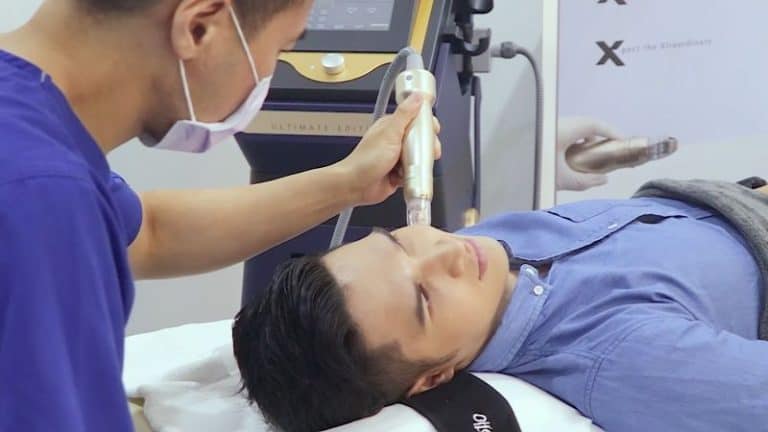
In aesthetic practice at Clique Clinic in Malaysia, where treatments such as lasers, skin boosters, and micro-needling are commonly performed, maintaining a strong skin barrier is critical.
This is where ingredients like evening primrose oil are useful, not as a replacement for treatments, but as a complementary support that enhances overall skin health.
What Is Evening Primrose Oil?
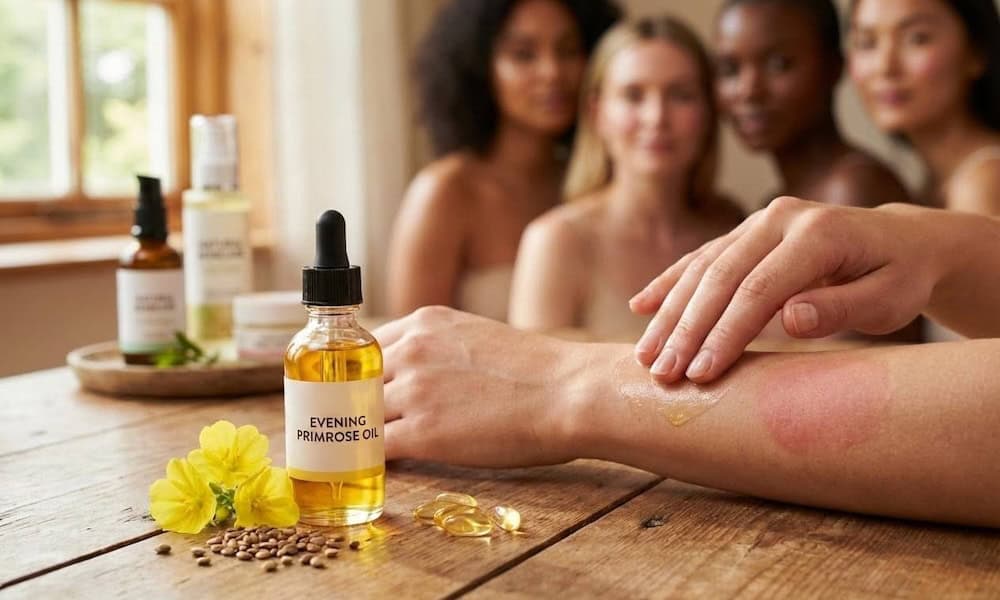
Evening primrose oil is a natural oil extracted from the seeds of the Oenothera biennis plant. It is rich in omega-6 fatty acids, particularly gamma linolenic acid, which plays a vital role in skin physiology.
Traditionally, it has been used for a wide range of purposes, from supporting hormonal balance to calming inflammatory skin conditions. Today, it is widely incorporated into evening primrose oil skincare products such as facial oils, creams, and serums.
Unlike heavier oils, it has a relatively lightweight profile when properly formulated, allowing it to support hydration without overwhelming the skin.
Why Is Gamma Linolenic Acid Important for Skin?
Gamma linolenic acid is the true powerhouse behind the benefits of evening primrose oil. When discussing gamma linolenic acid skin benefits, it is important to understand its role at a cellular level.
As a key fatty acid, it contributes directly to the structure and function of the skin barrier, which is responsible for preventing water loss and protecting against external irritants.
Key functions include:
- Supporting skin hydration by reducing transepidermal water loss [TEWL].
- Reinforcing the lipid matrix of the skin barrier.
- Calming inflammatory responses within the skin.
- Improving skin resilience and recovery after stress.
When the skin lacks essential fatty acids, it becomes dry and more prone to irritation. This is commonly observed in patients suffering from eczema or dermatitis. Supporting the skin with the right lipids can significantly improve recovery and overall results.
How Does Evening Primrose Oil Benefit the Skin?
The evening primrose oil benefits for skin are multifaceted, making it a versatile ingredient across different skin types and concerns.
- Dry Skin: Evening primrose oil helps replenish essential fatty acids that the skin may be lacking. This improves hydration levels and reduces skin flakiness, so the skin is softer.
- Sensitive Skin: Its anti-inflammatory properties help calm redness and irritation. For individuals with reactive skin, it acts as a buffer, strengthening the skin barrier against environmental stressors.
- Acne Prone Skin: While oils are often misunderstood in acne management, evening primrose oil for acne can be beneficial when used in the right formulation. Its calming properties help reduce inflammation, while its lightweight nature prevents excessive occlusion.
- Mature Skin: As the skin ages, lipid content naturally declines. This leads to dryness, loss of elasticity and subsequent fine lines. Since evening primrose oil supports the lipid barrier, it helps maintain smoother and more hydrated skin.
- Normal and Combination Skin: Even for those without major concerns, primrose oil for skin helps maintain balance. It provides hydration without heaviness, making it suitable for maintaining overall skin health.
Can Evening Primrose Oil Help Acne-Prone Skin?
The question often arises: can evening primrose oil cause breakouts, or does it actually help acne?
The answer lies in formulation and skin type.
Evening primrose oil for acne works primarily through its anti-inflammatory effects. Because acne is not only about clogged pores but is also an inflammatory condition, evening primrose oil can help reduce redness and support healing by first calming the inflammation.
Potential benefits include:
- Reducing inflammation associated with active breakouts.
- Supporting faster recovery of acne lesions.
- Strengthening the skin barrier, which is often compromised in acne patients.
However, it is important to note that while evening primrose oil is generally considered low to moderate on the comedogenic scale, improper formulations or overuse can contribute to congestion in some skin types.
For acne patients undergoing treatments such as chemical peels, lasers or medical-grade facials at Clique Clinic, the focus should always be on barrier repair and controlled inflammation.
Evening primrose oil can play a supportive role when used appropriately within a structured skincare plan.
Are There Any Side Effects of Evening Primrose Oil?
When discussing evening primrose oil side effects, it is important to differentiate between topical and oral use.
For topical skincare, evening primrose oil is generally well-tolerated.
Possible side effects include:
- Mild irritation in very sensitive individuals
- Rare allergic reactions
- Potential congestion if used in overly rich formulations
As with any skincare ingredient, patch testing is recommended before full application.
For oral supplements, additional considerations apply, including potential interactions with medications, so it is best to consult a medical professional.
How to Use Evening Primrose Oil in Your Skincare Routine?
Evening primrose oil serum and oil-based formulations are commonly used as part of a well-structured skincare routine.
Best practices include:
- Apply after water-based serums to lock in hydration.
- Use at night when the skin undergoes repair processes.
- Pair with barrier-supporting ingredients such as ceramides and hyaluronic acid.
- Avoid over-layering with heavy occlusive products if you are acne-prone.
Forms you may encounter include:
- Facial oils
- Moisturisers enriched with evening primrose oil
- Targeted serums
- Oral supplements
For patients receiving treatments such as micro-needling or laser procedures at Clique Clinic, incorporating a barrier-supportive routine post-treatment can significantly improve healing and comfort.
Who Should Consider Using Evening Primrose Oil?
Evening primrose oil is particularly beneficial for individuals who are looking to restore balance and resilience to their skin.
It is well-suited for:
- Dry or dehydrated skin types
- Sensitive or reactive skin
- Individuals with compromised skin barrier
- Those undergoing aesthetic treatments and needing recovery support
- People managing inflammatory conditions such as eczema
When it comes to evening primrose oil for eczema, its anti-inflammatory and barrier-repairing properties make it especially relevant. While it is not a cure, it can help reduce discomfort and improve skin condition when used consistently.
Final Thoughts
Evening primrose oil is a scientifically supported, nutrient-rich oil that works at a fundamental level to support skin health.
By reinforcing the skin barrier, improving hydration, and calming inflammation, it addresses some of the most common underlying causes of skin concerns: dryness, sensitivity, or post-treatment recovery.
At Clique Clinic, where advanced treatments such as lasers, injectables, and skin boosters are tailored to individual skin needs, topical skincare remains an essential part of achieving optimal results.
A well-guided approach often makes the difference between temporary improvement and long-term skin health. Do chat with our team for the best solution: wa.me/60123537960.