
Kegel Exercises: Benefits, How To & Results
Key takeaways:
- Kegel exercises strengthen the pelvic floor muscles that support bladder, bowel, and pelvic control.
- Both men and women may benefit, especially when pelvic floor weakness contributes to urinary leakage, postpartum changes, or recovery after prostate treatment.
- Correct technique matters more than doing many repetitions. The pelvic floor must contract and relax properly for training to work.
- Most people need several weeks of consistent practice before noticing improvement, with early changes often showing up as fewer leaks or better control.
- Kegels are not suitable for every pelvic floor problem. Muscles that are already overly tight may need relaxation rather than more strengthening.
- If symptoms persist despite regular exercises, further assessment can help determine whether pelvic floor physiotherapy, bladder training, or treatments such as Emsella may be appropriate.
Introduction
Kegel exercises look simple: tighten, hold, relax, repeat.
But the difference between doing them and doing them well is bigger than it seems.
Also known as pelvic floor exercises, Kegels strengthen the muscles that support the bladder, bowel, and reproductive organs. These muscles play a quiet but important role every day, helping you control urine, stool, and pressure through the pelvis.
For both men and women, weakness can show up as urinary leakage, reduced bowel control, or changes after childbirth, ageing, or prostate treatment.
The good news is that Kegels require no equipment and can be practised almost anywhere once you know which muscles to use.
The catch? More is not always better. Contracting the wrong muscles, holding your breath, or never allowing the pelvic floor to relax can make the exercise less effective.
So what should a good Kegel routine actually look like, and how long does it take to see results?
What Are Kegel Exercises?
Kegel exercises involve deliberately tightening, holding, and then relaxing the pelvic floor muscles.
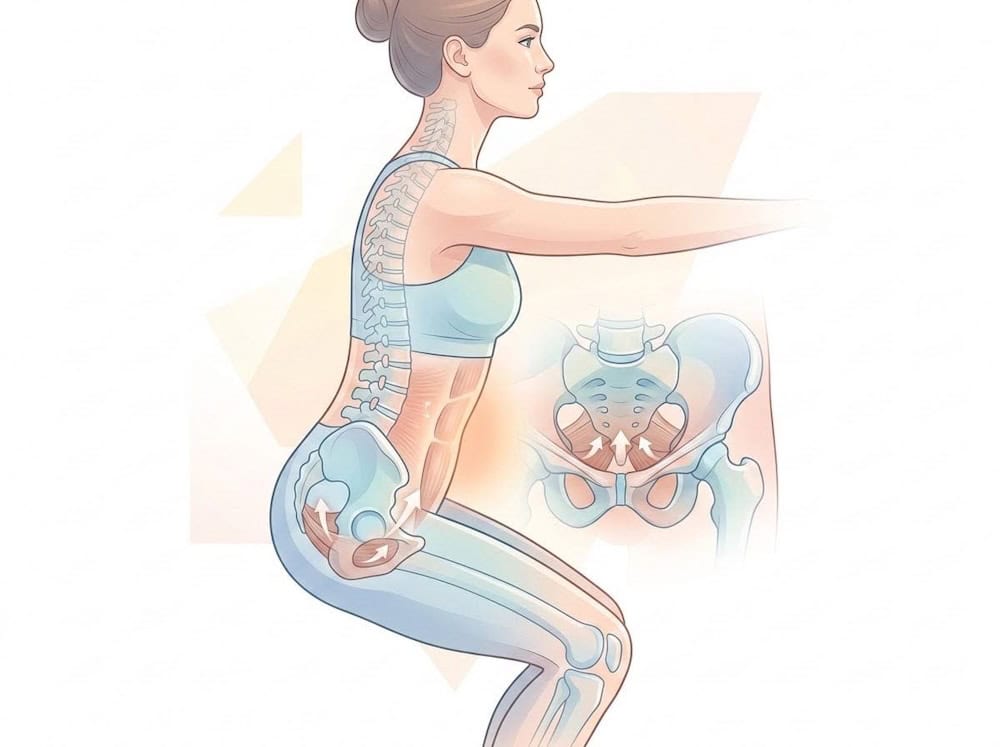
A useful way to picture the pelvic floor is as a hammock stretched across the base of the pelvis. It supports the bladder, bowel, and pelvic organs while helping control when you urinate, pass stool, or release gas.
These muscles can weaken with pregnancy, childbirth, ageing, pelvic surgery, and other changes over time.
Kegels work by training them just like any other muscle group: controlled contraction, full relaxation, and regular repetition.
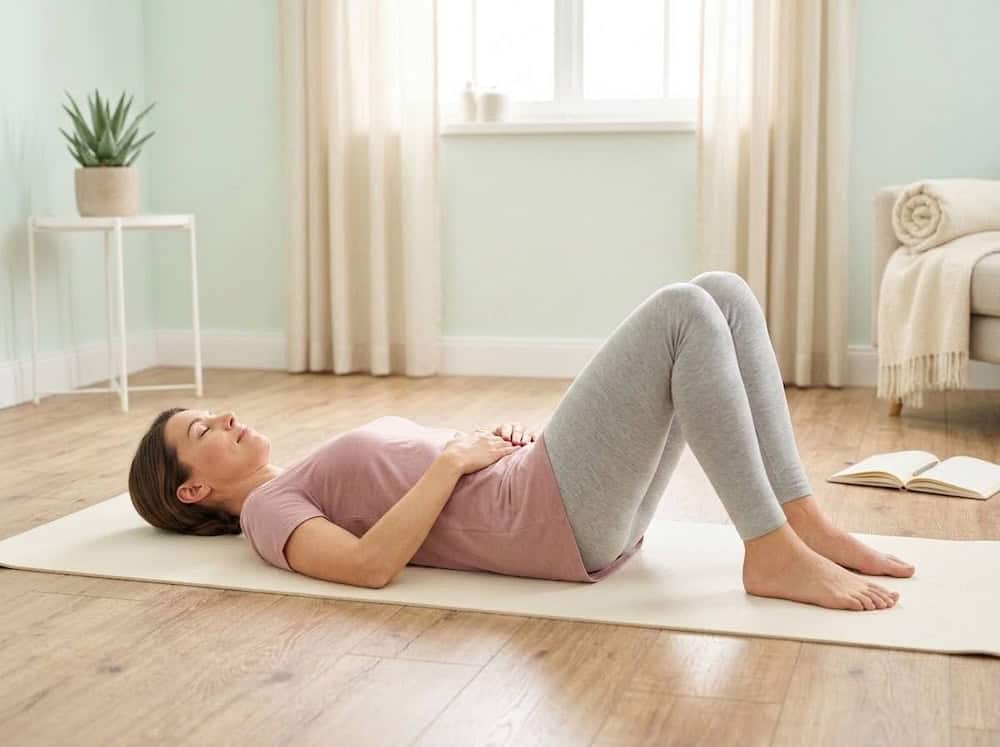
You can perform them lying down, sitting, or standing, which makes them easy to fit into daily life.
What Are the Benefits of Kegel Exercises?
The main benefits of Kegel exercises relate to improving pelvic floor strength, endurance, and control. That can matter in several different ways.
May Improve Bladder Control
If you leak when you cough, sneeze, laugh, or exercise, weak pelvic floor muscles may be part of the reason.
When pressure suddenly increases inside the abdomen, the pelvic floor helps support the bladder and urethra. If those muscles cannot respond strongly enough, urine may escape.
This is known as stress urinary incontinence.
Kegel exercises may help reduce leakage during activities such as:
- Coughing
- Sneezing
- Laughing
- Running
- Jumping
- Exercising
- Lifting heavy objects
They may also help some people manage urinary urgency by improving control long enough to reach the toilet.
Persistent leakage, however, should still be assessed because pelvic floor weakness is only one possible cause.
May Support Bowel Control
The pelvic floor also helps control the muscles around the anus and rectum.
If strength or coordination is reduced, controlling gas or stool can become more difficult.
Regular pelvic floor training may improve control in selected people with faecal incontinence.
The important point is that good bowel control requires both sides of the movement: being able to contract when needed and relax fully when it is time to pass stool.
Supports Recovery After Childbirth
Pregnancy and childbirth can place significant strain on the pelvic floor.
After delivery, some women notice leakage, reduced pelvic support, or a general feeling that the muscles are not responding as strongly as before.
Kegel exercises may help rebuild strength and control gradually. In fact, a 2026 study found that pelvic floor muscle training significantly improved pelvic floor strength and endurance in postpartum women, with supervised programmes lasting more than eight weeks showing the strongest gains in muscle strength.
Timing matters, though. Recovery after significant tearing, pelvic pain, or a complicated delivery should be individualised rather than rushed.
May Help Men After Prostate Treatment
Pelvic floor exercises are not just for women.
In men, these muscles are also involved in urinary control and can become especially important after certain prostate procedures.
Kegels are often included in rehabilitation to help men regain better control and reduce leakage or post-urination dribbling.
As with any post-surgical exercise, timing and intensity should follow the treating doctor’s advice.
May Support Sexual Function
The pelvic floor also contributes to sexual function and pelvic awareness.
Improving strength and control may support aspects of sexual response in both men and women, including better awareness of the muscles involved during sexual activity.
That does not make Kegels a guaranteed treatment for sexual dysfunction. Persistent concerns can have many causes and deserve proper assessment.
Who May Benefit From Kegel Exercises?
Kegels may be useful if you experience:
- Urine leakage during coughing, sneezing, laughing, or exercise
- Mild urinary urgency
- Pelvic floor weakness during or after pregnancy
- Urinary leakage following certain prostate procedures
- Reduced bowel control linked to pelvic floor weakness
- Clinically identified pelvic floor weakness
They are not, however, the answer to every pelvic symptom.
What Are the Signs of a Weak Pelvic Floor?
Possible signs include urine leakage during activity, difficulty holding urine when urgency appears, reduced bowel control, and changes in pelvic support after pregnancy or ageing.
Some women may also notice symptoms associated with pelvic organ prolapse.
But symptoms can overlap. An overly tight pelvic floor can sometimes cause issues that feel similar to weakness, which is why self-diagnosis is not always straightforward.
How to Do Kegel Exercises Correctly
The first goal is not to do more repetitions. It is to make sure you are using the right muscles.
Step 1: Find the Right Pelvic Floor Muscles
Imagine trying to stop yourself from passing gas. The muscles you tighten are part of your pelvic floor.
You can also briefly stop your urine stream once to help identify them.
However, do not make this your regular exercise. Repeatedly interrupting urination can prevent the bladder from emptying completely and may increase the risk of infection.
Step 2: Contract Without Tensing Other Muscles
Tighten the pelvic floor while keeping your abdomen, thighs, and buttocks as relaxed as possible.
Continue breathing normally. Holding your breath or bearing down can shift pressure in the wrong direction.
Step 3: Hold, Then Relax Fully
Start with a controlled contraction for around three seconds. Then release completely for about the same amount of time. That relaxation phase matters just as much as the squeeze.
As control improves, gradually increase the hold rather than forcing long contractions from day one.
Step 4: Repeat Consistently
Work towards regular sets throughout the day.
You can practise while lying down, sitting, or standing. Using different positions gradually challenges the muscles under different conditions.
How Many Kegels Should You Do a Day?
There is no perfect number for everyone.
A practical starting point is around 8 to 15 controlled contractions per session, repeated two to three times a day, depending on your strength and symptoms.
The key is quality.
A smaller number of controlled contractions with complete relaxation is more useful than dozens of rushed or poorly performed repetitions.
What Are the Most Common Kegel Exercise Mistakes?
Kegels may be simple, but several common mistakes can reduce their effectiveness:
- Tightening the abdomen, thighs, or buttocks instead
- Holding your breath
- Forgetting to relax between contractions
- Exercising inconsistently
- Regularly practising while urinating
- Increasing repetitions too aggressively
- Expecting immediate results
- Continuing despite pain or difficulty emptying the bladder
One especially common mistake is assuming more Kegels must mean faster progress.
They do not.
Too many contractions can increase muscle tension and make urination, bowel movements, or pelvic relaxation more difficult, particularly if the pelvic floor is already overactive.
How Long Do Kegel Exercises Take to Work?
Kegels are gradual, not instant.
Some people begin noticing better bladder control after around 3–6 weeks of consistent practice.
Early progress may be practical rather than dramatic: fewer leaks when coughing, more time to reach the toilet, or better control when contracting the muscles.
More significant improvement can take longer.
If you have practised consistently for several weeks without any change, the problem may be technique or something other than simple pelvic floor weakness.
When Should You Get Your Pelvic Floor Assessed?
If you have been doing Kegels consistently but the leakage is still there, the answer is not always to squeeze harder or do more repetitions.
It may be time to get your pelvic floor assessed if symptoms:
- Continue or become more frequent
- Start affecting exercise, work, or everyday routines
- Come with pelvic pain or pressure
- Make it difficult to empty the bladder
- Include bowel-control problems
- Suggest pelvic organ prolapse
Sometimes the issue is not simply weak muscles. The pelvic floor may be poorly coordinated, overly tight, or affected by another bladder or pelvic condition.
A proper assessment can help work out what your pelvic floor actually needs, whether that means improving your Kegel technique, pelvic floor physiotherapy, biofeedback, bladder training, or another form of support.
At Clique Clinic, we can assess what may be contributing to your symptoms and whether your current pelvic floor routine is appropriate. From there, we can recommend the next step based on your symptoms, medical history, and treatment goals.
Where additional support is needed, a non-invasive option such as Emsella may be considered as part of a broader pelvic floor plan.
Also read: Emsella Benefits & Differences From Other Treatments.
FAQ
Can Kegel exercises help with pelvic organ prolapse?
They may improve pelvic support and symptoms in some women with mild prolapse, but they cannot physically reposition significantly prolapsed organs.
Are Kegel exercises enough for urinary incontinence?
Sometimes. They can be effective when pelvic floor weakness contributes to stress urinary incontinence, but persistent leakage may require further assessment.
Do Kegel exercises improve sexual function?
They may support sexual function by improving pelvic floor strength and control, but they are not a guaranteed treatment for sexual concerns.
Can you do Kegel exercises and Emsella together?
Potentially, yes. Kegels may continue as a home routine while Emsella provides additional clinic-based pelvic floor stimulation when appropriate.
Can Kegel exercises help with pelvic floor weakness after menopause?
They may help when menopause-related changes are accompanied by pelvic floor weakness or urinary leakage.
Should you stop Kegel exercises if they cause pain?
Yes. Kegels should not cause pain, pressure, or difficulty urinating. Stop and seek assessment if symptoms worsen.
Final Thoughts
Kegel exercises are simple, but good pelvic floor training is about much more than squeezing repeatedly.
The aim is to build strength, coordination, and control while still allowing the muscles to relax properly.
For both men and women, regular pelvic floor exercises may improve bladder and bowel control when weakness is part of the problem. Results usually take time, so consistent, well-controlled practice matters more than chasing high repetition counts.
And if Kegels are not helping, that does not automatically mean you need to do more.
A personalised pelvic floor assessment at Clique Clinic can help identify what may be contributing to your symptoms and whether additional support, including non-invasive treatments, may be appropriate.
From there, we can tailor your treatment plan to your symptoms, pelvic floor strength, and daily needs.
Contact us to book a personalised pelvic floor assessment and take the next step towards better control and confidence.