Red Rice vs Brown Rice: Which Is Healthier for Weight Loss and Meal Planning?
Key takeaways:
- Red rice and brown rice are both healthier whole-grain alternatives to refined white rice.
- Red rice contains anthocyanins, antioxidant compounds linked to overall wellness and healthy ageing.
- Both rice types provide fibre and slower-digesting carbohydrates that support fullness and steadier energy levels.
- Red rice may have a slightly lower glycemic impact, though meal composition matters more than GI alone.
- Brown rice is often preferred for meal prep because of its mild flavour and versatility.
- Sustainable weight management depends more on balanced meals and portion consistency than choosing one “perfect” grain.
- Clique Clinic supports healthier long-term eating habits through personalised nutrition and meal-planning guidance.
Introduction
If you have ever tried to make healthier food choices, chances are you have considered switching from white rice to either red rice or brown rice.
Both are commonly promoted as healthier alternatives because they are whole grains, meaning they retain more fibre and nutrients than heavily refined white rice. But while they are often grouped nutritionally, red rice and brown rice are not exactly the same.
They differ slightly in antioxidant content, texture, glycemic impact, and how they fit into different eating habits, particularly for individuals focusing on weight management, blood sugar balance, or structured meal planning.
Understanding those differences helps healthy eating feel less confusing and far more sustainable long-term.
Red Rice vs Brown Rice: What’s the Main Difference?
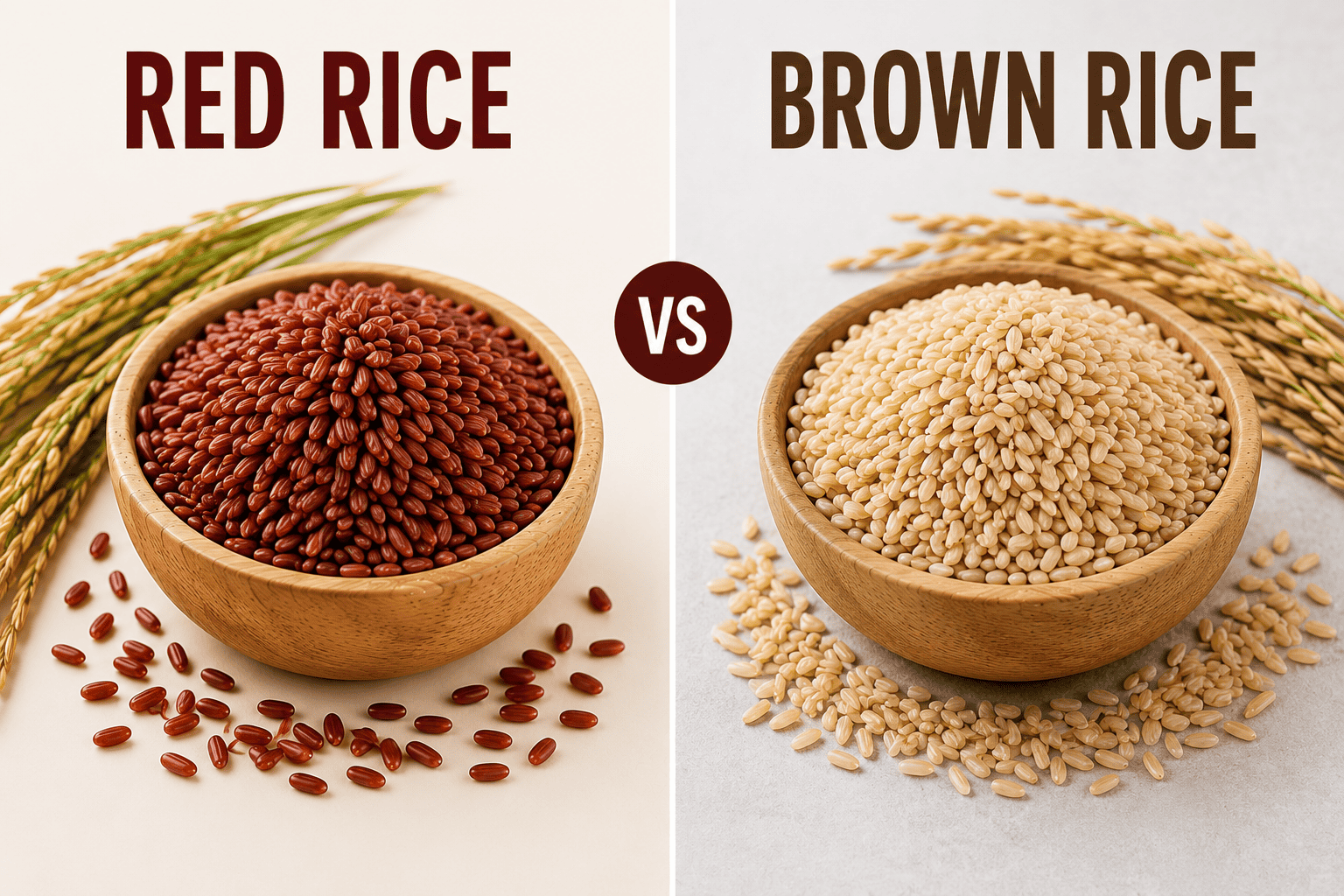
At first glance, red rice and brown rice look fairly similar nutritionally. Both are minimally processed whole grains that retain their bran layer, which is where much of their fibre and nutrients are found.
The biggest visible difference comes down to pigment compounds.
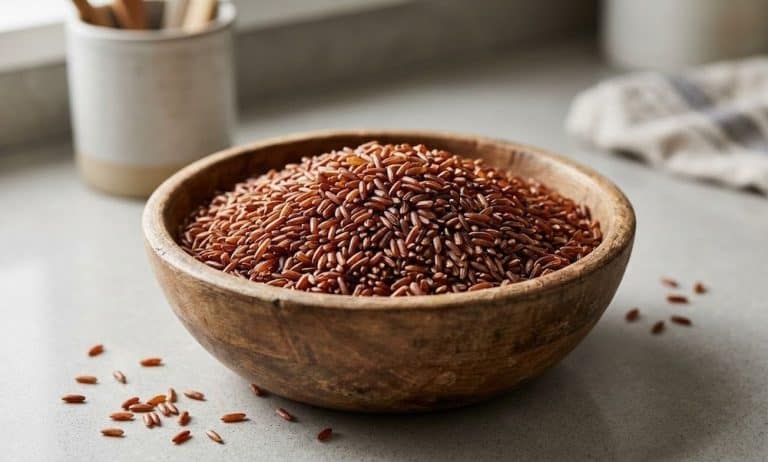
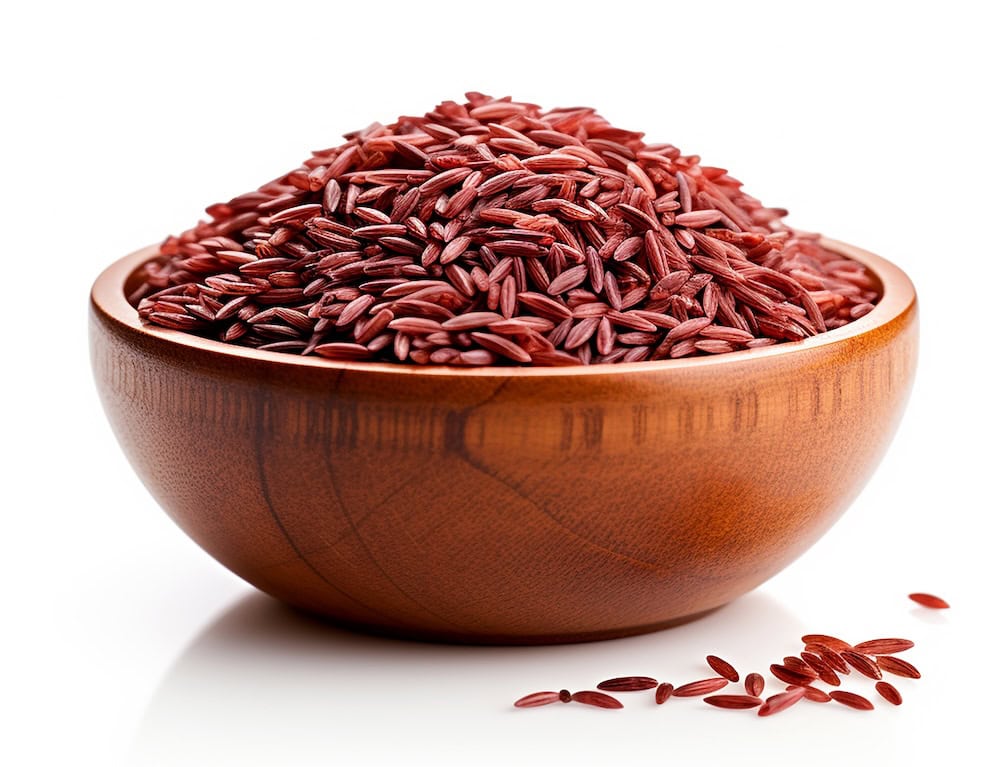
Red rice contains anthocyanins, naturally occurring antioxidants responsible for its reddish colour. These are the same types of compounds found in foods like blueberries, blackberries, and purple cabbage.
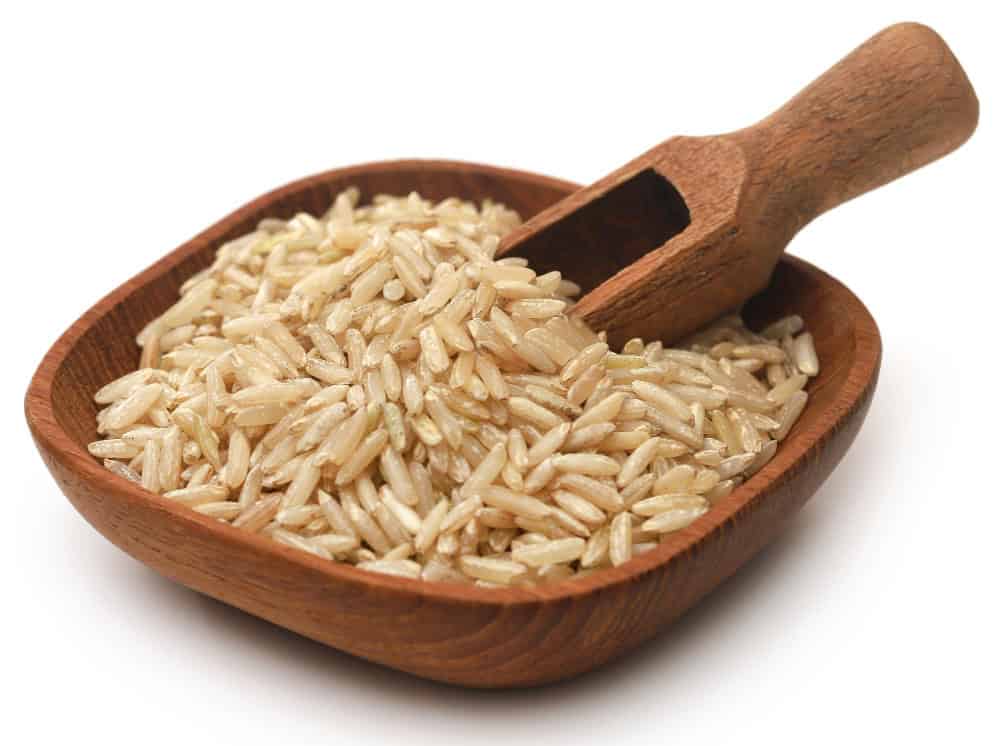
Brown rice, meanwhile, keeps its bran layer but lacks the same level of anthocyanin pigments. Its nutritional profile is still strong, just slightly different in focus.
In practical terms:
- Red rice leans slightly more toward antioxidant-rich nutrition
- Brown rice tends to be more neutral, versatile, and widely available
Neither is dramatically “better”. Both can support healthier dietary habits when included consistently as part of balanced meals.
Red Rice vs Brown Rice Nutrition Comparison
| Feature | Red Rice | Brown Rice |
| Fibre | Naturally high | Naturally high |
| Antioxidants | Higher due to anthocyanins | Moderate |
| Protein | Moderate | Moderate |
| Processing | Minimally processed | Minimally processed |
| Texture | Firmer, nuttier | Softer, milder |
| Glycemic impact | Generally lower | Moderate |
Both options provide complex carbohydrates that digest more slowly than refined white rice, which is one reason they are commonly included in balanced and wellness-focused eating plans.
Which Has More Antioxidants: Red Rice or Brown Rice?
Red rice generally contains more antioxidants because of its anthocyanin content.
Anthocyanins are the same class of antioxidants found in colourful whole foods like berries and purple vegetables, and they are commonly studied for their role in protecting cells against oxidative stress.
As of 2026, research continues to associate anthocyanin-rich dietary patterns with potential cardiovascular and metabolic wellness benefits, though overall diet quality still matters far more than any single ingredient.
Brown rice still contains antioxidants through its bran layer, but usually at lower levels compared to red rice.
Which Rice Has More Fibre?
The difference here is actually smaller than most people expect.
Both red rice and brown rice are naturally higher in fibre than white rice because they retain their outer bran layer.
On average, cooked brown rice contains roughly 1.5–2g of fibre per 100g, while some red rice varieties may contain slightly higher amounts depending on the type and processing method.
That fibre matters because it helps support:
- fullness after meals
- slower digestion
- steadier energy levels
This is one reason why whole grains are commonly recommended in structured meal planning and weight-conscious diets.
Red Rice vs Brown Rice: Which Keeps You Fuller Longer?
Both types of rice may help improve satiety compared to refined carbohydrates because whole grains digest more slowly.
Some individuals find red rice slightly more filling because of its firmer texture and denser mouthfeel, while brown rice tends to feel lighter and softer in meals.
However, satiety is rarely determined by rice alone.
Protein intake, vegetables, healthy fats, meal composition, and portion size all influence satiety far more significantly than choosing one grain over another.
In other words, a balanced meal will almost always matter more than searching for one “perfect” carbohydrate source.
Red Rice vs Brown Rice for Blood Sugar Balance
Both red rice and brown rice generally have a lower glycemic impact than refined white rice because they contain more fibre and are digested more slowly.
Brown rice typically has a glycemic index (GI) ranging from around 50–68, while some red rice varieties may fall slightly lower due to their fibre and anthocyanin content.
That said, the difference is not dramatic enough to rely on rice choice alone for blood sugar control.
In real life, meal composition matters far more.
Pairing carbohydrates with protein, vegetables, and healthy fats usually creates a more balanced blood sugar response than focusing exclusively on GI numbers.
For individuals managing diabetes or insulin resistance, portion balance and overall dietary consistency remain especially important.
Is Red Rice Better Than Brown Rice for Weight Loss?
Not necessarily.
Despite what wellness trends sometimes suggest, no rice directly causes weight loss on its own.
Both red rice and brown rice can fit comfortably into weight-conscious eating plans because they provide fibre and slower-digesting carbohydrates that may help improve fullness after meals.
Because whole grains digest more gradually than refined carbohydrates, they may also help reduce rapid spikes and crashes in hunger levels throughout the day.
Still, sustainable weight management depends far more on:
- overall calorie intake
- meal balance
- consistency
- portion awareness
- lifestyle habits
than choosing one specific “healthy” grain.
In other words, the “best” rice for weight loss is usually the one you can realistically include long-term without feeling overly restricted.
Which Rice Fits Better Into Meal Planning?
This honestly comes down to lifestyle and preference more than strict nutrition rules.
Brown rice is often easier for beginners transitioning away from white rice because its flavour is milder, softer, and more familiar. It works extremely well in meal prep because it pairs easily with almost anything.
Red rice, meanwhile, is often preferred in more wellness-focused meals because of its nuttier texture and antioxidant profile. It tends to feel slightly more premium and nutrient-focused.
Both work well in:
- grain bowls
- balanced lunches
- portion-conscious meals
- protein-focused meal prep
The more important factor is consistency. The healthier choice is usually the one that fits naturally into your routine without making healthy eating feel unnecessarily complicated.
Also read: Purple Rice: Nutrition, Health Benefits, and Why It’s Considered a Superfood.
Can You Eat Red Rice or Brown Rice Every Day?
For most healthy individuals, yes.
Both red rice and brown rice can comfortably be included as part of a balanced long-term diet. They are whole grains, not ultra-processed “diet foods”, which makes them far easier to sustain regularly.
That said, dietary variety still matters.
Rotating carbohydrate sources and maintaining balanced meals generally provides broader nutritional support than relying too heavily on one single food.
At Clique Clinic, we often emphasise that sustainable nutrition is less about restriction and more about consistency, structure, and realistic eating habits that can actually be maintained long-term.
Final Thoughts
Red rice and brown rice are both solid whole-grain options that fit naturally into healthier eating habits.
Red rice offers slightly higher antioxidant content, while brown rice is widely appreciated for its versatility, accessibility, and familiarity. But the nutritional gap between them is much smaller than wellness culture sometimes makes it seem.
The more important question is not “which rice is healthiest?” but rather: which one helps you eat more consistently and sustainably?
Because long-term health is rarely built around one “perfect” ingredient, it is built around realistic routines, balanced meals, and habits you can actually maintain.
For individuals looking to improve their eating habits in a more structured and sustainable way, Clique Clinic offers personalised nutritional guidance and meal-planning support tailored to individual lifestyles and long-term wellness goals.
Looking to build healthier eating habits without restrictive dieting? Explore Clique Clinic’s personalised nutrition and meal surveillance support designed to fit realistically into your lifestyle and health goals.