
Dark Eye Circles: Causes, Skincare & Non-Surgical Treatments
Summary
Dark eye circles, characterised by darkened skin beneath the eyes, result from factors like genetics, ageing, hyperpigmentation, poor circulation, and structural changes. They differ from eye bags, which involve puffiness. Common triggers include sleep deprivation, allergies, UV exposure, and lifestyle habits like smoking.
Treatments range from home remedies—eye creams and hydration—to professional non-surgical options, including dermal fillers, laser treatments, skin boosters, and radiofrequency microneedling. Effective management typically requires personalised consultation with aesthetic professionals to determine the most suitable treatment.
Although challenging to eliminate completely, targeted interventions can significantly improve the appearance and restore confidence.
Our eyes are the windows to our souls. They are an essential component of our facial definition and beauty aesthetic. In fact, they relay our feelings and emotions in subtle ways.
Introduction
Dark eye circles are a prevalent aesthetic condition that affects many individuals of all genders and ages worldwide. Often caused by genetic predisposition, hyperpigmentation, vascular issues, and structural shadowing, they make individuals appear older and tired.
In Malaysia, dark eye circles are a notable cosmetic concern among its multi-ethnic population—especially Malays, Chinese, and Indians. Fortunately, several interventions (both non-invasive and minimally invasive) exist to address this issue.
What are dark eye circles?
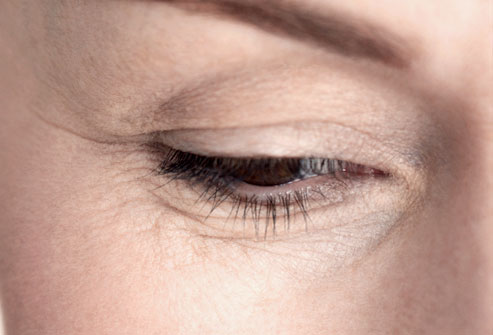
Dark eye circles, also known as infraorbital dark circles in clinical terminology, are characterised by the darker skin beneath the lower eyelids. This condition may be caused by factors such as pigmentation from melanin deposition, structural issues like thinning skin or loss of subcutaneous fat, and vascular changes like blood stasis.
Additional causes may include fluid retention and ageing-related anatomical changes like fat atrophy and muscle hypertrophy.
In practice, dark eye circle discolouration can range from bluish or purplish hues to brown or black—depending on the underlying cause and one’s skin tone. While typically not an urgent medical concern, dark eye circles can fluctuate in severity and are often challenging to treat effectively at home.
Different types of dark circles
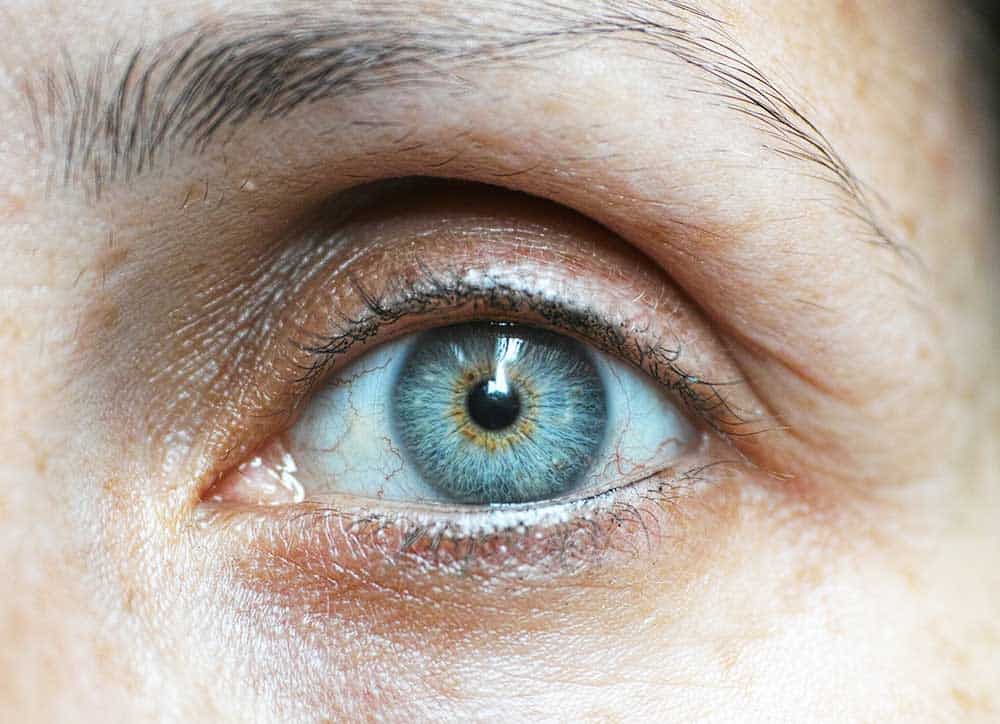
Dark circles under the eyes can be categorised into three primary types, namely:
- Pigmented (Brown) dark circles: These are caused by an increase in melanin due to hyperpigmentation, allergies, or excessive sun exposure. The skin under one’s eyes usually appears brown or yellowish.
- Vascular (Blue) dark circles: These may appear due to poor circulation and visible blood vessels under the thin skin of one’s eye area. Lack of sleep, smoking, and stress may contribute to their appearance.
- Structural (Hollow) dark circles: These are usually caused by a loss of subcutaneous fat and muscle atrophy under one’s eyes due to ageing or significant weight loss. They manifest as a shadowed/hollowed appearance under one’s eyes.
How do dark eye circles differ from eye bags?
Eye bags and dark circles are distinct cosmetic issues with different causes and appearances. Discolouration beneath the eyes is the main characteristic of dark eye circles. They may result from hyperpigmentation, visible blood vessels, or hollowing due to loss of fat and skin thinning.
On the other hand, eye bags are mainly characterised by mild swelling or puffiness beneath the eyes. They often result from fluid retention, shifting fat deposits, or weakening of the muscles and tissues. Eye bags are frequently linked to ageing, but they can also be exacerbated by allergies, sleep deprivation, or eating a lot of salt.
Read: Eye Bag: Causes, Skincare & Non-Surgical Treatments
Common causes of dark eye circles
Dark eye circles may be caused by a number of factors, such as:
1. Genetics and family history
- Hereditary factors: Dark eye circles can be inherited, often manifesting as thin skin under the eyes, increased pigmentation, or poor blood circulation.
- Ethnic predispositions: Due to a genetic predisposition to melanin overproduction, individuals of Indian and Malay ancestry may have a higher prevalence of pigmented dark circles.
2. Ageing process
- Thinning skin and collagen loss: Ageing inherently reduces collagen production, thus, leading to thinner skin under the eyes.
- Fat redistribution: With age, fat pads around the eyes often shift. This consequently causes hollowing or puffiness that casts shadows(structural dark circles).
- Visible blood vessels: As one’s skin thins, veins under the eyes may become more prominent, creating a bluish or purplish hue.
3. Lifestyle factors
- Sleep deprivation: Poor sleep may cause fluid retention under the eyes, making dark tissues more visible.
- Digital eye strain: Prolonged screen time may strain eye muscles and worsen vascular dark circles.
- Dehydration: Inadequate hydration may lead to sunken eyes, emphasising dark circles.
- Smoking and alcohol consumption: Both habits dehydrate the skin and impair circulation, worsening discolouration.
4. Environmental factors
- Sun exposure and UV damage: UV rays stimulate melanin production, worsening pigmented dark circles.
- Air pollution: Pollutants may irritate the skin and trigger pigmentation issues around the eyes.
- Allergens: Allergies cause histamine release, which can exacerbate discolouration.
5. Medical conditions
- Anaemia: Research indicates a strong correlation between dark circles and anaemia as a lack of iron may cause skin tissues to receive less oxygen.
- Allergies: When an allergic reaction occurs, histamine is usually released. This can exacerbate dark eye circles.
- Eczema: Because of continuous rubbing, eczema’s chronic inflammation can result in hyperpigmentation around the eyes.
- Thyroid conditions: Hormonal imbalances in thyroid disorders may lead to pigmentation changes that worsen dark circles.
Dark circle eye treatment Malaysia
Although there are several over-the-counter and DIY treatments for dark eye circles, these might not work for everyone or produce long-lasting effects.
As such, a professional aesthetic clinic should be consulted for more specialised and efficient remedies. Dermal fillers, laser therapy, and chemical peels are among the therapies available at clinics in Malaysia like Clique Clinic.
At-home prevention and care for dark eye circles
To temporarily address dark eye circles from home, consider the following:
- Daily skincare recommendations: Employ eye creams with active ingredients like retinol, vitamin C, and peptides.
- Lifestyle changes: Get enough sleep, take frequent breaks from screens, and utilise sunscreen to protect your skin from UV rays.
- Hydration: Stay hydrated by eating fruits and vegetables and drinking lots of water.
- Homemade solutions: Consider applying cold compresses and placing chilled cucumber slices or tea bags over your eyes for ten to twenty minutes.
Professional non-surgical treatments for dark eye circles
While typically not a medical concern, dark eye circles can fluctuate in severity and are often challenging to treat effectively. Fortunately, some professional treatments can counteract them. For instance:
Skin Boosters and Rejuvenation
Skin boosters are injectable procedures intended to enhance the quality, suppleness, and moisture of the sensitive under-eye region. Examples include:
- PROFHILO: This injectable based on hyaluronic acid deeply hydrates and stimulates collagen and elastin production.
- BELOTERO Revive: This solution combines hyaluronic acid filler with glycerol to restore hydration and improve skin elasticity.
- PLINEST: This polynucleotide-based treatment rejuvenates the skin by promoting collagen production and improving skin elasticity
Advanced Laser Treatments
Laser treatments target the laxity of the skin beneath the eyes, pigmentation, and vascular visibility. In practice, they break down excess melanin or visible blood vessels and promote the formation of collagen. Examples include:
- PicoSure technology for pigmentation: This cutting-edge laser treatment targets pigmentation by breaking down melanin deposits whilst stimulating collagen for more even-toned skin.
- Sylfirm X for vascular dark circles: This is a dual-wave radiofrequency microneedling device that reduces vascular dark circles by targeting visible blood vessels.
Radio Frequency Microneedling
Potenza RF Microneedling: This procedure exploits microneedles and RF radiation to address dark circles. The intervention delivers radiofrequency radiation deep into the dermis while simultaneously making tiny punctures in one’s skin using ultrafine needles. By stimulating collagen and the breakdown of excess pigmentation, it delivers a more even-toned skin over time.
Dermal Fillers
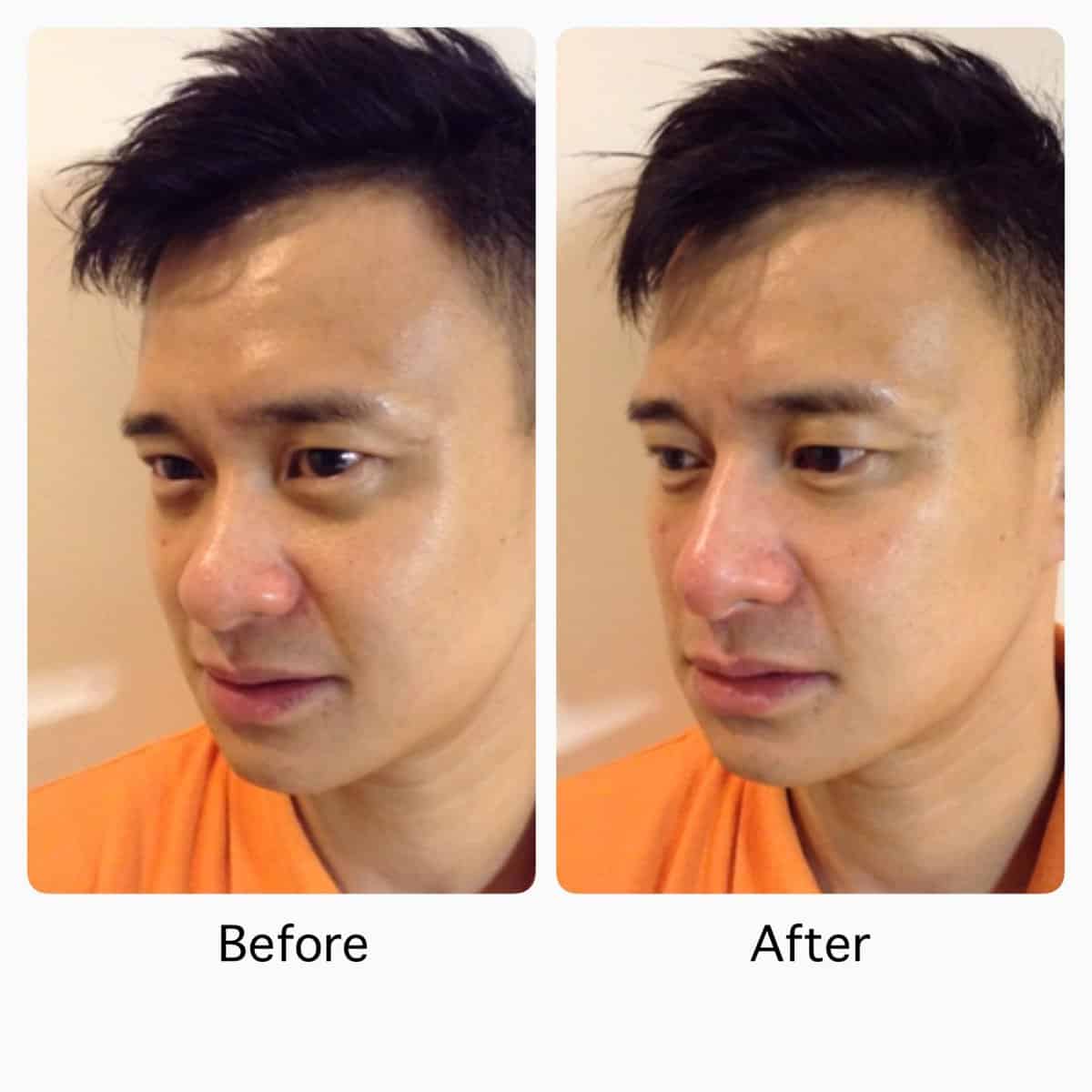
Injectable dermal fillers improve the look of structural dark circles and reduce shadows by adding volume to empty areas beneath the eyes. For example:
- Hyaluronic Acid Fillers: These fillers level out shadows, fill up tear trough hollows, and give the area beneath one’s eyes a more youthful appearance. There is little downtime and rapid results.

How to choose the right treatment for your dark eye circles?
When choosing the right treatment centre, it’s imperative to take methodical steps. Age, skin type, and lifestyle choices are important considerations for selecting the best course of action and clinic.
For instance, older patients with structural issues could need dermal fillers, whereas younger people with vascular dark circles might benefit from laser treatments. Because darker skin tones may be more susceptible to post-inflammatory hyperpigmentation, ethnic considerations are particularly crucial.
A professional evaluation is also recommended. Dermatologists and aestheticians can assess characteristics such as skin thickness, pigmentation, vascular visibility, and facial structure. This evaluation appreciably lowers the possibility of side effects, ensuring that therapies are safe and tailored to each patient’s needs.
Overall, results take different amounts of time, depending on the treatment that’s selected. It’s imperative to maintain reasonable expectations because the total removal of dark circles might not always be fully achievable.
Conclusion
Dark eye circles are a prevalent aesthetic issue that can have an undeniable influence on a person’s looks and self-esteem. Although they aren’t usually medical problems, they are difficult to address at home.
Thankfully, there are a number of effective professional therapies for dark circles. Clique Clinic offers professional procedures like laser therapy and dermal fillers to address dark eye circles.
So, kindly reach out for an extensive consultation for a tailored solution that targets your specific skin type and delivers optimal results.