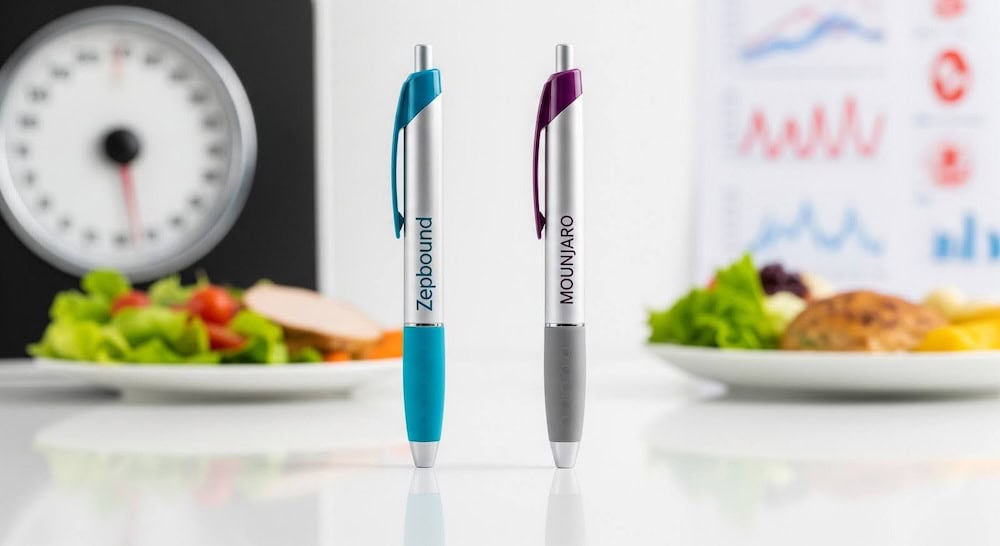
Zepbound vs Mounjaro: What’s the Difference and Which Works Better for Weight Loss?
Key Takeaways:
- Zepbound and Mounjaro both contain tirzepatide, a dual GIP and GLP-1 receptor agonist that suppresses appetite and improves blood sugar control.
- Zepbound is FDA-approved for chronic weight management in overweight and obese adults, while Mounjaro is approved for type 2 diabetes treatment.
- Both medications promote significant fat loss—clinical trials show an average of 15–22.5% body weight reduction over 72 weeks when paired with healthy habits.
- Zepbound is fine-tuned and dosed specifically for weight loss, while Mounjaro delivers weight reduction as a secondary effect of glucose regulation.
- Side effects are mostly mild and temporary (nausea, constipation, fatigue), though both carry rare risks like pancreatitis and thyroid issues.
Introduction
Many people struggle to achieve lasting weight loss through diet and exercise alone. Fortunately, specialised medications exist that are expressly designed to support weight loss safely under medical supervision.
More specifically, Zepbound and Mounjaro are some of the most talked-about interventions for weight loss — and with good reason. Both use the same active ingredient, tirzepatide. However, their original purposes differ.
One was designed specifically for weight management, while the other is widely recognised as a Type 2 diabetes treatment. Here’s what’s worth knowing before deciding which one makes sense for you.
What is Zepbound?
Zepbound is a specialised prescription medication approved by the FDA for chronic weight management. It targets overweight and obese adults (a body mass index of 27 or greater) with at least one of high blood pressure, type 2 diabetes, or high cholesterol.
It contains the active ingredient tirzepatide. This ingredient works by activating hormone receptors for glucose-dependent insulinotropic polypeptide (GIP) and glucagon-like peptide-1 (GLP-1).
In practice, these hormones help significantly reduce appetite, decrease food intake, and improve blood sugar control. Furthermore, Zepbound is administered once weekly via injection under the skin. It’s also used alongside a reduced-calorie diet and increased physical activity for effective and sustained weight loss.
What is Mounjaro?
Mounjaro is a specialised prescription medication originally approved by the FDA for the treatment of type 2 diabetes. Like Zepbound, it contains the active ingredient Tirzepatide.
However, it primarily focuses on improving blood sugar control by increasing insulin secretion, slowing gastric emptying, and decreasing glucagon production.
Though initially approved for diabetes, Mounjaro has gained attention for its off-label use in weight loss. This is principally due to its appetite-suppressing and metabolic effects.
Zepbound and Mounjaro: How do they work?
Both medications act on tirzepatide, which is a dual GIP and GLP-1 receptor agonist. In essence, tirzepatide mimics two important gut hormones—GIP and GLP-1—which help regulate appetite and metabolism. Here’s what this dual action really means for your body:
- You feel full faster and stay full longer.
- Your digestion slows down, so you don’t get hungry as often.
- Your insulin response improves, making it easier for your body to manage blood sugar.
Zepbound vs Mounjaro: Differences
While both rely on the same ingredient—tirzepatide—their marketing and regulatory approvals set them apart.
FDA Approval and Indications
First, Zepbound is officially FDA-approved for chronic weight management in adults with obesity or overweight (BMI ≥30, or ≥27 with a related condition like hypertension). It’s also FDA-approved to treat moderate-to-severe obstructive sleep apnea in adults with obesity.
On the other hand, Mounjaro is FDA-approved to treat type 2 diabetes as an adjunct to diet and exercise. However, it’s frequently prescribed for weight loss as a secondary benefit, given its proven effects.
Dosage and Administration
Both come as once-weekly injections, available in similar doses (2.5 mg up to 15 mg). If you’re on Zepbound, your doctor will likely integrate it into a full weight management plan that includes diet, exercise, and progress monitoring. Mounjaro, on the other hand, is usually prescribed for glycemic control.

Zepbound vs Mounjaro for Weight Loss Results
A clinical trial for Zepbound and Mounjaro that involved two randomised, placebo-controlled, 72-week-long studies in over 3,400 adults with obesity revealed interesting findings.
The primary endpoints of the study were the mean percent change in body weight and the percentage of patients achieving ≥5% weight reduction from baseline to Week 72.
Both drugs demonstrated significant fat reduction and appetite suppression as participants lost between 15% and 22.5% of their body weight on average, depending on dosage and treatment duration. This level of fat reduction surpassed results seen with prevalent weight loss drugs like Ozempic and Wegovy.
What do Studies Show?
In an authoritative clinical trial, people taking Zepbound lost an average of up to 22.5% of their body weight. For those using Mounjaro off-label, results were similar, though they varied depending on the dose and how long the person stayed on treatment.
That said, context matters. Zepbound’s dosage and formulation were fine-tuned for weight management, while Mounjaro’s focus remains diabetes control—with weight loss as a fortunate byproduct.
Zepbound vs Mounjaro Price in Malaysia
If you’re based in Malaysia, pricing can fluctuate, depending on location, clinic, insurance, and dosage. Generally, Zepbound treatment is roughly RM1,800–RM3,000 per month, while Mounjaro is roughly RM1,800–RM6,000 per month.
Some clinics bundle in consultations, nutrition plans, or follow-ups, which can make the higher price more worthwhile.
Zepbound vs Mounjaro Side Effects and Safety
Because both act on similar hormone pathways, they share many side effects.
For instance, nausea, constipation, fatigue, and stomach upset—typically mild and temporary. To manage these side effects, it’s often best to start at a lower dose and work upward to let your body adjust.
Serious side effects, though rare, may include pancreatitis, gallbladder issues, and thyroid C-cell tumours (rare in humans). To manage these, eat smaller meals, avoid greasy foods, and drink plenty of water. And if something feels off, it’s always best to check in with your doctor early rather than toughing it out.
Who Should Consider Zepbound or Mounjaro?
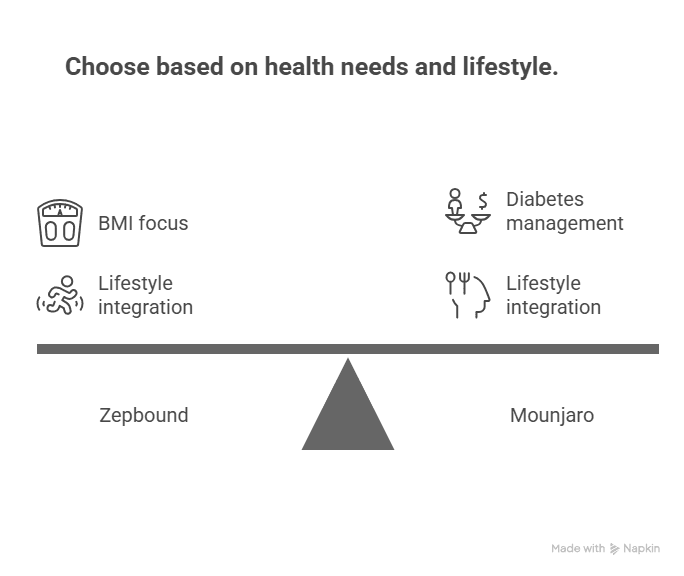
Zepbound and Mounjaro are best suited to:
- Zepbound: Adults with BMI ≥30 or ≥27 with related conditions like hypertension.
- Mounjaro: People managing type 2 diabetes who also want to reduce weight.
Remember, both drugs should be paired with diet and exercise for optimal outcomes. Overall, neither drug replaces healthy habits, but both can make lifestyle changes easier and more sustainable. Think of them as a powerful assist, not a magic fix.
Also read:
- Wegovy vs Mounjaro: Which Weight-Loss Medication Delivers Better Results?
- Mounjaro vs Saxenda: Which Weight-Loss Injection Is More Effective?
Zepbound vs Mounjaro FAQ
Are Zepbound and Mounjaro the same medication?
Technically, they share the same active ingredient, administration method, and dosage. However, they are approved and marketed for different purposes. Zepbound is FDA-approved specifically for chronic weight management, whilst Mounjaro is approved for type 2 diabetes management.
Is Zepbound more expensive than Mounjaro?
Usually, yes. The price is typically a bit higher out of pocket because it’s marketed and dosed specifically for weight loss.
Can I substitute Zepbound for Mounjaro?
Possibly, but only under medical advice. A doctor will assess which version fits your health profile and insurance coverage.
Which one has fewer side effects-Zepbound or Mounjaro?
It varies person to person. Some say Mounjaro causes more nausea early on, but both tend to even out with time.
Which is better, Zepbound or Mounjaro?
For weight loss alone, Zepbound is designed for that purpose. For diabetes management, Mounjaro remains the go-to option.
How much weight can you lose on Zepbound in 3 months?
Clinical trials have shown that some patients have achieved around 10-15% body weight reduction within 12 weeks (3 months) when combined with diet and exercise. Individual results will vary based on dosage and adherence to lifestyle changes.
Conclusion
Both Zepbound and Mounjaro have changed how we think about weight loss and metabolic health. The choice between them isn’t just about cost or label — it’s about your body’s needs and your long-term goals.
If you’re considering either, engage Clique Clinic. Our doctors will help you map out a sustainable, personalised plan that considers your individual health profile, medical history, and specific weight loss goals.