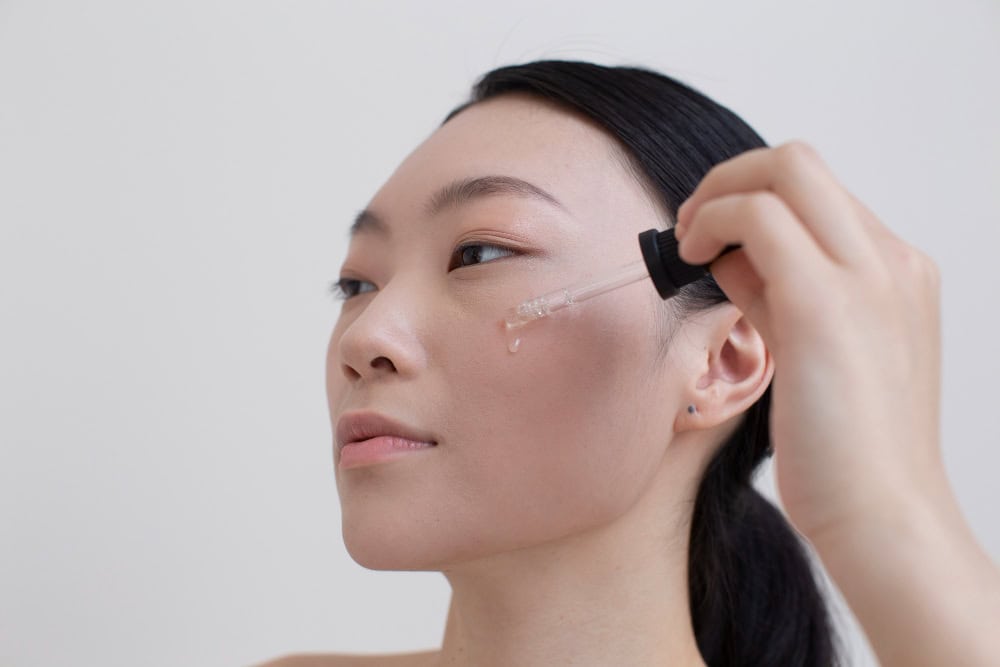
Protease in Skin Care: All You Need To Know
Introduction
When it comes to skincare, exfoliation is the key to revealing smooth, radiant, and healthy-looking skin. In general, people relied on scrubs or acids such as AHAs and BHAs to shed dead skin cells. However, a growing category of gentle yet effective exfoliants has emerged in modern skincare, and that is protease enzymes.
At Clique Clinic Malaysia, where we integrate medical aesthetic expertise with advanced treatments such as lasers, microneedling, injectables, and skin boosters, we understand that not every patient can tolerate harsh exfoliation. For these individuals, protease enzymes in skincare offer a natural, non-abrasive solution that supports skin renewal without excessive irritation.
This article explores what protease is, how it functions in skincare, its benefits, and how you can integrate it safely into your daily routine.
What is Protease Enzyme in Skincare?
Protease is a type of enzyme that breaks down proteins into smaller peptides and amino acids. In nature, proteases are found in plants such as papaya (papain) and pineapple (bromelain), in animals, and in microbes. Within the human body, protease is an enzyme that plays a crucial role in digestion and cellular processes. In skincare, it is valued for its ability to gently exfoliate the skin.
- Where is protease secreted?
In the body, protease is secreted in the stomach, pancreas, and small intestine. - Where is protease found?
In skincare, it is sourced from fruits, plants, and sometimes microbes. - What organ makes protease?
The pancreas is the primary organ that produces protease for digestion. - Which enzyme is a protease?
Common examples include papain, bromelain, trypsin, and subtilisin. - What substrate/substance does protease act on?
Protease acts on proteins, breaking them into smaller building blocks. - Where is protease used in the body?
Aside from digestion, protease helps with tissue repair and immune responses.
In skincare formulations, protease enzymes are used in toners, masks, cleansers, and peels to provide enzymatic exfoliation, offering a more refined alternative to harsh scrubs.
Chemical Composition and Properties of Protease Enzyme
Protease is not a single compound but rather a broad class of enzymes that catalyze the hydrolysis [breakdown] of peptide bonds in proteins.
- Types of protease: papain (from papaya), bromelain (from pineapple), subtilisin (from bacteria), and keratinase (used specifically in skin renewal).
- Function: These enzymes selectively break down keratin proteins in the outermost skin layer, making them effective for gentle exfoliation.
- Skincare formulation factors: Their activity is pH-dependent. Most proteases function optimally in slightly acidic to neutral pH. Stability also depends on how the skincare product is formulated and stored.
Protease Function: How Does It Work in Skincare?
The function of protease enzymes in skincare is to gently digest proteins in the stratum corneum, the outermost layer of the skin. This allows dead skin cells to be lifted away naturally without aggressive friction or burning sensations.
- Protease breaks down protein: Specifically, it targets keratin proteins that cause buildup and roughness.
- This enzymatic exfoliation encourages cell turnover on the skin surface, revealing smoother, brighter skin.
- Immobilization of protease enzyme: In skincare products, protease enzymes are often “locked” or stabilised in special systems so they stay active longer and keep working effectively.
- Unlike acids, protease does not penetrate deeply, making it safer for sensitive skin types.
At Clique Clinic, protease-based products are often recommended before advanced treatments such as microneedling or RF microneedling. By removing surface debris, these enzymes help enhance treatment results and improve penetration of boosters, serums, and injectables.
Key Benefits of Protease in Skincare
Protease enzymes bring several unique advantages compared to traditional exfoliants:
- Gentle exfoliation: Ideal for sensitive skin that reacts poorly to manual exfoliants or strong acids.
- Brightens dull complexion: By clearing away dead cells, skin looks fresher and more radiant.
- Smooth skin texture: Reduces roughness, leaving skin soft and even.
- Unclogs pores: Helps loosen congestion that contributes to breakouts.
- Supports skin renewal: Enhances absorption of moisturisers, serums, and sunscreens.
- Suitable for most skin types: Especially beneficial for patients undergoing medical aesthetic treatments at Clique Clinic, where skin integrity must be maintained.
Potential Side Effects and Considerations with Protease
While generally well tolerated, there are some important considerations:
- May cause mild stinging or irritation, especially on broken or sensitive skin.
- Effectiveness varies depending on enzyme concentration, pH, and formulation stability.
- Should be avoided near eyes and mucous membranes, as enzymes can be irritating to these delicate areas.
- As with any exfoliant, overuse may lead to sensitivity, redness, or dryness.
At Clique Clinic, we recommend consulting with our doctors before starting any enzyme-based exfoliant, especially if you have active eczema, rosacea, or post-procedure skin.
How to Use Protease Products in Your Routine?
Protease enzymes are commonly found in:
- Cleansers: Gentle daily exfoliation without stripping the skin.
- Toners: Designed for mild resurfacing.
- Masks and peels: More concentrated formulas for weekly use.
- Enzyme powders: Activated with water, popular in professional facial treatments.
How to apply:
- Use 1–3 times per week, depending on your skin type and sensitivity.
- Always follow with a moisturiser to restore hydration and moisture on the skin barrier
- Apply broad-spectrum sunscreen during the day, as freshly exfoliated skin is more vulnerable to sun UV damage.
Who Should Use It?
Protease is particularly suitable for:
- Individuals with dull, congested, or uneven skin
- Those who want gentle exfoliation without irritation
- Patients with sensitive skin who cannot tolerate AHAs or BHAs
- People preparing for in-clinic treatments like lasers, skin boosters, or microneedling
At Clique Clinic, protease-based treatments are often paired with skin boosters or PDRN injections for patients seeking brighter and smoother skin with minimal downtime.
Final Thoughts
Protease enzymes represent a category of skincare ingredients that provide natural, gentle exfoliation. Unlike harsh scrubs or strong acids, they work by selectively breaking down protein in the outer skin layer, encouraging renewal without compromising barrier health.
For those looking to achieve smoother, brighter, and more even-toned skin, protease products can be an excellent addition to a skincare routine. They are especially useful for patients at Clique Clinic who wish to complement their professional treatments with at-home care that maintains results.
If you are curious about whether protease-based skincare or treatments are right for you, our doctors at Clique Clinic Malaysia can guide you. With expertise in medical aesthetics, including microneedling, RF microneedling, laser treatments, injectables, and advanced boosters, we ensure that your skin health is always prioritised.
Take the first step towards radiant, healthy skin by speaking with our Clique doctors today. wa.me/60123537960