Propylene Glycol in Skincare: All You Need To Know
When it comes to skincare ingredients, some names raise eyebrows simply because they sound synthetic, and propylene glycol is one of them.
Yet, this often-misunderstood ingredient has been a mainstay in dermatology and cosmetic formulation for decades. In this article, we’ll dive deep into the facts about propylene glycol and its role, benefits, and whether it deserves a place in your routine.
Let’s clear the confusion and understand why this ingredient is widely used, even in some of the most advanced skincare and in-clinic formulations.
What is Propylene Glycol?
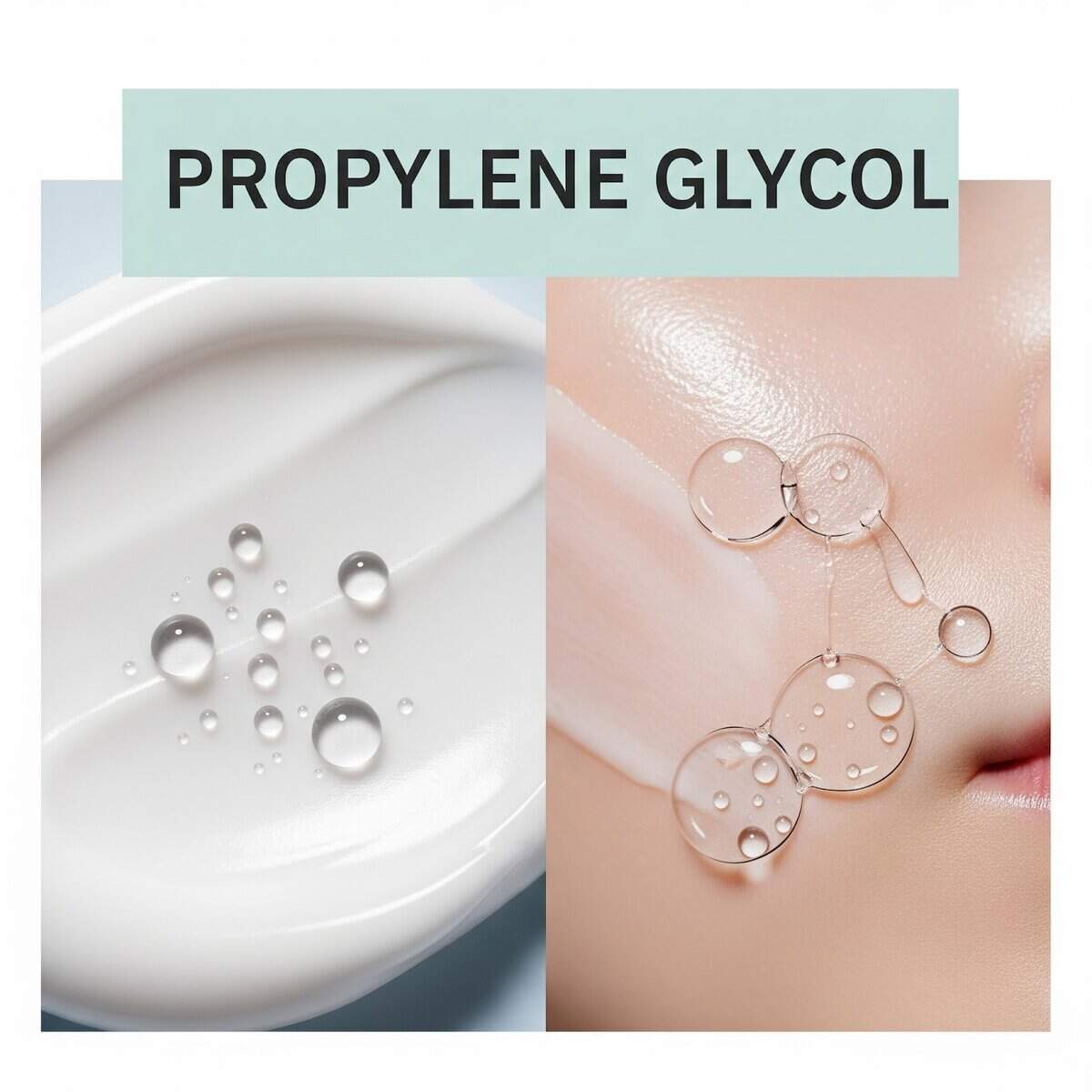
Propylene glycol is a synthetic, colorless, and odorless liquid commonly found in skincare and cosmetic products. It serves multiple functions, including:
- Humectant: Attracts water from the environment into the skin.
- Solvent: Helps dissolve other ingredients, including actives.
- Penetration enhancer: Assists key ingredients in penetrating deeper layers of the skin.
Depending on the formulation, it can be derived from petroleum or plant-based sources, as both are of the same molecular structure and skin benefits.
Chemical Composition & Properties of Propylene Glycol
- Molecular formula: C₃H₈O₂
- Water-soluble: Blends seamlessly in water-based skincare products.
- Highly stable: Maintains the integrity of volatile actives, for example, vitamin C or AHAs (alpha hydroxy acids).
- Moisture-binding: Prevents water loss by forming a protective film.
This dual functionality as a humectant and solvent makes propylene glycol a workhorse ingredient in dermatological preparations.
How Propylene Glycol Works in Skincare?
Here is what happens when you apply a product containing propylene glycol:
- It draws water into your skin from the atmosphere, locking it into the upper layers.
- It ensures even dispersion of ingredients so every part of your skin gets the same dose.
- It boosts penetration of key actives like niacinamide, retinoids, or glycolic acid.
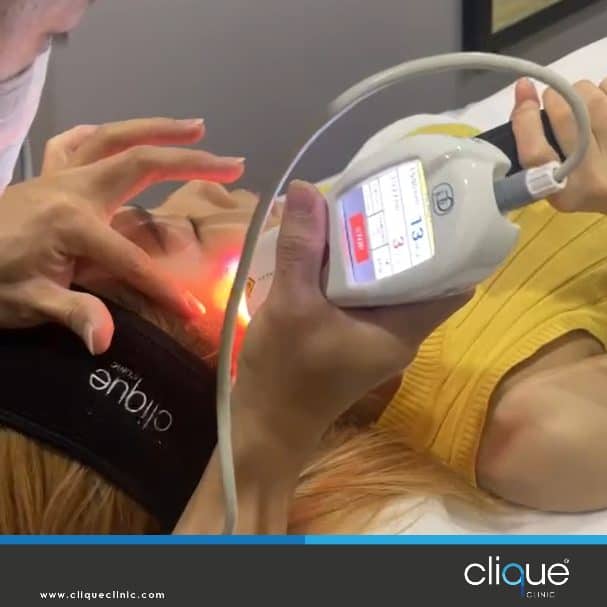
This is why skincare used post-laser, skin booster, or microdermabrasion treatments at Clique Clinic can contain ingredients like propylene glycol to support hydration and maximize absorption when your skin is most receptive.

Key Benefits of Propylene Glycol
Let’s break it down into the most impactful advantages:
1. Deep Hydration: Propylene glycol binds water molecules to the skin, leaving it plump, soft, and smooth. Unlike occlusives (which seal moisture in), humectants like propylene glycol actively attract hydration from the environment.
2. Enhances Active Delivery: It helps ingredients like vitamin C, AHAs, or peptides get into your skin more efficiently, making them more effective. This is critical in formulations designed for anti-aging and pigmentation concerns, such as those we recommend for post-pigment laser treatments at Clique.
3. Improves Product Texture: It adds a light, non-greasy slip to products, making them spread more evenly. This is especially useful in serums, essences, and skin boosters, which require fast absorption without residue.
4. Boosts Product Stability: Propylene glycol helps keep emulsions stable and ensures actives don’t degrade prematurely. This is why it is included in high-performance formulations used in conjunction with in-clinic therapies.

Potential Side Effects & Considerations
Propylene glycol is considered safe for topical use by the FDA, CIR (Cosmetic Ingredient Review), and EU Scientific Committee on Consumer Safety. However, a few considerations are worth noting:
- Mild irritation: Some individuals with very sensitive skin or eczema may experience redness or stinging.
- Patch test recommended: Especially for those with known sensitivities or compromised skin barriers.
- Most skincare products contain propylene glycol in low, safe concentrations, typically under 10%: This percentage is well tolerated by the majority of users. Higher concentrations may increase the risk of irritation, especially for those with sensitive or compromised skin barriers
Despite being synthetic, the safety profile of propylene glycol is well-documented and widely accepted in dermatological medicine.
Propylene Glycol Safety Assessment: The CIR Expert Panel determined that the available information supports the safety of tripropylene glycol as well as all the PPGs.
Propylene Glycol Uses in Your Routine
You might not realize it, but propylene glycol is in more skincare products than you think. Some common applications include:
- Moisturizers: Helps draw moisture into the skin and prevent dehydration.
- Toners and Essences: Boost absorption of antioxidants or anti-aging actives.
- Serums: Especially those targeting wrinkles, hyperpigmentation, or dryness.
- Sheet Masks: Ensures even saturation and ingredient delivery.
After a procedure at Clique Clinic, you can generally keep using your regular skincare products. However, please show our doctors the skincare items (or ingredient lists) you plan to use so we can confirm they are suitable for your post‑treatment skin.
Who Should Use Propylene Glycol?
This versatile ingredient works well for:
- Normal to dry skin: Great for maintaining hydration and improving skin texture.
- Aging or dehydrated skin: Enhances penetration of actives like peptides or hyaluronic acid.
- Acne-prone skin: Helps with ingredient delivery without clogging pores.
That said, if you have hypersensitive or reactive skin, it is best to do a patch test or consult with your skin doctor, especially if you’re undergoing treatment like chemical peels or lasers.
At Clique, our clinicians evaluate skin sensitivity in detail before recommending home skincare.
Is Propylene Glycol Safe for Skin?
Yes, when used within recommended limits. The Cosmetic Ingredient Review (CIR) Expert Panel concluded that propylene glycol is safe for use in cosmetics. It’s non-carcinogenic, non-sensitizing for most users, and well tolerated in concentrations up to 50% in leave-on products, though most skincare uses much less.
Many of the world’s top skincare brands, including medical-grade brands rely on this ingredient for its formulation stability and hydration benefits.
Final Thoughts
Propylene glycol is a quiet powerhouse in skincare. Despite its synthetic origin, it plays a crucial role in hydration, ingredient delivery, and formulation stability.
When used correctly and at appropriate concentrations, it is an excellent ingredient to both everyday skincare and professional-grade products used in medical aesthetic clinics like Clique Clinic Malaysia.
In fact, it’s often the ingredient working behind the scenes when your post-laser serum absorbs beautifully, or when your skin booster serum feels silky and hydrating.
Want personalized skincare advice?
At Clique Clinic, we don’t just treat your skin, we work with it. Our doctors are trained to assess your skin’s hydration needs, sensitivity levels, and treatment compatibility before recommending any product or in-clinic treatment.
Whether you’re curious about ingredients like propylene glycol or looking for dermatologist-curated skincare, we’re here to guide you with science, care, and precision.
Reach out to our team at Clique Clinic for a personalized skin consultation today: wa.me/60123537960. Your skin deserves more than guesswork. Let’s make every ingredient work for you, intelligently.