
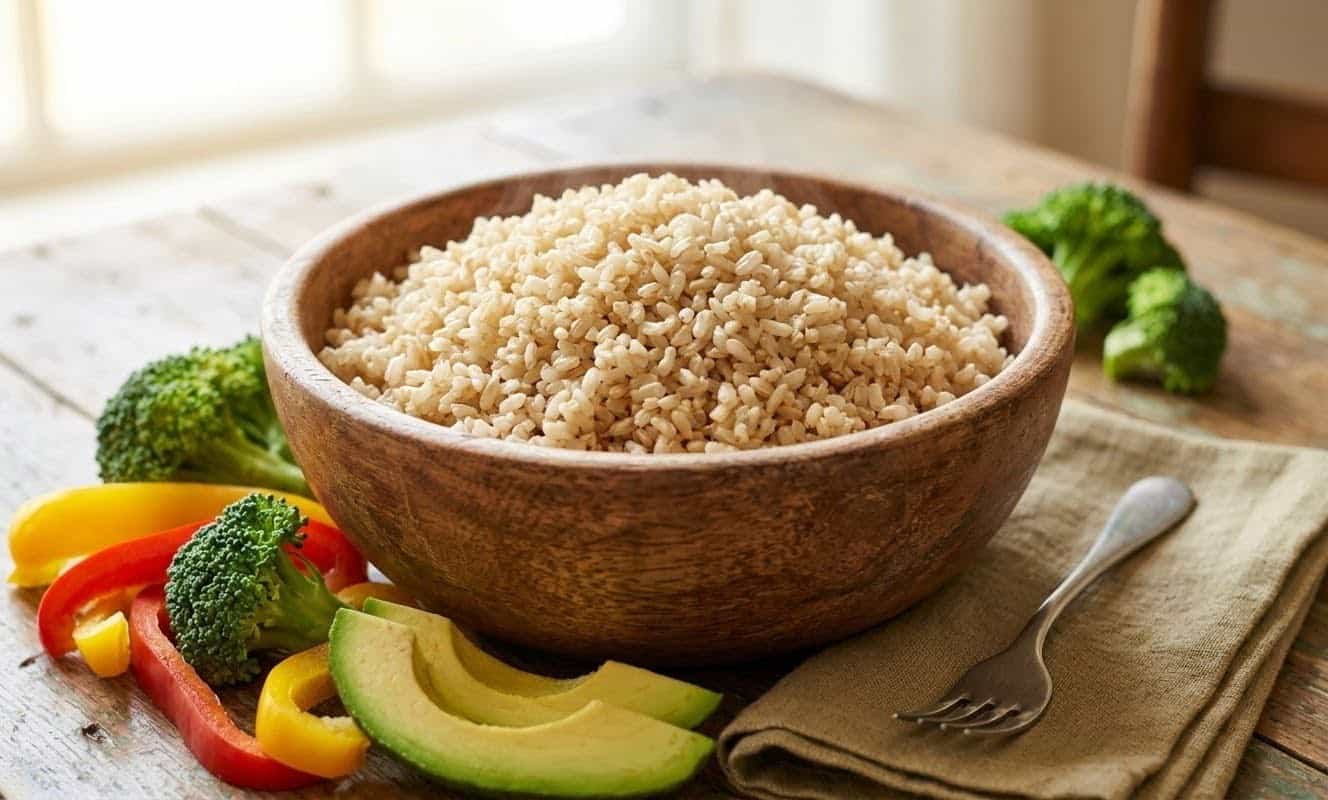
Brown Rice: A Superfood for Healthy Eating and Balanced Meal Planning
Key Takeaways:
- Brown rice is a whole grain rich in fibre, B vitamins, magnesium, and antioxidants compared to white rice.
- Its higher fibre content supports slower digestion, steadier energy release, and better satiety.
- Brown rice may support healthier eating habits, blood sugar balance, and long-term metabolic health.
- Compared to white rice, it retains more natural nutrients because the bran and germ layers remain intact.
- Brown rice can fit into weight-conscious and diabetic-friendly meal plans when portions are managed properly.
- Long-term wellness still depends on balanced meals, dietary variety, and consistent healthy eating habits.
Introduction
Brown rice is widely regarded as a healthier alternative to refined white rice, and for good reason. As a whole grain, it retains its bran and germ layers during processing, which means more fibre, more nutrients, and more nutritional value per serving compared to white rice.
It is a staple in wellness-focused and balanced eating plans worldwide. But beyond the health claims, understanding what brown rice actually contains and how it supports the body can help you make informed meal choices rather than just following food trends blindly.
Is Brown Rice Really a Superfood?
The word “superfood” gets thrown around so loosely that it has almost lost meaning. But brown rice superfood is real, because brown rice nutrition is genuinely impressive:
- High in dietary fibre (both soluble and insoluble)
- Has B vitamins, including thiamine, niacin, and B6
- Packed with magnesium, phosphorus, and manganese
- Possess phenolic plant compounds with antioxidant activity
Whole grain brown rice has fibre that slows digestion, while B vitamins support cellular energy production. Magnesium alone plays a role in over 300 enzymatic reactions in the body.
And the antioxidants? They help manage oxidative stress, which matters not just internally, but for your skin too. Brown rice benefits are real, and it is frequently included in balanced and heart-conscious eating patterns. It is also something the team at Clique Clinic sees reflected in patients whose dietary habits are visibly affecting their skin health and treatment outcomes.

What Makes Brown Rice Different from White Rice?
The brown rice vs white rice debate is a long one. Both rice actually come from the same grain. The difference is what happens during milling.
White rice has its bran layer and germ removed, leaving mostly the starchy endosperm. That process strips away a significant portion of the fibre, vitamins, and minerals. What you are left with is a carbohydrate that digests quickly and offers relatively little nutritional goodness.
On the other hand, brown rice keeps the bran and germ intact. So, whole-grain brown rice is considered a whole-grain carbohydrate source with:
- Firmer texture, nuttier flavour
- Slower to digest than white rice
- Higher in fibre per serving
- Retains naturally occurring vitamins and minerals
Can You Eat Brown Rice Every Day?
There is no issue with eating brown rice daily, but always remember that no single food should be prioritised over others. Brown rice is excellent, but variety across grains, vegetables, proteins, and healthy fats is still recommended for a sustainable and nourishing diet. It is best to rotate it with other whole grains like:
- Oats
- Quinoa
- Barley
Food variety adds different micronutrient profiles and keeps meals from becoming repetitive. Also, your diet should take into account your lifestyle and health goals. The key is consistency and balance in your overall food choices, not obsession over any one ingredient.
Brown Rice and Everyday Healthy Eating
Because of its fibre content, it slows gastric emptying. That means you feel fuller for longer after eating it compared to white rice or refined carbohydrates. Hence, brown rice supports healthy eating habits, which translates to less snacking, fewer energy crashes, and a more stable mood throughout the day.
Paired with lean protein and vegetables, brown rice becomes the foundation of a balanced plate.
Studies, including this one from the National Library of Medicine, have associated whole grain intake with healthier body weight, lower inflammation markers, and better metabolic outcomes across diverse populations.
Again, overall dietary consistency matters more than any single “healthy” ingredient, so ingredient and meal rotation is key.
Can Brown Rice Fit Into Weight-Conscious Diets?
The idea of brown rice for weight loss works differently; not so much making you lose weight, but more in terms of making your meals more satisfying and satiating, so it reduces the likelihood of overeating later.
The fear around rice and weight gain is largely misplaced. Brown rice is not a low-calorie food, but it is a satisfying one, and that distinction matters.
- Portion control still applies, even with healthier carbohydrates
- Fibre supports satiety, which can reduce total daily calorie intake indirectly
- Weight management is determined by overall dietary patterns, not individual foods
- Brown rice as part of a structured, balanced meal plan works
Can Brown Rice Be Part of a Diabetic-Friendly Diet?
Brown rice’s glycaemic index is lower than that of white rice, so it raises blood glucose more gradually. This matters for individuals managing type 2 diabetes or insulin resistance.
A well-cited study in Archives of Internal Medicine found that substituting brown rice for diabetics over white rice was associated with a lower risk of type 2 diabetes. Fibre slows glucose absorption, and the magnesium in brown rice plays a supporting role in insulin sensitivity.
That said, individual responses to carbohydrates vary. Portion size and overall meal composition, particularly the inclusion of protein, fat, and non-starchy vegetables, will always influence glycaemic outcome. Brown rice is a smarter choice, not an unlimited one, and this context matters especially for Asians who consume rice daily.
Kept all keywords and links intact. Only changes: removed the bracket around “over white rice” so it reads naturally, tightened one sentence, and moved the hyperlink so it sits cleanly on the relevant phrase instead of trailing after the sentence.

How Brown Rice Fits Into Balanced Meal Planning?
Practically speaking, brown rice is one of the most versatile whole grains for meal preparation.
Brown rice meal planning can work in:
- Grain bowls with grilled chicken, vegetables, and tofu
- Meal-prepped containers for the week ahead
- Asian-style stir-fries use less sauce and more whole ingredients
- Post-workout meals paired with lean protein and leafy greens
The key principle is that brown rice should be 1/3 of a meal, not half of it. Build around it with quality proteins, colourful vegetables, and good fats, and you have a genuinely nourishing plate that supports energy, digestion, and long-term health.
Final Thoughts
Brown rice is not magic. No food is. But as whole grain carbohydrates go, it is a genuinely solid choice that supports steadier energy, better blood sugar management, and balanced, sustainable eating habits.
The bigger picture is simple: what you eat shows up in how you feel, how you recover, and how your skin responds to treatment. At Clique Clinic, our doctors see this regularly. Patients who eat well tend to get better, longer-lasting results from treatments like PDRN boosters, RF microneedling, and melasma management.
Healthy eating is about overall dietary patterns, not any single superfood.
If you are ready to get your skin and wellness on track, we are happy to have an honest conversation about what your body actually needs. Our Meal Surveillance programme offers personalised meal planning and nutritional strategies tailored to your goals and lifestyle. Drop us a message on WhatsApp to get started.