Retinal vs Retinol: What’s the Difference and Which Is Better for Your Skin?
When it comes to anti-ageing and acne-fighting skincare, vitamin A derivatives are at the top of the list. Among them, retinol and retinal (also known as retinaldehyde) often spark confusion as both are Vitamin A, are incredibly effective, but how do they differ, and which one is better for your skin?
As a medical aesthetic clinic in Malaysia, Clique Clinic often encounters clients who are curious about retinoids and how these ingredients can complement professional treatments such as lasers, micro needling, or skin boosters.
Understanding the science behind retinol and retinal helps you make better skincare decisions, especially when guided by experienced doctors.
What Is Retinal?
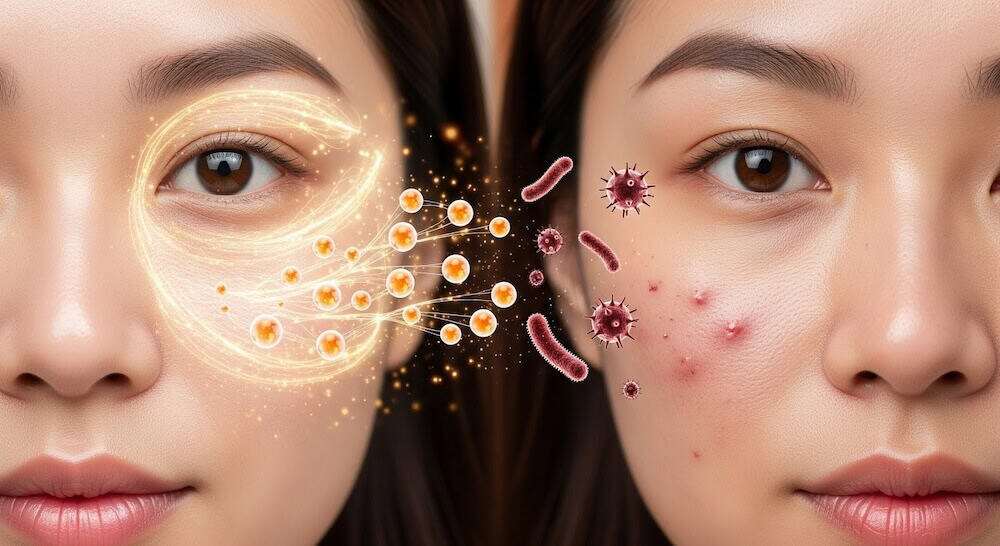
Retinal, or retinaldehyde, is a vitamin A derivative used in skincare for its remarkable anti-ageing and acne-clearing properties. It belongs to a broader class of compounds known as retinoids, which also include retinol and prescription-strength retinoic acid.
In simpler terms, this means Vitamin A and its derivatives are collectively known as “retinoids”, and that include retinol, retinal (retinaldehyde), and more potent forms such as tretinoin.
Retinal is an intermediate compound between retinol and retinoic acid, meaning it is just one conversion step away from the active form your skin cells use directly, which is retinoic acid. Hence, retinal is faster-acting and more potent than retinol.
Chemical Composition & Conversion Pathway for Retinal
Retinal (retinaldehyde) sits right in the middle of the vitamin A conversion chain:
Retinol → Retinal → Retinoic Acid
See diagram HERE.
Because it requires only one enzymatic conversion to become retinoic acid, retinal delivers visible results faster; such as smoother skin texture to reduced fine lines and improved clarity. It is often considered a clinical-grade ingredient suited for users ready to advance from traditional retinol.
What Is Retinol?
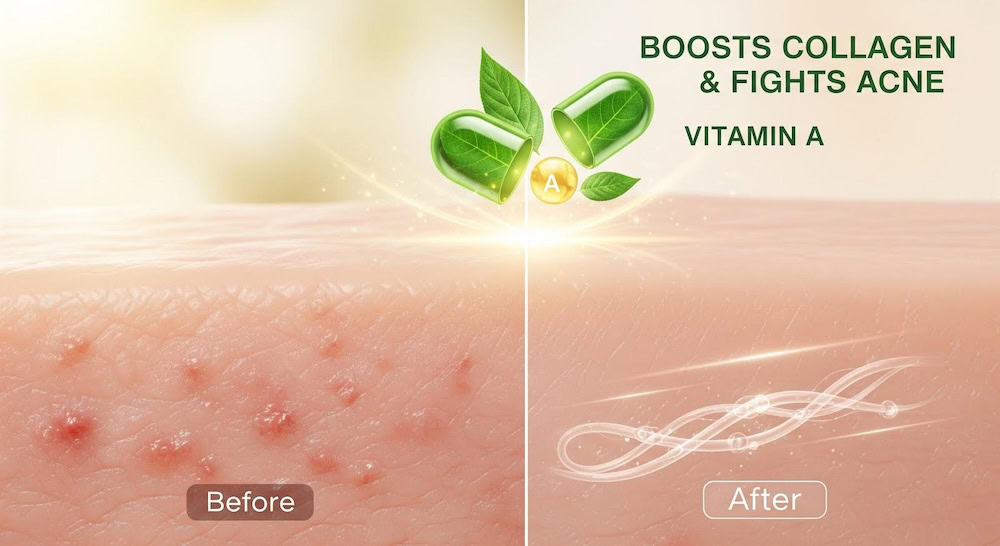
Retinol is perhaps the most popular and well-studied vitamin A derivative in skincare. As mentioned earlier, it is also part of the retinoid family, and a trusted ingredient for boosting collagen, increasing cell turnover, and minimising acne and pigmentation.
While retinol has long been the go-to for anti-ageing skincare and is found in a wide range of over-the-counter products, its effectiveness depends on your skin’s ability to convert it into retinoic acid.
Read: Understanding retinol, retinal and retinoid acids: efficacy, conversions and mode of actions
Chemical Composition & Conversion Pathway for Retinol
Chemically known as vitamin A alcohol, retinol must undergo two conversion steps before it becomes the active retinoic acid your skin can use:
Retinol → Retinal → Retinoic Acid
See diagram HERE.
Each conversion step slightly reduces potency, meaning results can take longer to appear compared to retinal. However, this also makes retinol gentler and ideal for those new to vitamin A or with sensitive skin.
How Do Retinol and Retinal Work in Skincare?
Both retinol and retinal enhance skin renewal at the cellular level. They are scientifically proven to:
- Remodel photoaging skin [aged skin due to UV radiation]
- Stimulate collagen production and improve skin elasticity
- Increase cell turnover, fading fine lines, wrinkles, and pigmentation
- Help treat acne by unclogging pores and reducing inflammation
- Refine skin texture and even out skin tone
At Clique Clinic, many patients use retinoids alongside professional treatments such as laser resurfacing, RF micro needling, or PDRN skin boosters. This combination accelerates results, offering smoother skin texture, firmer, and overall more youthful-looking skin.
Retinol vs Retinal: Difference
Understanding the retinal vs retinol difference helps you choose the best option for your skin’s needs and tolerance level.
| Feature | Retinol | Retinal |
| Conversion Steps | 2 steps to retinoic acid | 1 step to retinoic acid |
| Strength | Moderate | Stronger (up to 11x more potent) |
| Irritation Potential | Lower | Slightly higher |
| Speed of Results | Slower | Faster |
| Stability in Products | Less stable | More stable (if well-formulated) |
Because retinal is closer to retinoic acid, it acts more quickly and delivers faster results in reducing fine lines and acne. However, it can also cause more dryness or sensitivity, especially if overused without professional advice.
Retinol vs Retinal for Skin: Which Is Better?
Let’s explore how both ingredients perform in different skin concerns and conditions.
Retinol Benefits
- Widely available and clinically researched
- Suitable for beginners and most skin types
- Lower risk of irritation or redness
- Excellent introduction to vitamin A-based skincare
Retinol Disadvantages
- Slower results, often visible only after 12–16 weeks
- Not suitable for use in daytime
- Requires consistent use for long-term improvement
Retinal Benefits
- Faster and stronger effects due to one-step conversion
- Powerful anti-ageing benefits for wrinkles and texture
- Natural antibacterial action, beneficial for acne-prone skin
- Works well with advanced aesthetic treatments for visible rejuvenation
Retinal Disadvantages
- May cause mild irritation or dryness for sensitive skin
- Usually more expensive and less common in skincare
- Should be introduced gradually and preferably under guidance
Which One Should You Use?
- For beginners or sensitive skin: Retinol (0.25%–0.5%) is a good start.
- For faster results or acne-prone skin: Retinal may be the more effective option.
- For mature or sun-damaged skin: Retinal’s potency makes it ideal for visible rejuvenation.
- For pregnancy or breastfeeding: Retinoids, including retinol and retinal, are not recommended during this period. Always seek professional medical advice.
At Clique Clinic, our doctors often customise skincare protocols based on your skin type, lifestyle, and treatment goals. For instance, patients undergoing melasma treatments or laser rejuvenation may benefit from incorporating retinoids strategically between in-clinic sessions for optimal results.
How to Use Retinal and Retinol in Your Skincare Routine?
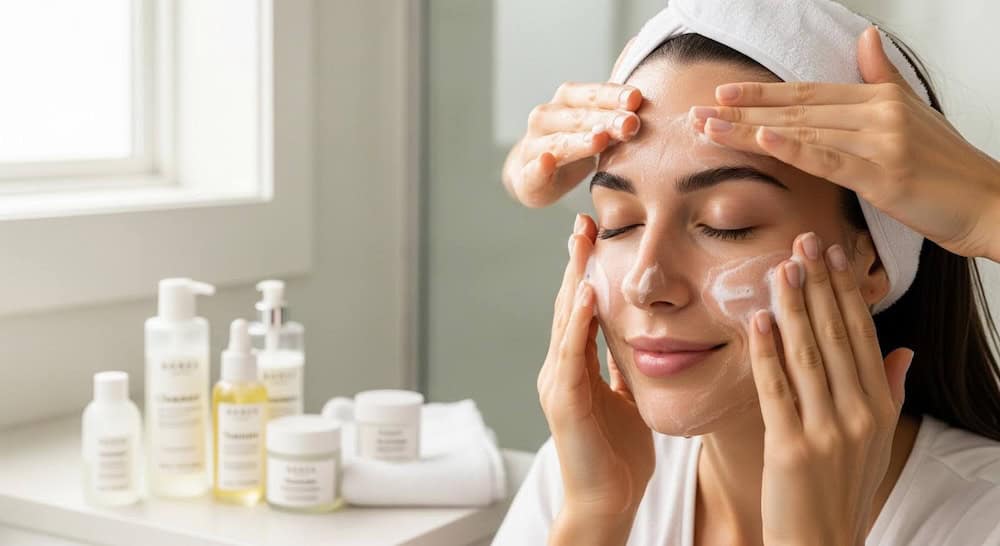
Retinoids are powerful, but they must be used correctly to avoid irritation and ensure visible results.
Guidelines for safe use:
- Apply only at night on completely dry skin after cleansing
- Start with 2–3 times a week, gradually increasing frequency
- Only use a pea-sized amount for the entire face
- Use together with a hydrating moisturiser to prevent dryness, or use a sandwich technique – a layer of moisturiser on the face, followed by a pea-sized retinol/retinal spread out evenly and lastly another layer of moisturiser
- Always use sunscreen daily, as retinoids increase sun sensitivity
- Avoid combining with strong skin exfoliating acids (AHAs, BHAs) or benzoyl peroxide unless guided by a doctor
Our Clique Clinic doctors often combine retinoid therapy with in-office treatments like micro needling or skin boosters to enhance collagen regeneration and improve skin texture without compromising skin health.
Final Thoughts
Both retinal and retinol are scientifically backed powerhouses for improving skin quality, reducing wrinkles, and preventing acne.
- Retinol is perfect for beginners and those with sensitive or dry skin.
- Retinal offers faster results and stronger anti-ageing benefits for those with acne-prone or mature skin.
- The choice depends on your skin tolerance, goals, and consistency in use.
For Malaysians seeking visible, lasting results beyond skincare, Clique Clinic offers integrated aesthetic programs that combine retinoid-based skincare with advanced treatments such as lasers, PDRN boosters, and RF microneedling.
If you’re unsure which form of vitamin A suits your skin best, book a consultation with our doctors. We will help you design a personalised treatment plan for your skin type, ensuring you achieve a healthy, radiant glow safely and effectively! wa.me/60123537960