Post-Inflammatory Hyperpigmentation: What is it, Causes & Prevention
Key Takeaways
- PIH: occurs after skin inflammation or injury, resulting in dark, flat spots that are more common in medium to dark skin tones.
- Common triggers: include acne, eczema, cosmetic procedures, and sun exposure, all of which increase melanin production.
- PIH: is not permanent. It often fades over 6–12 months, but may take longer depending on depth and severity.
- Preventing PIH: involves avoiding skin trauma, using daily sunscreen, and practising gentle skincare.
- Topical treatments: like niacinamide, azelaic acid, retinoids, and vitamin C can reduce melanin and support healing.
- Professional therapies: such as chemical peels, microneedling, and laser treatments may be needed for persistent or deeper pigmentation.
Introduction
PIH is a notably prevalent concern for people with medium to dark skin tones.
In practice, the skin produces extra melanin in response to irritation or trauma, leading to the development of patches. PIH can be disconcerting, significantly impacting self-esteem and quality of life.
To exacerbate issues, PIH can sometimes be resistant to many first-line therapies, dictating more advanced treatments. Despite its persistence and prevalence, there are several documented effective interventions available.
This article seeks to discuss PIH and its effects on darker-skinned patients. It also aims to explore the diverse interventions that may help treat the recalcitrant hyperpigmentation. So, without further ado, let’s get started!

What is Post-Inflammatory Hyperpigmentation (PIH)?
The colour and tone of one’s skin are determined by the quantity and distribution of melanin pigment. Melanin absorbs and reflects UV radiation, preventing damage to genomic DNA in the epidermis.
However, elevated melanin levels combined with inflammatory extrinsic stressors such as excessive UVR, allergic reactions, or trauma may result in discolouration and scarring.
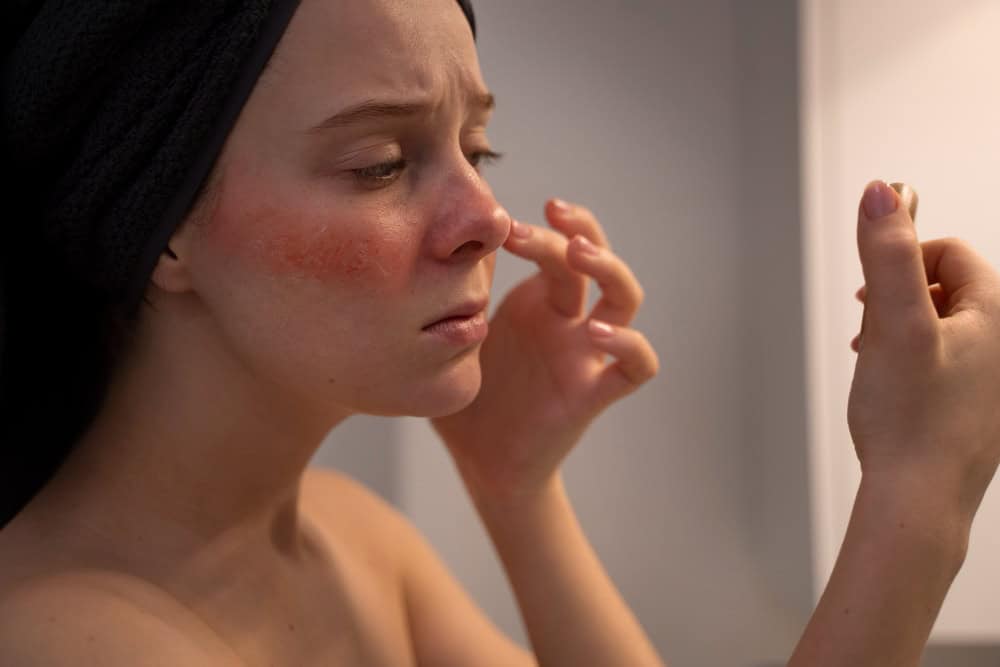
Post-inflammatory hyperpigmentation (PIH) is an acquired hyperpigmentation condition that occurs after cutaneous inflammation or injury. In practice, it manifests as flat brown, black, or dark spots, depending on skin tone.
Characterised by an excess deposition of melanin in one’s skin, it can affect all skin types. However, it’s more prevalent in individuals with medium to dark skin tones.
Post-inflammatory hyperpigmentation vs melasma
Although both melasma and PIH are characterised by darkened skin patches, they differ in their aetiology, appearance, and distribution.
PIH manifests as an irregular, asymmetrical pigmentary response to skin inflammation or injury. In contrast, melasma is a chronic, symmetrical hyperpigmentation primarily triggered by hormonal influences and sun exposure.
While PIH afflicts individuals of any gender and skin type, melasma is more prevalent in women, often triggered by pregnancy or hormonal treatments. Furthermore, treatment for PIH frequently leads to resolution over time. However, melasma usually requires ongoing management due to its highly persistent nature.
For more reading, check out: Melasma vs Hyperpigmentation: Understanding the Difference & Treatment Approaches.
Is PIH permanent?
PIH is usually not permanent and often fades over time. However, this process can take several months to years, depending on the severity of the inflammation and depth of the pigment.
Additionally, PIH can recur, or new spots may develop after fading. As such, patience is necessary as there is no quick fix for PIH.
What causes PIH?
Recognising PIH’s predisposing factors is essential in managing and preventing this usually distressing condition.
PIH is caused by an overproduction or irregular dispersion of melanin triggered by various elements, such as:
- Acne and blemishes: Inflammation caused by acne breakouts may stimulate melanocytes to produce excess melanin. Oftentimes, the severity of PIH correlates with the intensity of inflammation.
- Skin injuries or trauma: Cuts, burns, insect bites, or harsh exfoliation may sometimes trigger an inflammatory response that causes melanin overproduction.
- Eczema and Psoriasis: Chronic inflammation from skin disorders like eczema and psoriasis may lead to prolonged melanocyte activation.
- Cosmetic procedures: Chemical peels and microneedling can sometimes induce skin injury that results in PIH, if not performed properly or without adequate aftercare.
- Sun exposure after inflammation: Ultraviolet (UV) radiation may aggravate PIH by stimulating further melanin production in already inflamed or healing skin.
Who is more prone to PIH?
While PIH is chronic and can afflict almost any individual, specific individuals are most prone to the condition, namely:
- Individuals with Fitzpatrick skin types IV–VI (darker skin tones). These inherently have more active melanocytes, producing more melanin than other skin types.
- People with acne-prone or sensitive skin who react easily to irritation or inflammation.
- Individuals with a history of excessive picking or scratching at blemishes may trigger melanocyte activation, significantly raising the risk of PIH.
How to avoid post-inflammatory hyperpigmentation?
To increase your chances of averting any PIH occurrences, consider the following:
- Avoiding picking or scratching: Picking or scratching worsens inflammation and damages the skin barrier. This consequently increases the risk of stimulating excess melanin production.
- Sun protection: Daily utilisation of broad-spectrum sunscreen with SPF 30 or higher is key to protect healing skin from UV rays. Additional measures include wearing hats or avoiding sun exposure during peak hours.

- Proper aftercare for skin treatments: Follow the dermatologist’s instructions carefully after advanced procedures like chemical peels, laser therapy, or microneedling. This is crucial as inadequate aftercare can increase the risk of PIH.
- Gentle skincare routine: Employ non-irritating products with calming ingredients that help reduce inflammation and support skin healing. Additionally, avoid over-exfoliation as it may trigger PIH.
Post-Inflammatory Hyperpigmentation treatment
Though PIH can be upsetting, there are a few efficient interventions that can balance out skin tone. The severity of PIH, skin type, and underlying reasons all influence the therapy options. Here are some examples of professional and topical options:
Topical treatments
Topical treatments are applied directly to one’s skin to target PIH. Most of these treatments work by reducing melanin production and promoting skin cell turnover. Often, these treatments are used alone or in combination for enhanced effectiveness.
The most common ones deployed as the first-line treatment for PIH before considering more invasive procedures are:
- Niacinamide: Niacinamide is a derivative of vitamin B3 that helps reduce inflammation and regulate melanin production. It’s gentle and suited to most skin types.
- Retinoids: These vitamin A derivatives (retinol and tretinoin) primarily promote cell turnover. This, in turn, helps to fade hyperpigmentation and improve skin texture. However, while highly effective, they should be introduced gradually to avoid irritation.
- Azelaic Acid: This ingredient is characterised by anti-inflammatory and skin-brightening properties. It’s highly effective for treating PIH in acne-prone or sensitive skin.
- Vitamin C: This antioxidant inhibits melanin production, helping lighten dark spots and augment overall skin radiance.
Professional treatments
Professional treatments for PIH are advanced procedures orchestrated by dermatologists to target stubborn or widespread pigmentation that doesn’t respond to topical therapies.
Chemical peels
Superficial chemical peels, consisting of glycolic acid or salicylic acid, exfoliate the top layers of one’s skin. Thereby, revealing newer, less pigmented skin beneath.
In practice, the depth and type of peel are tailored to the patient’s skin type and pigmentation severity. Furthermore, a series of treatments is often needed for optimal results.
Crucially, this treatment should be performed by a trained professional to minimise the risk of further pigmentation.
Microneedling
This advanced technique stimulates the formation of collagen and improves the penetration of topical therapies by carefully creating tiny punctures in the skin with small needles. Over numerous sessions, microneedling appreciably enhances skin texture and reduces PIH. However, it should only be done by professionals to guarantee safety and efficacy.
Laser therapy
Laser treatments, like Pico Genesis and PicoSure, selectively target and break down melanin deposits in one’s skin. Consequently, the body clears them away naturally.
Generally, these specialised devices are particularly effective for persistent PIH. However, they require dermatologist supervision and adjustment for skin type to avoid complications.
How long for Post-Inflammatory Hyperpigmentation to fade?
PIH normally goes away with time. However, the length of persistence depends on one’s skin type, depth of pigmentation, and intensity of the initial inflammation.
While deeper dermal PIH can linger for years and occasionally be permanent without treatment, epidermal PIH, which occurs in the top layers of the skin, usually goes away in 6 to 12 months.
Since fading is a long process, patience is necessary, even in the absence of treatment. Furthermore, sun protection is vital to preventing worsening pigmentation during healing.
When to see a dermatologist?
One should see an experienced dermatologist if their PIH doesn’t improve with over-the-counter treatments. A dermatologist can prescribe stronger, prescription-strength creams that are more effective in fading stubborn dark spots.
Or if stronger topical interventions fail, they can recommend safer and more targeted cosmetic procedures like laser therapy, tailored to your skin type and PIH severity.
Remember, the extent and persistence of PIH depend on the depth of melanin deposition and inflammation.
Overall, early professional intervention is mission-critical if pigmentation persists beyond 6 to 12 months. This can prevent the spots from becoming long-lasting or permanent.
Conclusion
PIH presents itself as dark and flattened spots, which can range in colour from brown to black depending on the extent of damage and skin tone. It is mainly caused by excessive melanin synthesis, triggered by inflammatory allergies, burns, and injuries.
Though this chronic condition usually improves spontaneously, the process can take months or even years, necessitating prolonged treatment. Despite its slow resolution and negative aesthetic impact, it’s manageable with professional care.
Effective management typically entails procedural treatments like topical agents, chemical peels, microneedling, and laser therapy, combined with strict sun protection and controlling skin inflammation.
While these interventions can appreciably improve PIH, treatment response varies. Furthermore, these therapies often require medical supervision, as some may have side effects if misused.
For personalised PIH treatment options and expert care, consider Clique Clinic. We offer a comprehensive approach to managing PIH. Each treatment plan is tailored to one’s skin type, combining ongoing maintenance with aftercare for optimal results.