Dyshidrotic Eczema: Symptoms, Causes, Treatment
Key Takeaways:
- Dyshidrotic eczema is a chronic skin condition marked by small, itchy blisters on the hands and feet—often triggered by stress, allergens, or irritants.
- Common symptoms include burning, redness, blisters, peeling, and painful skin fissures—often lasting 2 to 3 weeks per episode.
- Key causes & triggers: Metal allergies (e.g., nickel, cobalt), irritants in soaps or detergents, emotional stress, fungal infections, genetic predisposition, humid weather (especially in Malaysia)
- Medical treatments: Topical corticosteroids, Calcineurin inhibitors, Antihistamines and oral steroids (for severe cases) and advanced therapies like Phototherapy to reduce inflammation, Potenza RF microneedling, and PicoSure laser to enhance healing and collagen production.
- Professional help is needed if symptoms worsen, become painful, or do not improve with OTC treatments.
Introduction
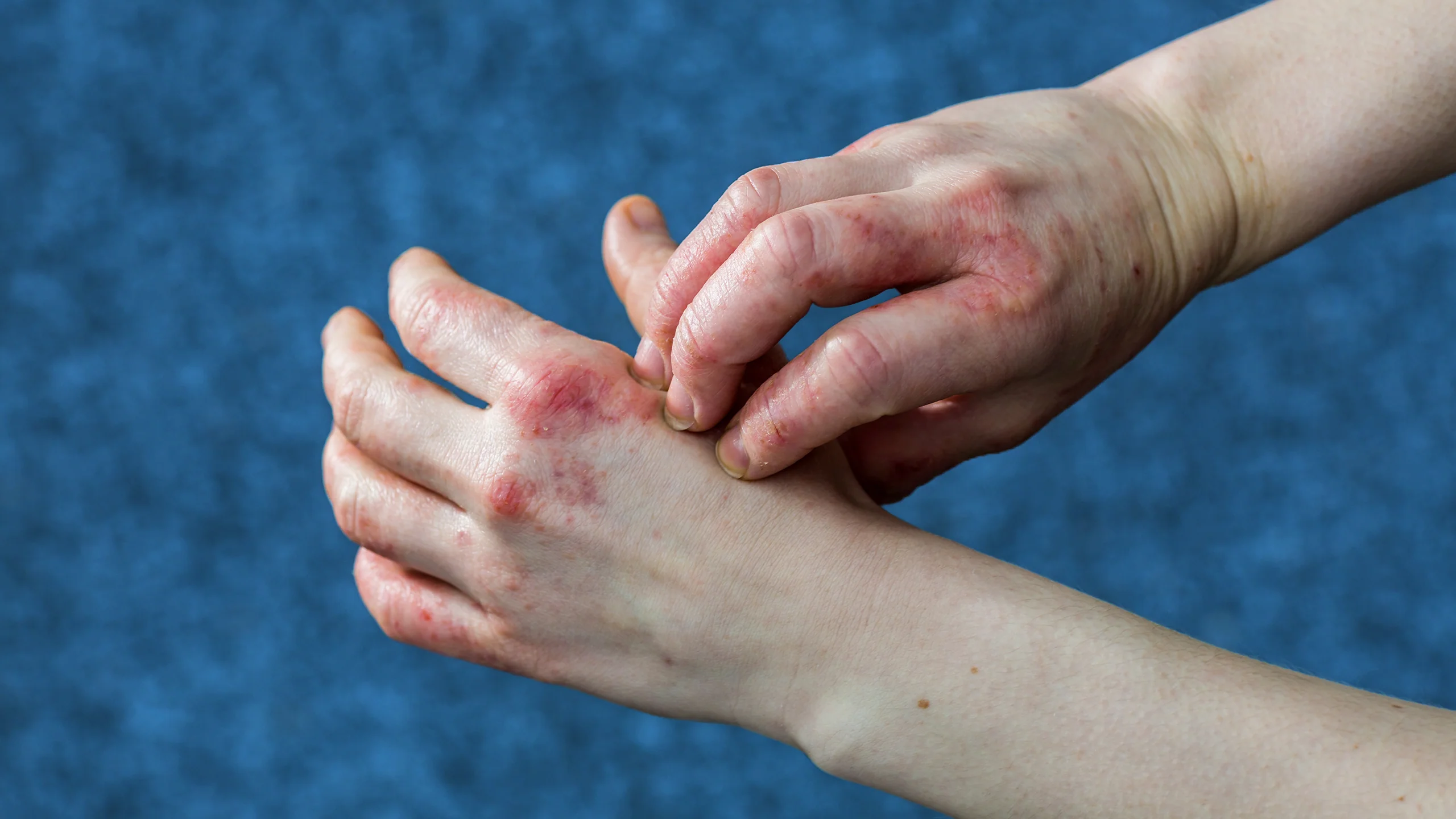
Dyshidrotic eczema— a variant of eczema that affects one’s hands and feet— can significantly affect an individual’s emotional well-being. Its visible nature often leads to feelings of self-consciousness, especially in social settings.
In fact, many people with dyshidrotic eczema usually refrain from swimming or wearing open-toed shoes. To exacerbate issues, they typically have to navigate unsettling symptoms like itching and inflammation.
Fortunately, several proven interventions can help manage dyshidrotic eczema and alleviate its symptoms. This blog aims to unpack those therapies and discuss dyshidrotic eczema’s causes and symptoms at length.
What is Dyshidrotic Eczema?
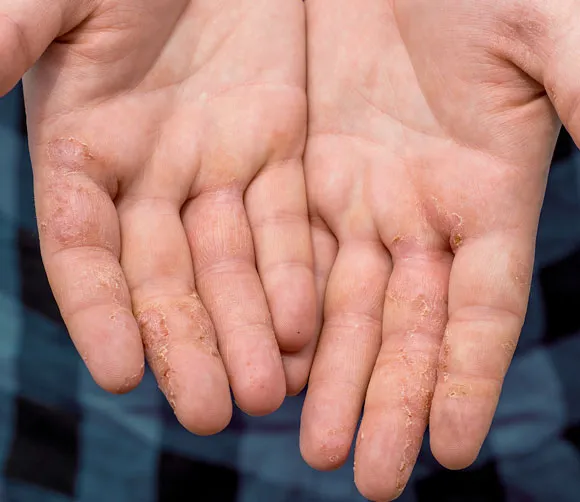
Dyshidrotic eczema is a persistent skin disorder that is characterised by the formation of tiny, extremely itchy blisters— usually on the hands and feet. These blisters generally affect the palms, sides of the fingers, and soles of the feet. They can be quite uncomfortable and interfere with a person’s everyday activities.
Also known as pompholyx, this disorder is recurrent, with episodes lasting several weeks at a time. As such, proper treatment and management are mission-critical to controlling symptoms, preventing complications, and improving quality of life.
Generally, when compared to other types of dermatitis, this particular type of eczema has a distinct genesis and presentation. The term “dyshidrosis” originates from the Greek words “hidros,” which means sweat, and “dys,” which means bad or difficult. At first, doctors believed that the disorder was caused by a malfunctioning sweat gland—hence the name.
Although its precise aetiology is still unknown, a number of variables are believed to induce or worsen the illness. For example, stress, allergies, exposure to specific metals (such as nickel or cobalt), and frequent hand washing.
Overall, it mostly affects adults between the ages of 20 and 40—affecting more women than men. In fact, it accounts for a smaller portion of all eczema cases, with studies suggesting it presents in about 5-20% of hand dermatitis cases in Malaysia.
For more reading, check out: “The Ultimate Guidebook to Conquering Eczema”
Dyshidrotic Eczema vs. Other Skin Conditions
Despite similarities with other skin disorders, dyshidrotic eczema possesses distinct characteristics. Its main symptoms are small, extremely irritating blisters on the palms, sides of fingers, and soles of the feet.
In contrast to other skin conditions like contact dermatitis, dyshidrotic eczema blisters are more localised and may be fluid-filled. Over time, this may cause one’s skin to split and peel.
Furthermore, dyshidrotic eczema differs from fungal infections in its appearance and distribution. In practice, fungal infections often cause circular, red, scaly patches that may have a raised border. On the other hand, dyshidrotic eczema normally manifests as blisters on the hands and feet.
Symptoms of Dyshidrotic Eczema
Dyshidrotic eczema is characterised by symptoms like:
- Small itchy blisters on one’s fingers, palms, and soles of the feet. These are usually small, fluid-filled, and intensely itchy—often forming in clusters.
- Painful cracks and skin fissures, especially if the skin is scratched frequently.
- Redness, inflammation, and scaling once the blisters have healed.
- A burning sensation, itching, or a prickly feeling on the skin
- Scratching may lead to infection, indicated by swelling, crusting, or pus in the blisters
Overall, symptoms usually commence with intense itching or a burning sensation before blisters appear. Blisters typically last for 2 to 3 weeks. The skin around the blisters may be sweaty, which can exacerbate symptoms. As blisters resolve, the skin becomes dry, peels, and may crack. In darker skin tones, hyperpigmentation may occur.
Common causes and triggers for Dyshidrotic Eczema
There are numerous triggers and causes for dyshidrotic eczema. The following are a few common triggers linked to its development:
- Allergic reactions to metals: Metals such as nickel and cobalt have been shown to cause dyshidrotic eczema in sensitive people.
- Chemical and irritant exposure: Some chemicals in soaps, detergents, and occupational exposures may irritate the skin and trigger flare-ups.
- Fungal infections: Although they are not the direct cause, fungal infections like athlete’s foot may occasionally induce or worsen dyshidrotic eczema.
- Emotional and stress factors: Stress is well known to be a major cause of flare-ups of dyshidrotic eczema. It can worsen symptoms and trigger recurrence.
- Genetic predisposition: Dyshidrotic eczema is more common in people with a family history of eczema or other skin disorders, thus indicating a strong genetic predisposition case.
- Weather and humidity changes: The hot, humid atmosphere of places like Malaysia might contribute to the exacerbation of dyshidrotic eczema. Excessive perspiration due to high humidity can irritate skin and cause flare-ups.
Diagnosis process
The diagnosis of dyshidrotic eczema can be broken down into three main parts, namely:
- Dermatologists’ medical examination: A dermatologist examines the afflicted skin areas physically—paying particular attention to blisters and other common signs.
- Differential diagnosis from similar conditions: To rule out diseases like fungal infections or contact dermatitis, tests such as skin biopsies or scraping may be carried out.
- Patch testing for allergens: If an allergy is considered a trigger, this step can help pinpoint certain allergens, such as nickel or cobalt, that might be triggering flare-ups.
If symptoms intensify, such as pus, excruciating pain, or crusting, it’s imperative to seek professional help from LCP-certified doctors at Clique Clinic.
Treatment of Dyshidrotic Eczema, Malaysia: Options
Several professional and home-based therapeutic options exist that can address dyshidrotic eczema. Let’s take a look at some, shall we?
Medical treatments
The main goals of medical therapy for dyshidrotic eczema are to lessen inflammation, itching, and infection. Typical effective treatments consist of:
- Topical corticosteroids: Often used as the initial treatment, these ointments or lotions aid in reducing inflammation. However, similar caution when using retinol on sensitive skin is advised when using strong topical treatments.
- Calcineurin Inhibitors: These drugs can reduce inflammation without the side effects associated with prolonged steroid use.
- Antihistamines: Oral antihistamines may be prescribed to reduce itching caused by dyshidrotic eczema.
- Oral steroids: In extreme cases, oral corticosteroids may be administered to rapidly reduce inflammation and manage dyshidrotic symptoms.
Professional dermatology treatments
In situations where dyshidrotic eczema is severe or resistant, professional dermatology treatments are recommended, namely:
Phototherapy options: This method leverages disparate light wavelengths, such as ultraviolet (UV) radiation, to lessen itching and inflammation. It is usually applied when topical therapies are ineffective.
Advanced therapies:
- PicoSure Laser Treatment: This state-of-the-art laser technology can help manage dyshidrotic eczema. However, its efficacy is still being studied.
- Potenza RF Microneedling: This procedure exploits radiofrequency energy in conjunction with microneedling to enhance skin texture and promote the creation of collagen. It can improve skin health and possibly speed up the dyshidrotic eczema healing process.
Home remedies and self-care
Some self-care routines and home treatments may help deliver cost-friendly treatment of dyshidrotic eczema. For instance:
- Emollients can assist in preserving the skin’s protective layer and avoid dryness.
- Avoiding triggers like nickel, stress, and irritants can help appreciably lessen flare-ups.
- Utilising protective barriers or wearing gloves when doing the dishes can prevent exposure to irritants during activities.
- Consuming a balanced diet and avoiding foods that cause inflammation, or allergies can help promote general skin health.
How to prevent Dyshidrotic Eczema?
A multifaceted is usually required to prevent dyshidrotic eczema. Here are some actionable tips to progressively manage and prevent dyshidrotic eczema flare-ups:
- Monitor possible triggers, including environmental elements, irritants, and allergies (such as nickel or cobalt). In fact, always wear gloves or protective barriers during activities to prevent direct contact with recognised triggers.
- To keep skin hydrated, especially after hand washing, use barrier creams or moisturisers without fragrances regularly. To avoid irritation, use lukewarm water and gentle, non-soap cleaners.
- Since stress is a common cause of flare-ups, try stress-reduction techniques like yoga, meditation, or biofeedback therapy.
- In hot regions like Malaysia, stay cool and hydrated to prevent excessive perspiration or dryness.
When to consult a professional for Dyshidrotic Eczema?
Several signs typically indicate that your dyshidrotic eczema requires immediate medical attention. For instance, if you experience severe burning, redness, or persistent itching that worsens in spite of over-the-counter remedies, then you certainly should speak with a physician.
A certified aesthetic physician can prescribe cutting-edge treatment options customised to meet your needs to control dyshidrotic eczema symptoms.
Also read: Choosing the Right Aesthetic Physician for Yourself.
FAQs on Dyshidrotic Eczema
Is Dyshidrotic eczema contagious?
Individuals cannot contract dyshidrotic eczema from one another through direct contact, shared surfaces, or objects.
While dyshidrotic eczema may resemble some infectious skin diseases, like fungal infections, it’s mainly caused by a genetic predisposition, stress, allergies, or irritants.
What body parts are affected by dyshidrotic eczema?
Dyshidrotic eczema primarily affects one’s hands and feet. The severity can vary, ranging from mild cases with just a few small bumps on hands. Overall, it presents itself as small bumps on palms or fluid-filled blisters along the sides of the fingers.
On the feet, blisters appear on the soles and sometimes extend to the toes. It’s imperative to note that dyshidrotic eczema rarely, if ever, affects the face. Its occurrence is almost exclusively limited to the hands and feet.
Can children develop Dyshidrotic eczema?
Yes, dyshidrotic eczema can develop in children. However, it usually appears after the age of ten and is uncommon in younger children. Children’s dyshidrotic eczema is typically caused by exposure to allergens, irritants, hot weather, or emotional stress.
Does Dyshidrotic eczema ever go away completely?
In general, dyshidrotic eczema is regarded as a chronic illness. This means that rather than going away entirely, it may reoccur or remain over time.
Although people have times when their symptoms disappear, triggers like stress, allergies, or environmental conditions can cause flare-ups.
Is dyshidrotic eczema caused by stress?
Although stress isn’t a direct cause of dyshidrotic eczema, it can be a major trigger for flare-ups in those predisposed to the condition.
Stress inherently causes the body to release hormones like cortisol, which can impair the skin’s barrier function and trigger an inflammatory reaction. This inflammatory response may trigger or worsen dyshidrotic eczema symptoms.
Is dyshidrotic eczema dangerous?
Dyshidrotic eczema is not dangerous or fatal. It’s considered a harmless condition for most healthy individuals since it doesn’t affect one’s internal organs. However, severe cases can cause intense discomfort and potential bacterial infections.
Conclusion
The visible nature of dyshidrotic eczema can lead to feelings of embarrassment in social and professional settings. To stop the cycle of stress and flare-ups, it’s imperative to adopt a comprehensive strategy that’s guided by professional help.
Thankfully, there are several tried-and-tested methods for managing dyshidrotic eczema. Topical therapies, like corticosteroid ointments and creams, can successfully lessen stinging and inflammation. Oral drugs such as immunosuppressants or antihistamines may help manage severe cases.
However, the most effective approach is to combine oral treatments with dermatological phototherapies and microneedling.
Book an appointment at Clique Clinic, and our certified professionals can curate a personalised treatment plan that appreciably lessens the condition’s visibility and symptoms.