Xylitol in Skincare: All You Need To Know
Xylitol as a skincare ingredient may come as a surprise to many, as it is far better known as a sweetener found in chewing gum and toothpaste. But no, it is not being used to make your skincare taste sweet! In skincare, Xylitol plays a very different and far more useful role.
It is primarily used for its hydrating, barrier-reinforcing, and microbiome-supporting properties, which make it a gentle yet effective addition to modern formulations, especially for dry or sensitive skin.
In this article, we explore everything you need to know about Xylitol: what it is, how it works, its benefits, how to use it, and why it’s gaining traction among dermatologists and cosmetic formulators alike.
What is Xylitol?
Xylitol is a naturally occurring sugar alcohol (polyol) derived from plant sources like birch trees, hardwoods, or corn cobs. In skincare formulations, Xylitol has become a potent humectant and skin-conditioning agent in topical products.
What makes Xylitol unique is its dual action: as a humectant, it draws moisture into the skin while supporting the balance of good bacteria on the skin’s surface.
At Clique Clinic, we integrate Xylitol-based formulations into protocols for patients dealing with post-procedure dryness, eczema-prone skin, or simply those in need of a hydration boost.
Chemical Composition & Properties of Xylitol
- Molecular formula: C₅H₁₂O₅.
- Structure: A five-carbon sugar alcohol.
- Texture: Crystalline, water-soluble, and non-sticky.
- Skin compatibility: Non-irritating, even at higher concentrations.
- Function: Moisture-binding and microbiome-supporting.
Due to its water-binding properties and biocompatibility, Xylitol is often chosen over traditional glycols or synthetic humectants in clean beauty and cosmeceutical brands.
How Xylitol Works in Skincare?
Xylitol benefits the skin on multiple levels, both superficially and deep within the epidermis.
1. Enhances Hydration: Xylitol functions as a humectant, attracting water from the atmosphere into the skin. It binds water molecules and helps retain moisture, especially in Malaysia’s often dehydrating indoor air-conditioned environments.

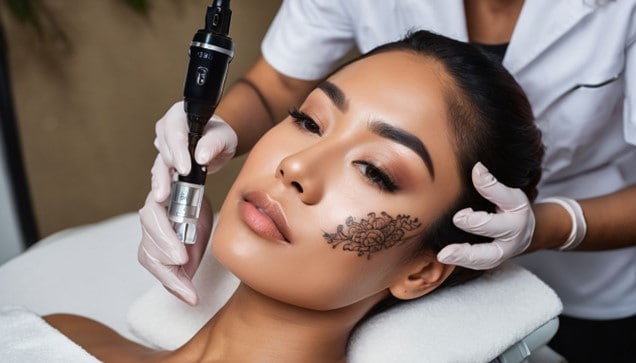
At Clique Clinic, we often recommend Xylitol-based serums to patients post-laser, post-microneedling, or after RF-microneedling to help lock in hydration and speed up recovery.
2. Supports the Skin Microbiome: Emerging research shows that Xylitol can selectively support beneficial bacteria on the skin’s surface. This is key for:
- Reducing acne flare-ups.
- Decreasing inflammation.
- Strengthening the skin’s acid mantle.
One study published notes that Xylitol inhibits pathogenic biofilm formation while supporting commensal (friendly) skin bacteria. Read the study here.
3. Reinforces the Skin Barrier: Xylitol has been shown to improve lipid synthesis in the outer skin layer, enhancing the barrier and reducing transepidermal water loss (TEWL). It makes other hydration-focused ingredients like ceramides, panthenol, and niacinamide work even better.
Xylitol Benefits
Here’s why you should often incorporate Xylitol-based skincare into your skincare regimen:
- Boosts Hydration: Attracts and binds water for long-lasting moisture.
- Reduces TEWL: Prevents dehydration by strengthening the skin’s protective layer.
- Enhances Ingredient Synergy: Improves performance of hyaluronic acid, glycerin, and ceramides.
- Microbiome Support: Encourages a healthy balance of skin flora.
- Soothes Sensitive Skin: Non-irritating and helps calm inflamed or red skin.
- Non-comedogenic: Safe for acne-prone or oily skin types.
- Barrier Repair Hero: Ideal for post-procedure recovery and mature skin.

Whether you’re dealing with dry skin, eczema, or premature aging, Xylitol adds a science-backed moisture boost to your routine.
Xylitol Side Effects & Considerations
Generally, Xylitol is extremely well tolerated across skin types. However, there are a few caveats:
- Sensitivity on broken skin: Rare stinging sensation if applied to raw or cracked skin at high concentrations.
- Not an exfoliant: It’s important not to confuse Xylitol with other sugar-derived acids like lactic acid or glycolic acid.
- Watch out for contamination: As a sugar-based molecule, Xylitol-containing products need preservative stability to avoid microbial growth. This can be a concern with poorly formulated DIY products.
At Clique Clinic, we encourage the use of medical-grade cosmeceuticals that contain stabilized and properly preserved forms of Xylitol.
How to Use Xylitol in Your Skincare Routine?
You’ll often find Xylitol listed as:
- Xylitylglucoside
- Anhydroxylitol
- Xylitol (plain form)
Common Product Types:
- Moisturizers – to improve skin hydration.
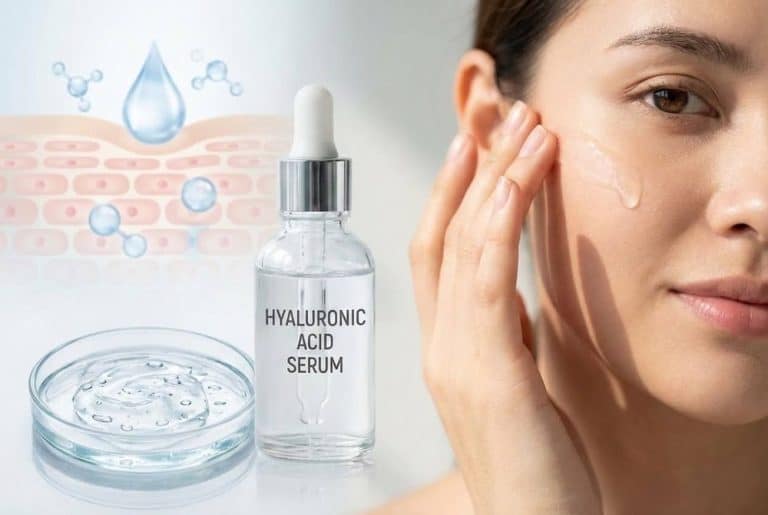
- Serums – usually paired with HA and glycerin.
- Toners and Essences – refreshing and hydrating boost.
- Cleansers – gentle yet moisturizing face washes.
Works Well With:
- Glycerin
- Hyaluronic Acid
- Niacinamide
- Panthenol
- Ceramides
Our doctors recommend Xylitol-containing products as part of morning and night skincare routines, especially for:
- Laser or RF post-care.
- Skin booster aftercare.
- Microneedling maintenance.
- Dehydrated or tight-feeling skin due to air-conditioned environments or travel.
Who Should Use Xylitol?
The beauty of Xylitol lies in its universality:
- Dry or flaky skin.
- Sensitive or reactive skin.
- Acne-prone or oily skin.
- Eczema or rosacea-prone skin.
- Mature skin lacking moisture.
- Barrier-compromised or post-treatment skin.
Whether you’re in your 20s looking to prevent future dehydration or in your 40s seeking barrier repair, Xylitol is a smart, gentle hydrator.
Is Xylitol Safe?
Absolutely. Xylitol is classified as safe for topical use by cosmetic safety databases and is non-toxic, non-sensitizing, and non-irritating.
However, always perform a patch test, especially if using it in higher concentrations or in new products. At Clique Clinic, we often conduct personalized consultations to evaluate which ingredients suit your skin type and aesthetic goals.
Final Thoughts: The Sweet Science of Skin Hydration
Xylitol is more than a sweet-tasting additive, it is a hydration hero and barrier-balancing agent that plays well with other skincare ingredients.
Its ability to enhance the microbiome, boost hydration, and calm irritation makes it a multitasking gem in modern skincare, especially for those dealing with sensitivity or post-procedure dryness.
In the Malaysian climate, hot, humid, and with indoor dryness from AC, hydration needs go beyond just hyaluronic acid. Xylitol offers a smarter, synergistic approach to moisture management, barrier support, and skin health.
At Clique Clinic, we combine advanced medical aesthetics with proven skincare science to help you achieve radiant, resilient skin. If you’re unsure where to start, our doctors and skin therapists can guide you in selecting the right Xylitol-containing products for your skin type and concerns.
Let’s customise your perfect hydration strategy, gently, intelligently, and effectively.
Drop by Clique Clinic or contact us for a consultation today: wa.me/60123537960