Understanding Cryotherapy: Uses, Procedure, Risks & Benefits
Key takeaways:
- Cryotherapy uses controlled cold temperatures for medical, therapeutic and aesthetic purposes, with different methods depending on the target area.
- Treatments range from liquid nitrogen for warts and skin lesions to cryolipolysis for localised fat reduction and specialised probes for internal medical conditions.
- Each approach works differently, either by freezing unwanted tissue, targeting fat cells or temporarily influencing circulation and nerve activity.
- Cryotherapy benefits vary by procedure and may include targeted tissue removal, non-surgical body contouring and temporary relief from discomfort.
- The treatment process, temperature, number of sessions and recovery time depend on the area being treated and the technology used.
- Possible side effects include redness, swelling, numbness and blistering, while certain procedures carry additional risks.
- Cryotherapy fat freezing can improve body contours but is not intended for overall weight loss.
- A professional assessment helps determine which cryotherapy treatment is suitable for your concerns and medical history.
Introduction
From removing stubborn warts to reducing unwanted fat, cold temperatures are used in medicine and aesthetics in more ways than you might expect.
This approach, known as cryotherapy, involves applying controlled cold to specific tissues or exposing larger areas of the body to low temperatures for therapeutic purposes.
However, not every cryotherapy treatment works the same way. The equipment, temperature and procedure depend on the body area being treated and the intended outcome.
So, what is cryotherapy, and which treatments suit different concerns? Let’s explore how it works, its applications, benefits and potential risks.
What Is Cryotherapy?
Cryotherapy is a treatment approach that uses cold temperatures to produce specific effects on the body’s tissues.
In medical settings, extreme cold can destroy unwanted or abnormal cells. In aesthetic treatments, controlled cooling may target fat deposits or temporarily influence skin appearance.
There are also therapeutic applications that use cold exposure to manage discomfort or support recovery.
Depending on the purpose, cryotherapy may involve liquid nitrogen, specialised cooling applicators, cold-air chambers or medical probes.
The important distinction is that different cryotherapy treatments use cold in different ways. A procedure designed to remove a wart, for instance, cannot be used interchangeably with one intended to reduce abdominal fat.
How Does Cryotherapy Work?
The effects of cryotherapy depend on how cold the tissue becomes and how long it is exposed.
Generally, three mechanisms explain how different treatments work:
- Cellular freezing: Extremely low temperatures cause ice crystals to form within and around targeted cells, damaging their structures and leading to tissue destruction.
- Controlled fat-cell cooling: Cryolipolysis exposes selected fat deposits to cold temperatures, triggering fat-cell injury and gradual clearance by the body.
- Changes in circulation and nerve activity: Cooling can temporarily narrow blood vessels, reduce nerve signalling and influence local tissue responses.
These effects explain why cryotherapy is used in everything from medical procedures to non-surgical aesthetic treatments.
Types of Cryotherapy and Their Uses
Cryotherapy treatments vary depending on the body area and intended outcome. Here are the main types and their applications.
Cryotherapy for Warts and Skin Lesions
Cryotherapy for warts, also known as cryosurgery, uses liquid nitrogen to freeze and destroy targeted skin tissue.
It commonly treats warts on the hands and feet, as well as certain benign or precancerous skin lesions. The treated area may blister or form a scab before healing, and stubborn warts may require multiple sessions.
A proper diagnosis is important before treating any suspicious skin growth.
Cryotherapy for Fat Reduction
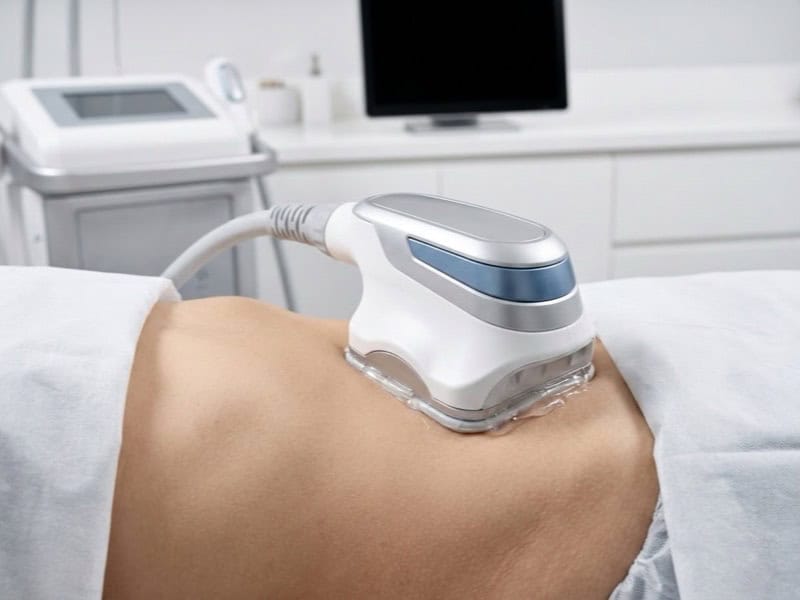
Also called cryolipolysis, cryotherapy fat freezing uses controlled cooling to reduce localised fat deposits around the abdomen, flanks, thighs, upper arms and beneath the chin.
The targeted fat cells are gradually cleared by the body over several weeks to months.
A 2025 systematic review and meta-analysis involving 30 studies and 3,158 participants found that cryolipolysis was associated with reductions in abdominal circumference and fat thickness.
At Clique Clinic, CoolSculpting and CRISTAL Pro offer a non-surgical approach to reducing suitable areas of stubborn fat.
Whole-Body Cryotherapy for Muscle Recovery
Whole-body cryotherapy involves spending a few minutes in a specialised chamber filled with extremely cold air.
It is commonly used by athletes and fitness enthusiasts to support post-exercise recovery, ease muscle soreness and promote a feeling of refreshment.
While some people report feeling better after a session, research into its effectiveness for muscle recovery is still developing.
Cryotherapy for Internal Medical Conditions
Known as cryoablation, this procedure uses image-guided probes to freeze and destroy selected abnormal tissues inside the body.
It may be used for certain kidney, liver, lung or prostate tumours and requires specialist medical supervision.
Cryotherapy for Facial Skin
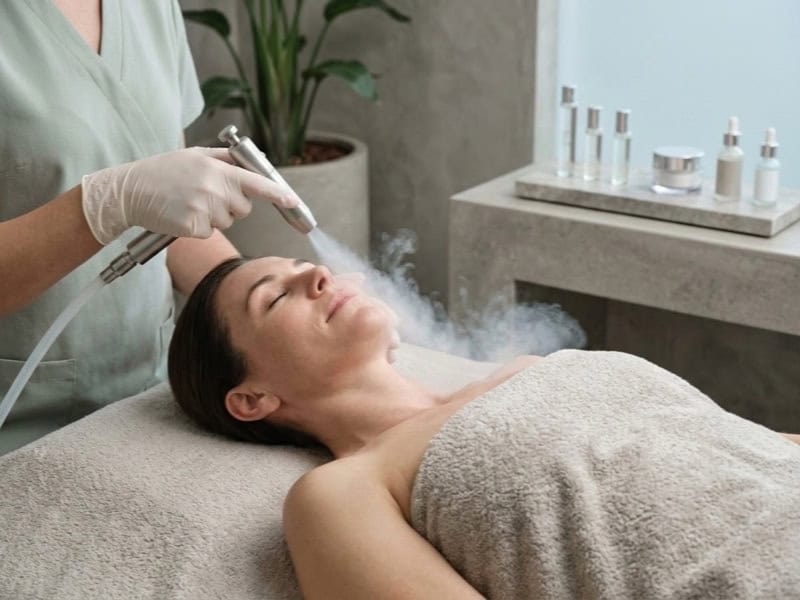
A cryotherapy facial uses controlled cooling to temporarily reduce puffiness, soothe the skin and refresh the complexion.
Some advanced treatments also combine cooling with complementary technologies to address additional skin concerns.
Also read: Cryo Facial Therapy: What Is It, Benefits, & Expectations.
Cryotherapy Treatments by Body Area
To make the differences easier to understand, here’s how cryotherapy methods vary by treatment area.
| Target Area | Cryotherapy Method | Main Purpose |
|---|---|---|
| Warts and skin lesions | Liquid nitrogen cryosurgery | Destroy selected abnormal skin tissue |
| Abdomen, thighs and flanks | Cryolipolysis applicator | Reduce localised fat |
| Under the chin | Specialised fat-freezing applicator | Reduce suitable submental fat |
| Face | Controlled facial cooling | Refresh and temporarily soothe the skin |
| Whole body | Cold-air chamber | Wellness and exercise-recovery applications |
| Internal organs | Image-guided cryoablation | Destroy selected abnormal tissue |
Each method requires different equipment, temperature controls and professional expertise.
What Are the Benefits of Cryotherapy?
When performed by a qualified professional, cryotherapy offers several benefits depending on the treatment type and target area:
- Non-Surgical Options: Many cryotherapy procedures require no incisions or stitches, making them less invasive than conventional surgery.
- Targeted Treatment: Clinicians can apply cold precisely to unwanted skin growths, abnormal tissue, or localised fat deposits.
- Minimal Downtime: Many skin and aesthetic treatments allow patients to return to daily activities shortly afterwards.
- Long-Term Fat Reduction: Cryolipolysis reduces targeted fat cells, which are gradually cleared by the body and do not regenerate in the same way.
- Quick Treatment for Skin Growths: Cryosurgery can freeze selected warts and skin lesions within minutes, although further sessions may be needed.
- Temporary Relief From Discomfort: Controlled cooling can help reduce swelling, soreness and certain types of inflammation.
What Happens During a Cryotherapy Procedure?
Although cryotherapy procedures differ, most begin with an assessment to determine whether cold-based treatment is appropriate.
1. Consultation and Assessment
Your practitioner examines the target area, reviews your medical history and recommends a suitable approach.
2. Treatment Preparation
The area is cleaned or prepared. Depending on the procedure, protective materials, local anaesthesia or imaging guidance may be required.
3. Cold Application
The selected device delivers cold to the treatment area. This may involve liquid nitrogen for warts, a cooling applicator for body contouring or a specialised probe for internal tissue.
4. Recovery and Aftercare
After treatment, your practitioner explains what to expect and how to care for the area.
Recovery varies significantly. Wart removal may cause blistering and scabbing, while fat freezing commonly involves temporary numbness, swelling or tenderness.
What Are the Risks and Side Effects of Cryotherapy?
Most side effects are mild and temporary, although they vary depending on the type of cryotherapy treatment:
- Redness, swelling and bruising around the treated area
- Numbness, tingling or tenderness that may last several weeks, particularly after fat freezing
- Blistering and scabbing following wart or skin lesion removal
- Temporary lightening or darkening of the skin, especially on darker skin tones
Less common complications include cold burns, scarring, nerve injury and paradoxical adipose hyperplasia (PAH), a rare condition where treated fat enlarges instead of shrinking after cryolipolysis.
People with cold urticaria, Raynaud’s phenomenon or certain circulation disorders should consult a doctor before undergoing cryotherapy to ensure the treatment is suitable for them.
Cryotherapy Weight Loss: Fact or Myth?
Cryotherapy fat reduction and weight loss are not the same thing.
Cryolipolysis is designed to reduce specific pockets of fat, not overall body weight. Someone may notice changes in their body contours without seeing a significant difference on the weighing scale.
Likewise, claims that whole-body cryotherapy burns substantial calories or produces meaningful weight loss are not supported by strong clinical evidence.
If your goal is to improve a particular body area rather than lose weight generally, fat-freezing treatment may be an option worth discussing with your doctor.
Also read: Fat Freezing (Cryolipolysis): Treatments, Effects, & Risks.
Choosing the Right Clinic for Cryotherapy in Malaysia
Although cryotherapy is generally well tolerated when performed correctly, choosing a qualified clinic is important for both safety and results.
Before booking a treatment, consider the following:
- Qualified Practitioners: For medical aesthetic procedures, look for appropriately registered and credentialed doctors, including relevant LCP credentials where required in Malaysia.
- Appropriate Equipment: Check whether the clinic uses genuine, properly maintained devices suited to your treatment needs.
- Treatment Experience: Experienced practitioners can assess the target area and select suitable treatment techniques and settings.
- Personalised Consultation: A proper assessment should cover your concerns, medical history, expected results and potential risks.
At Clique Clinic, our doctors provide personalised consultations and non-surgical aesthetic treatments tailored to individual needs. Whether you’re exploring fat reduction or other body contouring options, the focus is on selecting an appropriate treatment for your goals and suitability.
FAQ
What temperature is used during cryotherapy?
Cryotherapy temperatures vary widely. Liquid nitrogen is approximately −196°C, while whole-body cryotherapy chambers may operate below −100°C. Fat-freezing devices use controlled cooling settings designed for the targeted tissue, rather than the same temperatures used in cryosurgery.
Is cryotherapy fat freezing permanent?
Yes. Treated fat cells are destroyed and removed by the body. However, remaining fat cells can still grow if you gain weight. For more information, read: Fat Freezing vs Fat Burning Injection: How Each Works & Differences.
How many sessions of cryotherapy will I need?
It depends on the treatment. Fat freezing often needs one to two sessions per area. Warts may need two to four sessions.
Can cryotherapy help me lose weight?
No. It reduces fat in targeted areas and improves body shape, but it does not replace diet, exercise or medical weight management.
Is cryotherapy painful?
It depends on the procedure. Wart freezing can cause stinging or burning, while fat freezing typically produces cold, pulling or tingling sensations. Some treatments require anaesthesia.
How long does it take to recover from cryotherapy?
Recovery varies by treatment. Cryosurgery may require several days for the skin to heal, while many patients resume normal activities shortly after fat freezing. Internal procedures may require longer recovery.
Final Thoughts
Cryotherapy covers a wide range of treatments, from freezing abnormal skin tissue to reducing stubborn fat and supporting selected medical procedures.
What matters most is understanding that different body areas require different technologies, treatment temperatures and approaches.
If you’re considering cryotherapy for aesthetic concerns, start with a professional assessment to choose the right treatment.
Book a consultation at Clique Clinic to explore suitable non-surgical treatment options and receive personalised guidance based on your goals.