
EXOMIND vs Traditional Transcranial Magnetic Stimulation (TMS): What’s the Difference?
Key Takeaways
- EXOMIND is a modern rTMS platform that uses non-invasive magnetic pulses to stimulate targeted areas of the brain.
- EXOMIND and traditional TMS use the same core brain-stimulation principle but may follow different treatment protocols and schedules.
- Traditional clinical TMS is commonly used for diagnosed psychiatric conditions, particularly major depressive disorder.
- EXOMIND may deliver clinical protocols or shorter wellness-focused programmes for stress, burnout, brain fog, focus, and cognitive fatigue.
- Both approaches require no surgery, injections, anaesthesia, or downtime, although temporary scalp discomfort or mild headaches may occur.
- The right approach depends on the individual’s symptoms, diagnosis, medical history, and treatment goals rather than on one option being universally better.
Introduction
EXOMIND and traditional Transcranial Magnetic Stimulation may look like two separate treatments, but they are closely related.
Both use repetitive magnetic stimulation to influence brain activity without surgery, injections, or anaesthesia. The key difference is usually not the technology itself, but how it is used.
EXOMIND is a newer rTMS platform developed by BTL. Depending on the protocol, it may be used in clinical treatment or in wellness-focused programmes supporting mental clarity, stress resilience, focus, and emotional wellbeing.
Traditional TMS, meanwhile, is most commonly associated with structured psychiatric protocols for conditions such as major depressive disorder.
Exomind vs TMS: At a Glance
| Feature | EXOMIND | Traditional TMS |
|---|---|---|
| What it is | A modern rTMS platform using ExoTMS® technology | The broader category of repetitive Transcranial Magnetic Stimulation |
| Common purpose | Wellness-focused or clinical protocols | Psychiatric treatment protocols |
| Typical goals | Focus, mental clarity, stress resilience, mood support | Depression and selected psychiatric conditions |
| Treatment course | Depends on protocol; wellness plans may involve fewer sessions | Often delivered frequently over several weeks |
| Downtime | None | None |
| Surgery or injections | No | No |
What is EXOMIND?
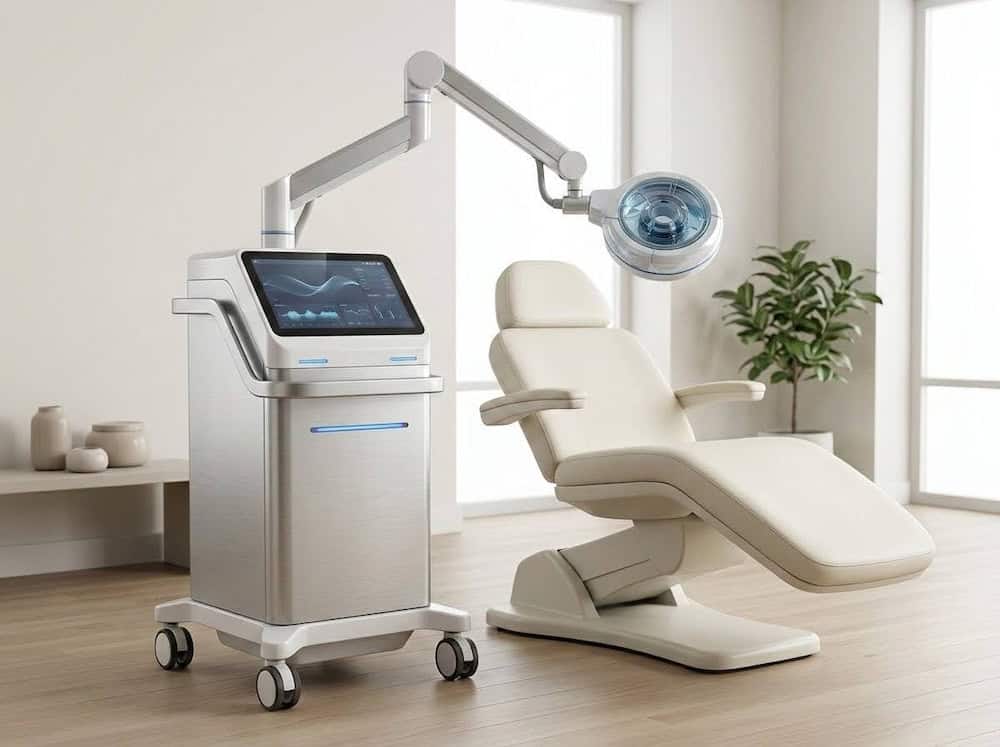
EXOMIND is a modern rTMS platform developed by BTL. It delivers controlled magnetic pulses to brain regions involved in mood, attention, emotional regulation, and cognitive function.
What is Traditional TMS?
Traditional TMS is an established medical treatment that uses repetitive magnetic pulses to stimulate specific brain regions. It is widely used in psychiatric care, particularly for major depressive disorder.
How Do EXOMIND and TMS Work?
Both treatments use an electromagnetic coil placed against the scalp. The coil generates brief magnetic pulses that stimulate nerve cells in targeted areas of the brain.
Treatment often focuses on the prefrontal cortex, a region involved in mood, attention, decision-making, and emotional regulation.
The difference lies in the stimulation protocol, including:
- Pulse frequency and intensity
- Targeted brain region
- Session duration
- Number of sessions
- Clinical objective
Individuals remain awake throughout treatment and can usually return to normal activities immediately afterwards.
Also read: Exomind Benefits & Differences from Other Treatments.
Key Differences Between EXOMIND and TMS
While EXOMIND and traditional TMS share the same core technology, their treatment goals and protocols differ significantly.
Treatment Goals
Traditional clinical TMS is generally used to treat diagnosed psychiatric conditions through structured medical protocols.
EXOMIND may also deliver clinical rTMS protocols, but it is often offered in wellness settings for concerns such as:
- Chronic stress
- Burnout
- Brain fog
- Reduced focus
- Mental fatigue
- Sleep concerns linked to stress
This does not make EXOMIND a lifestyle gadget. It is a medical-grade rTMS platform that can be configured for different purposes.
Treatment Schedule
Clinical TMS for depression commonly involves frequent sessions, often five days per week for several weeks.
A wellness-focused EXOMIND programme may involve a shorter series of sessions over two or three weeks. The exact schedule depends on the individual assessment and intended outcome.
Treatment Setting
Traditional TMS is commonly delivered in psychiatric clinics and specialist mental health settings.
EXOMIND has made rTMS more visible in medical wellness clinics, where it may be offered to individuals seeking support for cognitive performance, emotional balance, or high-stress lifestyles.
Appropriate screening remains important in both settings.
Which Is Better: EXOMIND or TMS?
Neither option is universally better because EXOMIND is itself a modern rTMS platform. The more useful question is which treatment protocol best matches the individual’s symptoms and goals.
Traditional clinical TMS may be more appropriate when treating a diagnosed psychiatric condition through a structured medical protocol. EXOMIND may be considered when the focus is on concerns such as chronic stress, burnout, brain fog, reduced concentration, or cognitive fatigue.
The right approach depends on the severity of the symptoms, medical history, diagnosis, and intended outcome. A professional assessment is therefore essential before choosing a treatment plan.
Are EXOMIND and TMS Safe?
Yes. Both EXOMIND and traditional TMS are non-invasive treatments that do not involve surgery, injections, or anaesthesia. Most people are able to resume their usual activities immediately after each session.
During treatment, some individuals experience mild tapping sensations on the scalp or temporary muscle twitching around the treatment area. Temporary scalp discomfort or mild headaches may also occur, particularly during the first few sessions.
As with any medical treatment, suitability varies from person to person. A consultation helps identify whether either treatment is appropriate based on your medical history, current symptoms, and treatment goals.
Can EXOMIND Replace Traditional TMS?
Not usually.
EXOMIND should not be viewed as a direct substitute for every traditional TMS programme. The deciding factor is the protocol required, not simply the device being used.
Individuals receiving TMS for a diagnosed psychiatric condition may need an intensive clinical course under medical or psychiatric supervision. EXOMIND may be more suitable when the goal is to support focus, stress resilience, mental clarity, or cognitive wellbeing through a shorter, personalised programme.
A consultation helps determine whether a wellness-focused protocol is appropriate or whether a formal psychiatric TMS pathway is needed.
FAQ
Is EXOMIND a type of rTMS?
Yes. EXOMIND is a modern rTMS platform that uses BTL’s ExoTMS™ technology to deliver non-invasive magnetic stimulation to targeted brain regions.
Is EXOMIND related to exosome therapy?
No. EXOMIND does not use exosomes. The name refers to BTL’s proprietary ExoTMS™ magnetic-stimulation technology.
How long does an EXOMIND session take?
An EXOMIND session typically lasts around 30 minutes, although the exact duration may vary depending on the treatment protocol and individual needs.
Is there any downtime after EXOMIND?
No downtime is generally required. Most individuals can return to work, drive, or continue normal activities after a session.
What does EXOMIND feel like?
Most individuals feel rhythmic tapping or pulsing on the scalp while remaining awake throughout treatment. Mild temporary discomfort or headache may occur.
Who should not have EXOMIND or TMS?
Individuals with certain metallic or electronic implants near the head, a history of seizures, or specific neurological conditions may not be suitable. A full medical screening is required before treatment.
Does EXOMIND treat depression?
EXOMIND’s underlying BTL rTMS platform is cleared for major depressive disorder when used with the appropriate clinical protocol. Wellness-focused programmes are not interchangeable with formal psychiatric treatment.
Can EXOMIND help with anxiety?
EXOMIND may be discussed for emotional regulation or stress-related concerns, but persistent or severe anxiety requires proper medical or psychiatric assessment.
How quickly can EXOMIND results be noticed?
The timeline varies according to the protocol, symptoms, and individual response. Some people notice changes during the treatment course, while others may improve more gradually.
Can EXOMIND be used while taking medication?
Possibly, but all medications should be reviewed before treatment because some can affect seizure risk or the treatment protocol. Prescribed medication should never be stopped without the treating doctor’s advice.
Do you need a psychiatric diagnosis for EXOMIND?
Not necessarily for a wellness-focused programme. A diagnosed psychiatric condition may require a formal clinical rTMS pathway and appropriate specialist supervision.
Final Thoughts
Although EXOMIND and traditional TMS both use non-invasive magnetic stimulation, they are designed to achieve different outcomes.
Traditional TMS is an established treatment for specific psychiatric conditions such as major depressive disorder, while EXOMIND focuses on supporting mental wellbeing, cognitive performance, stress resilience, and emotional regulation.
Choosing between the two is not about finding the “better” treatment—it is about identifying the one that best matches your symptoms, goals, and overall health.
At Clique Clinic, we believe mental wellness should be personalised. If you’re experiencing chronic stress, burnout, brain fog, reduced focus, or other concerns affecting your cognitive wellbeing, our doctors can assess your needs and recommend the most appropriate approach.
Book a consultation with us to learn whether EXOMIND is the right option for your mental wellness and cognitive health goals.

![Read more about the article 4 types of individuals NOT suitable for face contouring [Silhouette Soft]](https://www.cliqueclinic.com/wp-content/uploads/2023/03/4-types-of-individuals-not-suitable-for-face-contouring-Silhouette-Soft-768x280.jpg "4 types of individuals NOT suitable for face contouring [Silhouette Soft] - 4 types of individuals not suitable for face contouring Silhouette Soft 7")