What Is Red Yeast Rice and Should You Include It in Your Daily Diet?
Key Takeaways
- Red yeast rice is a fermented rice product traditionally used in Chinese cuisine and wellness practices.
- It contains monacolin K, a natural compound chemically similar to the cholesterol-lowering drug lovastatin.
- Research suggests it may help reduce LDL cholesterol, total cholesterol, and triglycerides within 6–12 weeks.
- Benefits are mainly linked to heart and cholesterol health, not weight loss.
- Since it behaves similarly to statins, it may also carry similar side effects like muscle aches and liver-related concerns.
- Product quality and monacolin K content vary widely between supplements.
- People with liver disease, kidney conditions, pregnancy, or those already taking statins should seek medical advice before using it.
- Red yeast rice works best as part of a broader healthy lifestyle, not as a standalone fix.
Introduction
Red yeast rice has been a staple in the pantries of Chinese households for centuries. But lately, it has been making its way into supplement aisles, wellness conversations and clinical discussions around cholesterol and heart health.
So what exactly is it, and does it actually do what people claim? If you are trying to figure out whether this fermented food deserves a spot in your daily routine, here is a proper breakdown.
What Is Red Yeast Rice?
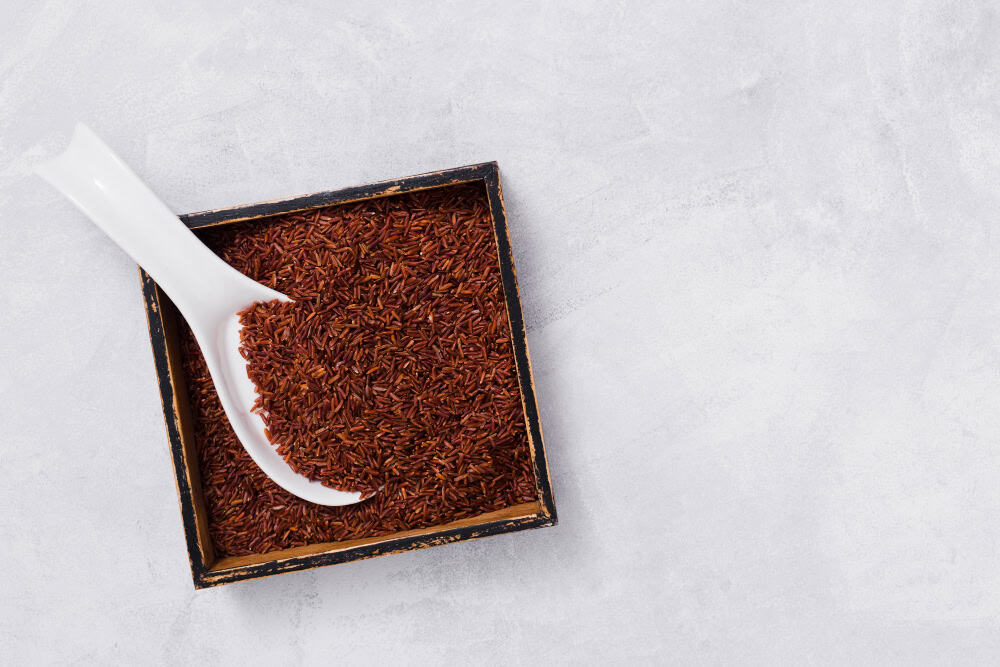
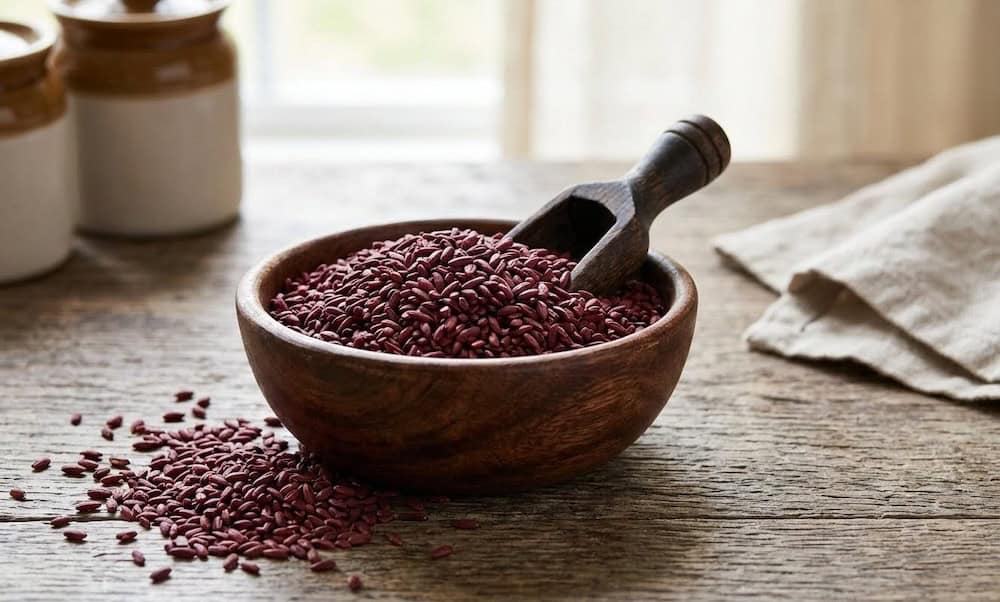
Red yeast rice is exactly what it sounds like: rice that has been fermented using a specific mould called Monascus purpureus. The fermentation process gives it that deep reddish colour. It also contains naturally occurring compounds, including monacolin K, and often consumed as a food ingredient or dietary supplement in traditional Chinese cooking, herbal medicine and food preservation.
Also read: Red Rice: Benefits, Nutrition, and Why It’s Good for You
How Does Red Yeast Rice Work in the Body?
During fermentation, Monascus purpureus produces a compound called monacolin K. Monacolin K is chemically identical to lovastatin, which is an active ingredient found in prescription cholesterol-lowering medication.
Monacolin K works by inhibiting an enzyme in the liver called HMG-CoA reductase, which plays a central role in cholesterol production. By putting the brakes on this enzyme, red yeast rice can influence how much LDL cholesterol the liver makes. Research published on PubMed found that daily consumption of monacolin K can reduce LDL cholesterol plasma levels by up to 34% within six to eight weeks, depending on dosage and individual response.
That said, the amount of monacolin K in red yeast rice supplements varies quite a bit between products, which is something to keep in mind.
Red Yeast Rice Benefits
Cholesterol and Heart Health Support
Red yeast rice for heart health is backed by a reasonable body of research. A narrative review in PMC found that red yeast rice supplementation reduced not just LDL cholesterol, but also total cholesterol, triglycerides, and markers of inflammation like high-sensitivity C-reactive protein.
For people with mildly elevated cholesterol who are not yet on prescription medication or those who cannot tolerate statins, red yeast rice can be an alternative approach. Cardiovascular risk is something that builds quietly over time, which is exactly why prevention is better than cure.
Antioxidant and Fermentation Compounds
Beyond monacolin K, the fermentation process produces a range of other bioactive compounds, including sterols, isoflavones, and GABA. Animal studies have suggested these compounds may help reduce obesity-related inflammation and improve insulin sensitivity, though research in humans is still ongoing.
Fermented foods in general tend to offer more to the gut than their unfermented counterparts, and red yeast rice fits within that broader picture of dietary variety supporting overall wellbeing.
Traditional Dietary and Wellness Uses
In traditional Chinese medicine, red yeast rice was used to support digestion, improve circulation, and promote energy. While modern science is largely focused on the cholesterol angle, it continues to be used as both a food ingredient and a supplement.
Is Red Yeast Rice Good for Cholesterol?
Red yeast rice for cholesterol control is true, but with caveats. Research reviewed on PubMed confirms that the LDL-lowering effect is real and that it is proportional to how much monacolin K the product actually contains. Products with higher standardised monacolin K content tend to show stronger effects.
How Long Does It Take Red Yeast Rice to Bring Down Cholesterol?
Most clinical studies point to around 12 weeks as the window where meaningful changes in cholesterol levels become measurable. Some people may see earlier shifts at six to eight weeks, particularly with higher doses of monacolin K. However, supplementation alone will not give the best results. Diet quality, physical activity, sleep, and stress management all play a significant role in long-term cardiovascular health outcomes.
Can You Take Red Yeast Rice Every Day?
Many people do incorporate it into their daily routine, particularly as a supplement. If you are considering red yeast rice nutrition, a few things to keep in mind:
- Always follow the dosage guidance on the product you are using
- Individual responses vary depending on metabolism, existing health conditions, and other medications
- Do not assume more is better, especially with a compound that behaves similarly to a prescription drug
- Speaking with a doctor before committing to long-term use is genuinely important here
Red Yeast Rice Side Effects and Safety
So, is red yeast rice safe?
Red yeast rice is generally well tolerated when used at appropriate doses. That said, because monacolin K acts like a statin, it carries some of the same risk profile. Red yeast rice side effects include:
- Digestive discomfort, bloating, or nausea
- Headaches
- Muscle aches or weakness, which in rare cases can be more serious
The National Center for Complementary and Integrative Health notes that serious adverse events, including liver dysfunction and severe muscle problems, have been reported, even at lower doses. Hence, individuals with liver conditions, kidney disease, or those taking cholesterol medications should seek medical advice before use.
Who Should Not Take Red Yeast Rice?
Certain groups should avoid it entirely or only use it under close medical supervision:
- Pregnant or breastfeeding individuals
- People already taking cholesterol-lowering medication, including statins
- Anyone with liver disease or kidney conditions
- Individuals with sensitivities to fermented or mould-derived foods
- People managing chronic health conditions without regular medical review
Does Red Yeast Rice Help With Weight Loss?
This one comes up often, and the honest answer is: not really. Red yeast rice is not a weight management supplement. Any metabolic benefits observed in research are largely linked to its effect on cholesterol and liver enzyme activity rather than fat loss.
Sustainable weight management still comes down to the fundamentals: what you eat consistently, how active you are, how well you sleep, and how you manage stress.
Should You Include Red Yeast Rice in Your Daily Diet?
The best way to include red yeast rice in a diet is as part of a varied, balanced diet. However, overall food quality, portion balance and consistency remain key for a healthy life.
If you are considering red yeast rice supplements for lowering cholesterol, professional guidance matters, as the dosage must take into account your personal health status.
Final Thoughts
Red yeast rice is a functional food with a solid body of research behind its cholesterol-lowering properties. Its main active compound, monacolin K, has real and measurable effects on LDL cholesterol when taken in sufficient amounts over time. But like most things in health, it is not a magic bullet.
Long-term metabolic health is built on daily habits, not a single supplement. Food quality, portion awareness, movement and consistency are what actually move the needle over months and years.
For people serious about addressing their cholesterol, body composition, or metabolic health in a structured way, having a proper plan makes all the difference.
At Clique Clinic, the Meal Surveillance programme takes exactly that approach: personalised meal planning and guided dietary strategies built around your individual health profile, not a one-size-fits-all template. Talk to us and explore what a tailored nutrition plan could do for you: wa.me/60123537960