Hip Dips: What They Are, Why They Happen, and How to Reduce Their Appearance
Key takeaways:
- Hip dips are natural inward curves between the hips and thighs influenced largely by anatomy and genetics.
- Bone structure, fat distribution, and muscle mass all affect how visible hip dips appear.
- Hip dips are extremely common and are not considered a medical issue or sign of poor fitness.
- Exercise may help improve surrounding muscle tone and contour appearance, but cannot significantly change skeletal anatomy.
- Glute-focused workouts such as squats, hip thrusts, and lunges may help create fuller lower-body contours over time.
- Age-related muscle loss and changes in body composition may make hip dips appear more noticeable in some individuals.
- Body contouring treatments may help improve contour balance depending on anatomy and individual goals.
- Clique Clinic offers personalised body contouring approaches tailored to realistic and natural-looking body proportions.
Introduction
Hip dips have become one of the internet’s most talked-about body features in recent years. Some people view them as a flaw to “fix”, while others embrace them as a normal part of body shape.
The truth is: hip dips are extremely common, completely natural, and largely influenced by anatomy and genetics.
They refer to the inward curve seen between the hips and upper thighs, and their visibility varies significantly from person to person.
For some individuals, they are subtle. For others, they are more pronounced depending on bone structure, fat distribution, and muscle mass.
Understanding what causes hip dips helps create more realistic expectations around body shape, exercise, and body contouring goals rather than chasing unrealistic body standards.
What Are Hip Dips?
Hip dips refer to the inward indentation between the hips and upper thighs, sometimes also called “violin hips”.
They occur naturally in the space between the pelvis and the upper femur (thigh bone).
Whether the indentation becomes visible depends largely on:
- pelvic shape
- bone structure
- fat distribution
- muscle mass
- genetics
Hip dips are not considered a medical issue and are not linked to body weight or fitness level.
This is why individuals of all body types can have hip dips, including people who are slim, curvier, highly active, or athletic.
Are Hip Dips Genetic?
Largely, yes.
Genetics strongly influence:
- pelvic structure
- hip width
- fat distribution
- muscle shape
- overall body contour
Some individuals are naturally more likely to have visible hip dips because of the way their pelvis and femur align.
Exercise may help improve surrounding muscle tone and contour appearance, but it cannot completely change skeletal anatomy.
This is one reason why hip dips can remain visible even in individuals who exercise consistently.
Also read: Love Handles: Causes, Why They’re Hard to Lose, and How to Reduce Them
Why Do Hip Dips Happen?
Hip dips are usually caused by a combination of anatomy, fat distribution, and muscle mass.
Bone Structure and Anatomy
Bone structure is one of the biggest factors.
The shape of the pelvis and the distance between the hip bone and upper thigh influence how the outer hip contour appears. Individuals with wider or higher hip bones may naturally develop a more visible indentation between the pelvis and thigh.
This is why hip dips are considered anatomical rather than purely weight-related.
Fat Distribution
Fat distribution also plays a surprisingly big role in how visible hip dips appear.
Some individuals naturally carry less fat around the outer hip area, which can make the inward curve more noticeable. Others may store more fat around the hips and thighs, creating a softer and smoother contour instead.
And a lot of this comes down to biology. Genetics, hormones, and natural body composition patterns all influence where the body tends to store fat, which is why hip shape can vary so much from person to person.
Muscle Mass and Body Composition
Muscle development around the glutes and hips may influence overall contour appearance too.
Lower muscle mass around the glute medius and surrounding hip muscles may make hip dips appear more noticeable, while stronger glute development may help create a fuller outer hip appearance in some individuals.
That said, exercise affects muscle shape more than skeletal structure itself.
Are Hip Dips Normal?
Absolutely.
Hip dips are an extremely common and normal body feature. They are not associated with poor health, low fitness, or unhealthy body composition.
Nearly everybody with a typical anatomy technically has hip dips to some degree. The visibility simply varies between individuals.
Social media filters, editing, and unrealistic beauty standards have significantly increased attention around hip shape in recent years, which is partly why hip dips are discussed far more today than before.
But medically speaking, they are simply one variation of natural human anatomy.
Can You Reduce Hip Dips Naturally?
To a certain extent, yes — but realistic expectations matter.
Because hip dips are largely influenced by anatomy and bone structure, they cannot always be completely “removed” naturally. However, some individuals may notice improvements in contour appearance through:
- glute-focused strength training
- increased lower-body muscle development
- changes in overall body composition
The goal is usually not to completely erase hip dips, but rather to improve lower-body balance, muscle tone, and contour proportions overall.
Can Exercise Help Reduce the Appearance of Hip Dips?
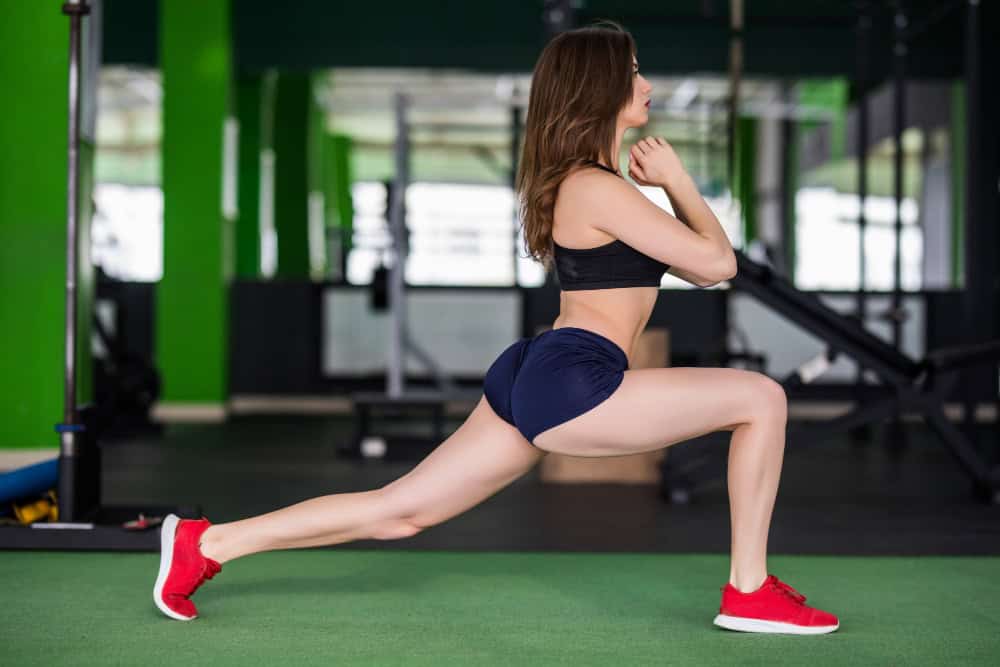
Exercise may help improve the appearance of hip dips by building muscle around the surrounding areas.
Glute-focused exercises commonly included in hip dips workouts include:
- squats
- hip thrusts
- lunges
- glute bridges
- cable kickbacks
- resistance band exercises
These exercises primarily target the glute muscles, particularly the gluteus medius, which may help create a fuller outer-hip appearance over time.
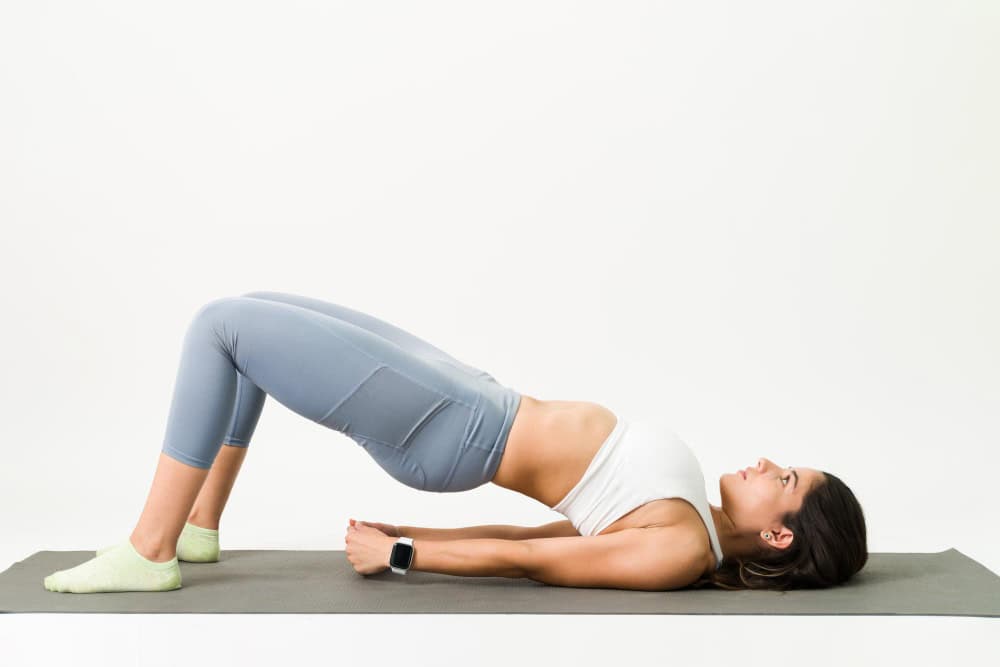
That said, exercise cannot significantly change pelvic structure or bone anatomy. Results vary depending on genetics, anatomy, and body composition.
This is why realistic expectations are far more important than chasing “perfect” body contours online.
Also read: What Are Body Slimming Treatments, and How Do They Work?
Do Hip Dips Get Worse With Age?
They can appear more noticeable over time for some individuals.
Age-related changes in muscle mass, skin elasticity, body fat distribution, and hormone levels may influence overall body contour as the body changes over the years.
In fact, as of 2026, research suggests adults may lose roughly 3–8% of muscle mass per decade after the age of 30, which can gradually affect lower-body contour and muscle fullness over time.
Reduced physical activity and muscle loss around the glutes may also affect how prominent hip dips appear with time.
However, ageing affects everybody differently, and hip dips themselves are still primarily influenced by underlying anatomy.
What Treatments Help Improve Hip Dips?
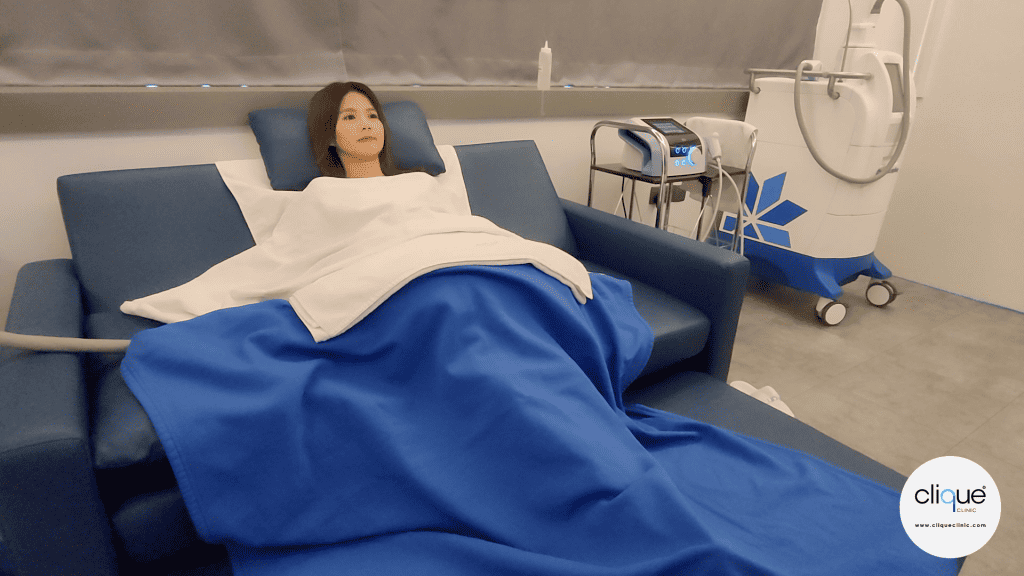
While hip dips are completely normal, some individuals choose to explore body contouring treatments to create smoother hip contours or improve overall body proportions.
Treatment approaches may focus on contour balancing or enhancing volume around the hip area, depending on an individual’s anatomy and goals. Because hip dips are largely influenced by bone structure, results and suitability can vary from person to person.
At Clique Clinic, body contouring treatments are personalised to each individual’s body proportions and aesthetic goals, helping create natural-looking and balanced results.
Also read: Body Contouring: Types, Benefits and Recovery
Final Thoughts
Hip dips are a natural and extremely common body feature influenced largely by anatomy, genetics, fat distribution, and body composition.
While exercise may help improve surrounding muscle tone and overall contour appearance, body shape cannot always be completely changed through workouts alone.
For individuals looking to improve body proportions or explore contour-balancing options, professional body contouring approaches may provide additional support alongside realistic expectations and healthier lifestyle habits.
Concerned about body proportions or contour balance? Clique Clinic offers personalised body contouring approaches designed to support natural-looking and realistic body goals tailored to individual anatomy and preferences. Contact us today!