Key takeaways:
- Red rice and red yeast rice are entirely different products despite their similar names.
- Red rice is a whole grain commonly used for balanced everyday meals.
- Red yeast rice is more commonly associated with cholesterol-related supplementation.
- Whole-grain red rice contains fibre, antioxidants, and minerals that support long-term wellness.
- Red yeast rice supplements can vary significantly in potency and formulation quality.
- Sustainable health habits depend more on balanced nutrition and consistency than individual “superfoods”.
- Clique Clinic’s personalised meal planning and nutritional guidance support healthier long-term eating habits.
Introduction
Red rice and red yeast rice are often mistaken for the same thing. The names sound nearly identical, both have a reddish colour, and both are commonly associated with “healthy eating”.
But nutritionally speaking, they are entirely different products with very different purposes.
One is a whole grain that fits naturally into everyday meals. The other is a fermented product more commonly used as a supplement linked to cholesterol support.
Understanding the difference between red rice and red yeast rice matters because the choice between them is not really about which one is “better”. It is about understanding what role each actually plays in your diet, health goals, and long-term wellness habits.
Are Red Rice and Red Yeast Rice the Same?
Not at all.
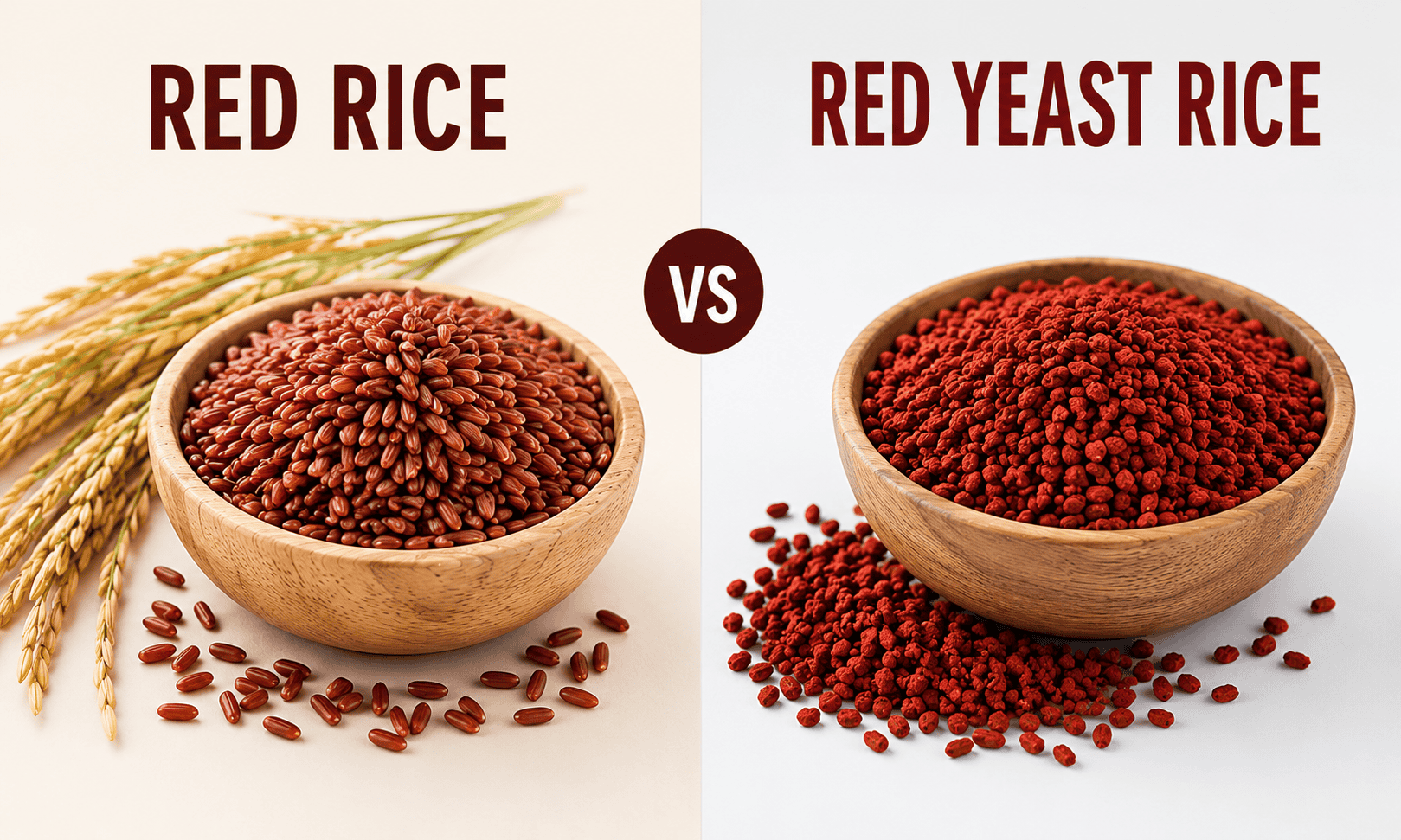
Despite their similar names, red rice and red yeast rice are fundamentally different in how they are produced, consumed, and used for health purposes.
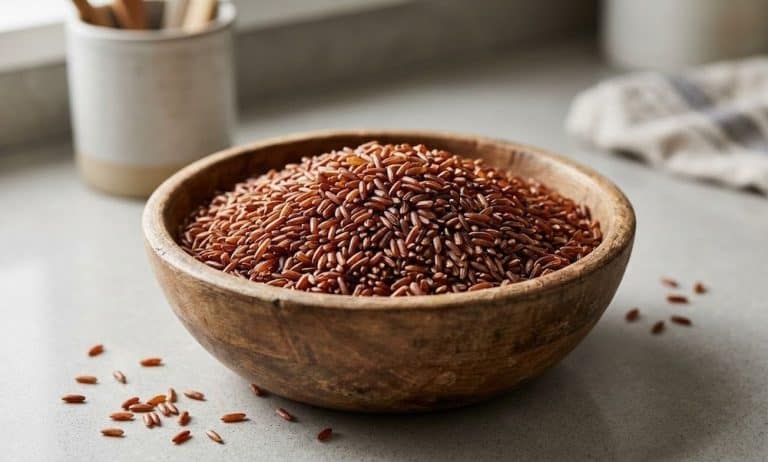
Red rice is a naturally red-coloured whole grain rice that retains its outer bran layer. That bran layer is where much of its fibre, antioxidants, and minerals are found, which is why red rice is commonly associated with balanced and heart-conscious diets.
Red yeast rice, meanwhile, is created by fermenting rice with a yeast called Monascus purpureus. During fermentation, compounds known as monacolins are produced, including monacolin K, which has been linked to cholesterol-related effects.
This distinction is important because red rice functions primarily as food, while red yeast rice is more commonly used as a supplement or functional product.
Their nutritional roles, health uses, and long-term place in the diet are therefore completely different.
What Is Red Rice?
Red rice is essentially whole-grain rice that still retains its bran layer, which is where much of its fibre and nutrients are found. Unlike refined white rice, it undergoes far less processing, giving it its distinctive reddish colour, slightly nutty flavour, and firmer texture.
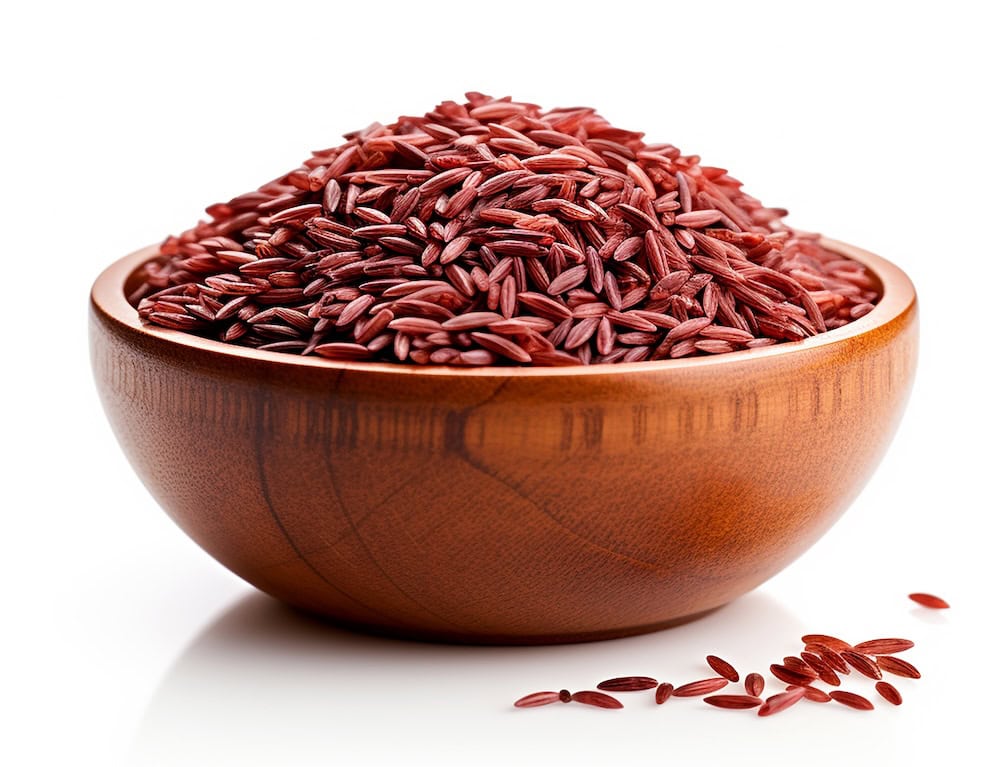
Compared to heavily processed grains, whole grain red rice naturally contains:
- Fibre
- Antioxidants
- Magnesium
- Iron
- Complex carbohydrates
What makes red rice appealing is that it does not feel like “diet food”. It fits easily into everyday meals, whether that is meal prep bowls, balanced lunches, or simple home-cooked dinners.
Because it is a whole grain, it is also commonly preferred by individuals looking for more sustained energy and better fullness after meals compared to refined rice options.
Why Do People Include Red Rice in Their Diet?
Part of red rice’s appeal is that it feels realistic. It is not a trendy “diet food” that disappears after a few weeks. It is simply a whole grain that fits naturally into balanced eating habits.
Because it retains its bran layer, red rice contains fibre that may help support fullness and steadier energy levels compared to refined white rice. Its slightly nutty texture also makes meals feel more satisfying overall.
For many people, that is exactly why it works long term. It is sustainable, versatile, and easy to include regularly without making healthy eating feel overly restrictive.
Also read: Red Rice: Benefits, Nutrition, and Why It’s Good for You
What Is Red Yeast Rice?
Red yeast rice is not just “red-coloured rice”. In fact, it is something completely different from the whole grain red rice you would typically eat with meals.
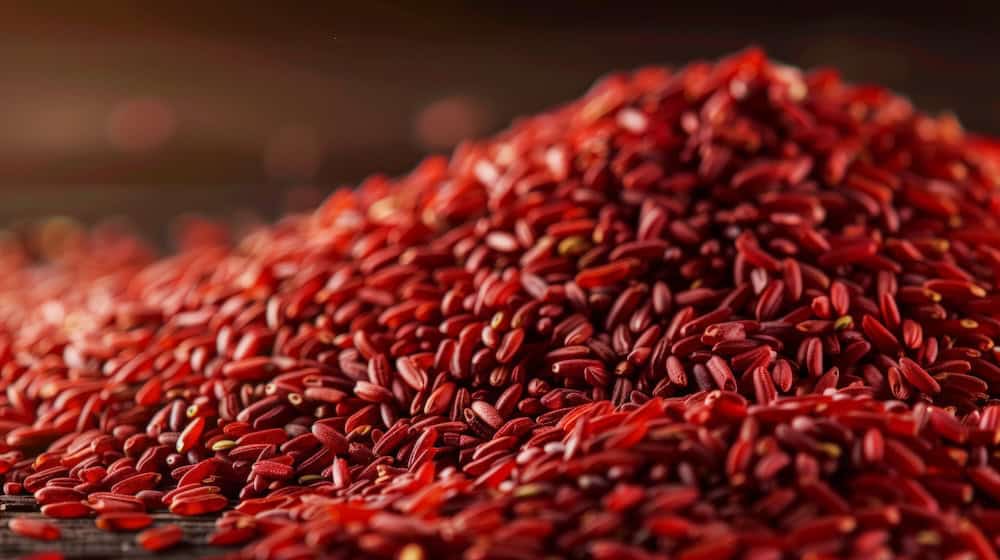
It is made by fermenting rice with a type of yeast called Monascus purpureus, a process traditionally used in Chinese food and herbal practices. During fermentation, naturally occurring compounds known as monacolins are produced, including monacolin K, which is linked to cholesterol support.
That connection is exactly why red yeast rice is commonly discussed in wellness and cardiovascular health conversations today.
Unlike regular rice, though, red yeast rice is usually sold in:
- Capsules
- Powders
- Extracts
- Supplement blends
rather than being eaten as a staple carbohydrate source.
Why Is Red Yeast Rice Used for Cholesterol?
The reason red yeast rice became so popular largely comes down to cholesterol.
Some of the compounds formed during fermentation, particularly monacolin K, have been associated with supporting healthier cholesterol levels. Because of this, red yeast rice supplements are often marketed for cardiovascular wellness and heart-health support.
As of 2026, research suggests that certain red yeast rice formulations may help reduce LDL (“bad”) cholesterol levels by roughly 15%–25% within about 6–8 weeks, though results can vary depending on the individual, dosage, and product quality.
However, there is an important catch: not all red yeast rice products are the same. Potency, formulation quality, and concentration can vary significantly between brands.
This is why medical guidance is usually recommended before long-term use, especially for individuals already taking cholesterol medication.
Can You Eat Red Yeast Rice Like Normal Rice?
Not really.
Although red yeast rice originates from rice, it is not typically consumed as a staple grain in the same way as whole grain red rice.
Most people consume it in supplement or extract form rather than serving it alongside vegetables and protein at dinner.
Think of it this way:
- Red rice functions as food
- Red yeast rice functions more like a wellness supplement
Because formulations and concentrations vary, it is not something that should casually replace your usual rice intake or be treated like an everyday staple grain.
Also read: What Is Red Yeast Rice and Should You Include It in Your Daily Diet?
Red Rice vs Red Yeast Rice: Key Differences
| Feature | Red Rice | Red Yeast Rice |
| Main use | Whole-grain food | Fermented supplement/functional food |
| Processing | Minimally processed | Fermented with yeast |
| Fibre content | Naturally high | Usually lower |
| Main health focus | General nutrition and balanced eating | Cholesterol-related support |
| Commonly eaten as | Daily meals | Capsules, powders, extracts |
| Long-term dietary role | Staple carbohydrate source | Supplement support |
Red Rice vs Red Yeast Rice: Which Is Better for Everyday Healthy Eating?
If your goal is simply to eat healthier day to day, red rice is the more practical and sustainable choice.
It is a whole grain that can easily replace white rice in regular meals without turning your diet into a complicated wellness project. You cook it, pair it with protein and vegetables, and move on with your life. Sustainable healthy eating really is supposed to feel that simple.
Red yeast rice sits in a completely different category. It is not something most people use as a daily carbohydrate source, but rather as a more targeted supplement linked to cholesterol support.
So the comparison is less “which one is healthier?” and more “what are you actually trying to achieve?”
Red Rice vs Red Yeast Rice for Heart Health
This is where things start to overlap slightly, because both are often associated with heart health, just in very different ways.
Red yeast rice gets attention because of its naturally occurring monacolin compounds, which are commonly discussed in relation to cholesterol management.
Red rice, meanwhile, supports cardiovascular wellness more indirectly through its whole-grain nutritional profile and role in balanced eating habits.
But honestly, heart health rarely comes down to one ingredient alone.
The bigger picture still matters more: how consistently you eat, how active you are, your sleep quality, stress levels, and whether your eating habits are realistic enough to maintain long-term.
Red Rice vs Red Yeast Rice for Long-Term Wellness
For long-term wellness, red rice is generally the easier fit.
Red rice fits naturally into balanced meal planning because it behaves like food should: flexible, sustainable, and easy to include regularly without overcomplicating nutrition.
Red yeast rice, meanwhile, is more targeted. It is generally used for specific wellness purposes rather than broad nutritional support.
And that is ultimately the key distinction here. Long-term health is rarely built on supplements alone. It is built on routines, consistency, and meals that work realistically with your lifestyle.
Final Thoughts
At first glance, red rice and red yeast rice can seem interchangeable. In reality, they sit in completely different categories: one is everyday food, the other is closer to a functional supplement.
If your goal is building a healthier and more sustainable daily diet, whole-grain red rice generally makes more sense as part of regular meals. Red yeast rice, meanwhile, is usually approached more intentionally for cholesterol-related support rather than casual everyday eating.
The bigger picture, though, is that long-term wellness rarely comes down to one ingredient alone. The meals you eat consistently matter far more than any “superfood” trend.
For individuals trying to build healthier eating habits without restrictive dieting or confusing nutrition trends, a personalised meal surveillance programme can make the process far more sustainable.
Looking to improve your eating habits in a more realistic and sustainable way? Explore personalised nutrition and meal-planning support from Clique Clinic, designed to fit your lifestyle and health goals.