Rice Bran Oil in Skin Care: All You Need To Know
Introduction
Natural oils have long played an essential role in skincare, and one such oil is rice bran oil. It is a supportive ingredient to nourish skin, brighten complexion, and slow down visible signs of aging. Today, rice bran oil is common in moisturisers, serums, and most modern skincare formulations.
At Clique Clinic in Malaysia, where medical aesthetics meet science, rice bran oil’s properties are particularly relevant. Our doctors frequently encounter patients looking for safe, effective, and multi-functional skincare options to complement in-clinic treatments such as skin boosters, lasers, fillers, and microneedling and rice bran oil offers an accessible way to support skin health at home, enhancing the results of these professional treatments with added hydration, protection, and nourishment.
What is Rice Bran Oil?
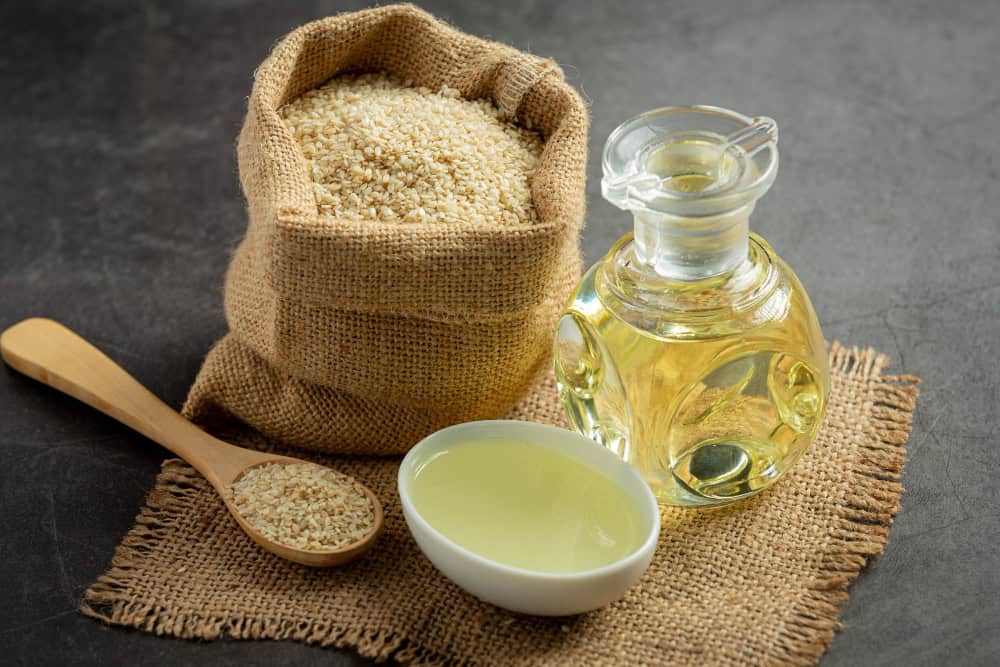
Rice bran oil is extracted from the outer layer of rice grains, known as the bran. This thin layer is nutrient-rich, containing antioxidants, vitamins, and essential fatty acids.
- It belongs to the group of polyunsaturated and monounsaturated fats, making it a heart-healthy cooking oil. From a dermatological perspective, these fatty acids also play an essential role in maintaining the skin’s lipid barrier.
- The extraction process usually involves cold-pressing or solvent extraction, with cold-pressed rice bran oil being the purest form for skincare.
When considering what type of fat is rice bran oil, it is mainly composed of oleic acid (omega-9), linoleic acid (omega-6), and palmitic acid. These contribute to its moisturising and protective functions for the skin.
So how is rice bran oil extracted is important, as cold-pressed methods preserve antioxidants like gamma-oryzanol and vitamin E, while high-heat refining can strip away some of these active compounds. For skincare use, cold-pressed rice bran oil is most ideal.
Chemical Composition and Properties of Rice Bran Oil
Rice bran oil is packed with active compounds that make it effective in both topical application and dietary use:
- Omega-6 and Omega-9 fatty acids: Replenish the skin barrier, reduce transepidermal water loss [TWL], and restore suppleness.
- Vitamin E (tocopherols and tocotrienols): Potent antioxidants that protect against UV damage and premature aging.
Read More: Vitamin E - Ferulic acid: A natural UV absorber with anti-inflammatory effects.
- Gamma-oryzanol: Unique to rice bran oil, this antioxidant helps protect the skin from oxidative stress.
Rice bran oil is lightweight, non-comedogenic, and easily absorbed, making it suitable even for sensitive skin or humid climates like Malaysia’s.
How Does Rice Bran Oil Work in Skincare?
Rice bran oil offers multi-dimensional positive impact on skin health.
- Barrier repair: It nourishes by reinforcing the lipid barrier of the skin. This prevents water loss, keeping skin plump and hydrated.
- Antioxidant protection: The oil helps neutralise free radicals from UV rays and pollution, which are common triggers for pigmentation and fine lines in tropical climates.
- Brightening action: Ferulic acid and gamma-oryzanol contribute to a more even complexion by reducing dullness and supporting cell renewal.
- Elasticity support: With regular use, rice bran oil improves skin suppleness and tone.
At Clique Clinic, many patients undergoing treatments such as RF microneedling or PDRN boosters find rice bran oil-based skincare products beneficial for recovery, as the oil soothes, hydrates, and defends skin from environmental damage.
Rice Bran Oil Benefits
When patients ask, ‘Is rice bran oil good for the skin?’ and ‘Is rice bran oil healthy?’ – the answer is a resounding yes! It is both healthy for internal consumption and highly effective for topical application.
So what does rice bran oil do for your skin, and what are the benefits of rice bran oil?
- Deep hydration for rough, dry skin.
- Fades dark spots and brightens overall complexion.
- Calms redness and irritation, making it suitable for sensitive skin.
- Defends against free radicals, thereby slowing the signs of premature aging.
- In haircare, rice bran oil strengthens strands, reduces breakage, and helps with scalp hydration.
What is the Disadvantage of Rice Bran Oil?
Rice bran oil is generally safe and non-irritating except for the following cases:
- In very acne-prone individuals, overuse may trigger breakouts.
- Highly refined versions may contain fewer antioxidants. Use cold-pressed and minimally processed rice bran oil for maximum benefit.
- It is best used in moderation in cooking due to its high omega-6 content, which can cause an imbalance if the diet already contains excess omega-6 fatty acids.
How to Use Rice Bran Oil in Your Routine?
Rice bran oil is versatile, whether in food, skincare, or haircare.
- What Does Rice Bran Oil Do for Your Skin: Rice bran oil found in moisturisers, serums, and cleansers can help to lock in moisture, hydrate, and reinforce the skin barrier. It can be used directly as a facial oil or mixed into creams.
- Rice Bran Oil for Hair: For those wondering how to use rice bran oil for hair growth, massage it into the scalp or apply it as a pre-shampoo treatment. It nourishes follicles, reduces flakiness, and adds shine.
- In Soaps: Many artisan soaps contain rice bran oil. Typical formulations use 10 to 20 percent, answering the question of how much rice bran oil in soap is suitable.
- Rice Bran Oil on Face: For dull or pigmented skin, applying rice bran oil at night can help rejuvenate and even out tone. Always follow with sunscreen in the morning, as antioxidants work best when combined with UV protection.
Who Should Use Rice Bran Oil?
- Dry skin: Provides lasting hydration and barrier support.
- Sensitive skin: Its soothing properties calm inflammation.
- Mature skin: Antioxidants support collagen, elasticity, and glow.
- Dull or pigmented skin: Ideal for those battling uneven skin tone, especially in Malaysia’s hot climate, where UV exposure accelerates pigmentation.
Patients at Clique Clinic often benefit from combining at-home use of rice bran oil skincare with professional treatments such as lasers for pigmentation, microneedling for collagen induction, or fillers for volume restoration. This creates a synergistic effect as procedures correct deeper issues while rice bran oil supports the skin barrier and surface health.
Final Thoughts
Rice bran oil is more than just a cooking oil. It is a scientifically backed, multi-functional ingredient that hydrates, protects, and brightens the skin. Its balance of fatty acids, vitamin E, ferulic acid, and gamma-oryzanol makes it a valuable addition to skincare routines, especially in environments with high sun exposure like Malaysia.
At Clique Clinic, we see rice bran oil as a supportive ally to professional aesthetic treatments. While in-clinic procedures like PDRN boosters, RF microneedling, and pigmentation lasers address deeper skin concerns, rice bran oil strengthens the foundation by repairing and nourishing the skin barrier at home.
If you are curious about how rice bran oil can fit into your personal skincare plan or how it complements aesthetic procedures, our doctors at Clique Clinic can guide you. Every skin is different, and our personalised approach ensures you achieve healthy, radiant skin safely and effectively.
Talk to us today: wa.me/60123537960