Post-Treatment Care: Avoiding PIH After Aesthetic Procedures
Key Takeaways:
- PIH: can develop after aesthetic treatments due to excess melanin production during healing.
- Strict sun protection: (SPF 50+) is essential to prevent post-procedure pigmentation.
- Always follow: your doctor’s aftercare instructions to reduce inflammation and risks.
- Keep skin: calm and hydrated with gentle products; avoid picking or harsh actives.
- Topicals like: Vitamin C or Hydroquinone may be prescribed to minimise pigmentation.
- Watch for: warning signs (excessive redness, swelling, darkening) and consult early.
Introduction
Though aesthetic treatments can transform and rejuvenate the skin, improper aftercare may exacerbate inflammation. As a result, it increases the risk of Post-inflammatory hyperpigmentation (PIH).
PIH is a prevalent skin disorder typified by darkened patches that develop following skin inflammation or injury after aesthetic procedures. During the skin’s healing process, inflammatory mediators may cause excess melanin to be produced and unevenly deposited, resulting in hyperpigmentation.
This article seeks to explore post-treatment care approaches that individuals undergoing aesthetic procedures can employ to appreciably reduce the risk of PIH. So, without further ado, let’s get started!
What is PIH (post-inflammatory hyperpigmentation)?
Post-inflammatory hyperpigmentation (PIH) is a cutaneous hyperpigmentation disorder observed as a consequence of inflammation and trauma. Characterised by an excess production or deposition of melanin, its course is chronic once developed. This means it’s prone to recurrence and treatment is often difficult
Principally, the disorder typically manifests as flat, irregularly shaped patches at the site of the original inflammation. Given their naturally higher melanin concentration, medium to darker skin-toned individuals (Fitzpatrick skin types III–VI) are particularly susceptible to PIH.
Why PIH happens after aesthetic treatments?
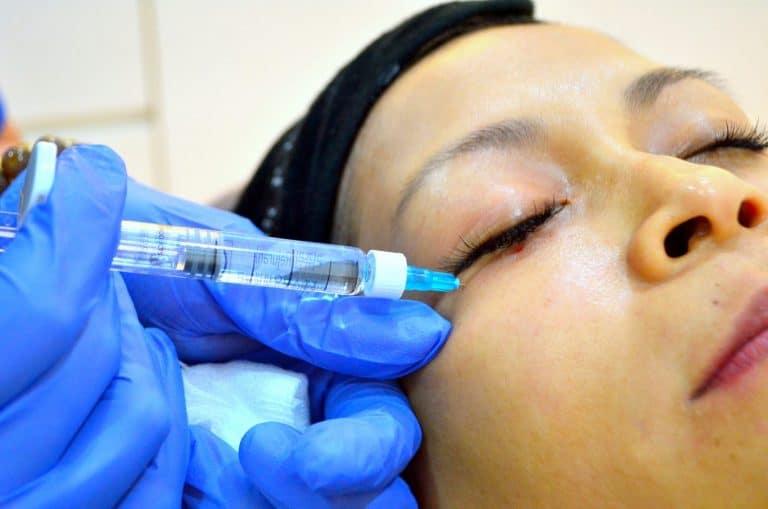
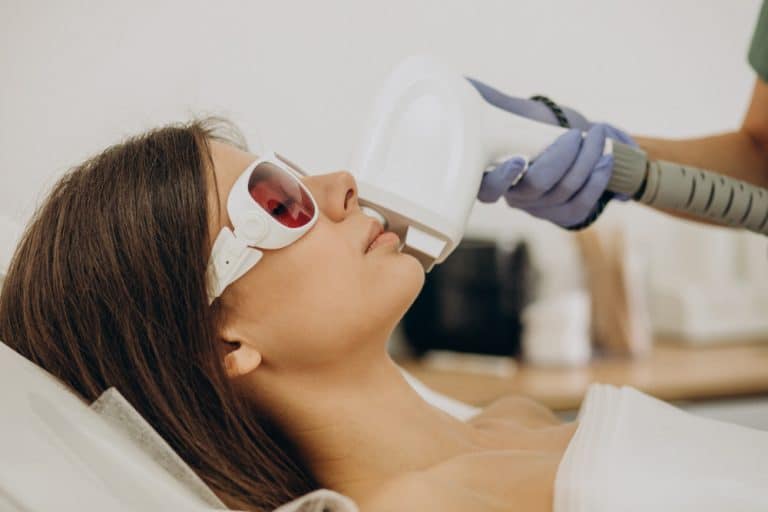
Aggressive or poorly executed aesthetic treatments are among the common triggers of PIH. For context, to promote the skin’s natural healing and renewal processes, aesthetic procedures like lasers and chemical peels purposefully create controlled skin injury.
As part of the skin’s reaction to damage, this regulated stress causes inflammation. This, in turn, stimulates melanocytes (pigment-producing cells) to boost melanin synthesis.
This inflammatory reaction may cause an excess and unequal distribution of melanin, particularly in individuals with medium to darker skin tones. Thereby, resulting in Post-Inflammatory Hyperpigmentation (PIH).
Since this inflammatory cascade is the source of PIH, prompt and appropriate aftercare is mission-critical to halting the pigmentation process. Otherwise, PIH might worsen, becoming increasing tenacious and persistent.
Post-treatment care for PIH: What to do?
PIH can be difficult to treat since the inflammation from aesthetic treatments might exacerbate it if proper aftercare isn’t received. To halt the pigmentation process and reduce the chances of permanent dark patches, here are some post-treatment steps you can take.
1. Prioritise sun protection
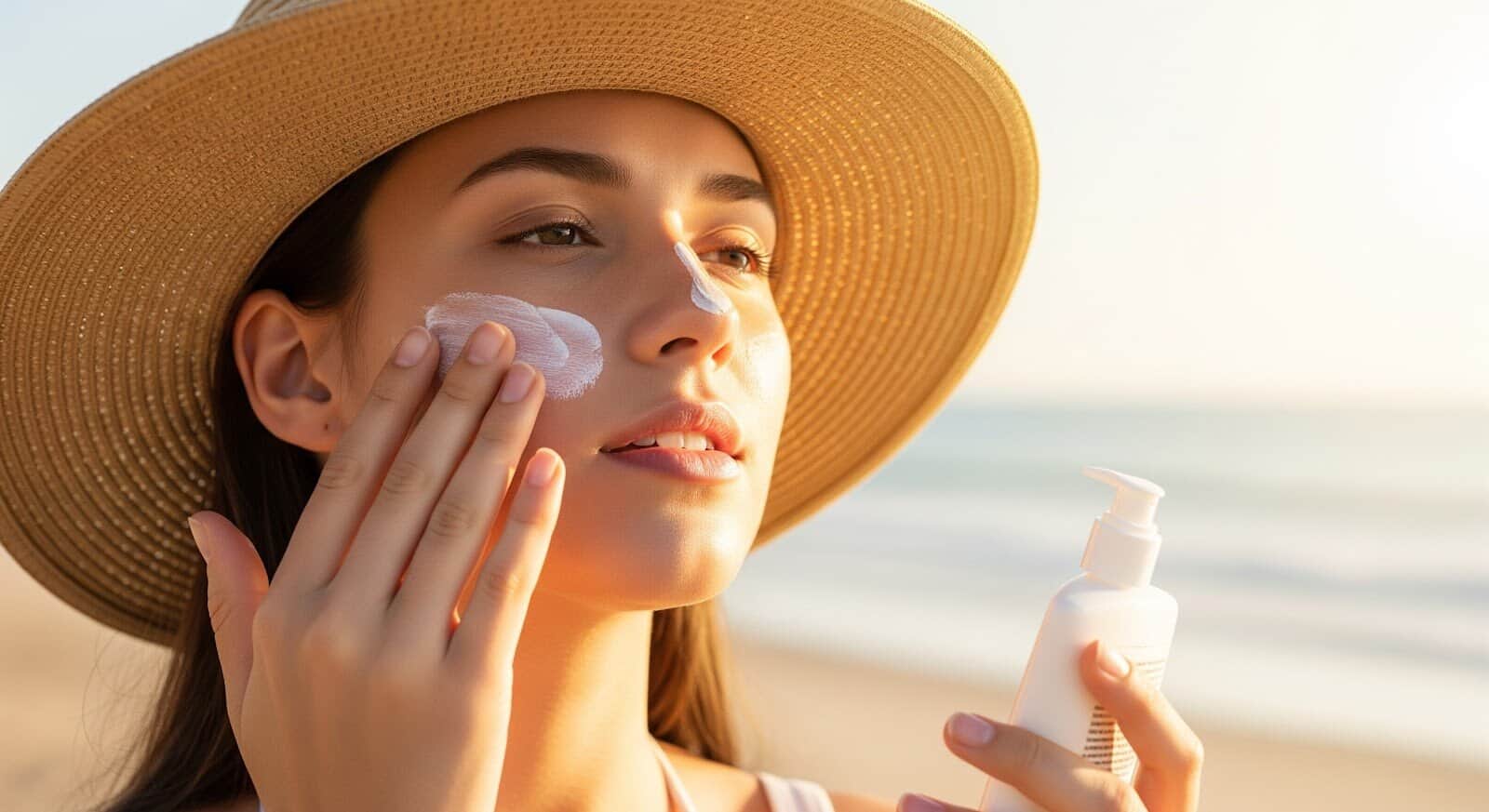
UV exposure is the biggest trigger for pigmentation after aesthetic procedures. Employing a broad-spectrum sunscreen with SPF 50+ is mission-crucial to mitigating it.
So, apply it generously and reapply it every two to three hours, especially when outside. Additionally, utilise umbrellas and protective apparel like wide-brimmed hats.
Lastly, avoid direct sun exposure during the first few weeks after treatment when the skin is at its most sensitive.
2. Follow your doctor’s instructions religiously
Aftercare guidelines are curated to protect your healing skin and prevent complications like irritation and pigmentation.
These professional instructions may include: avoiding active skincare ingredients (like retinoids), refraining from hot showers or saunas, or delaying makeup application.
Deviating from these recommendations may increase inflammation and irritation. This, in turn, considerably raises the risk of developing or worsening PIH.
3. Keep skin hydrated and calm
Utilise gentle, fragrance-free moisturisers and barrier-repair creams to help maintain skin hydration. Hydration is vital for faster healing and reducing inflammation.

Well-hydrated skin minimises the prolonged inflammatory response that triggers excess melanin production.
4. Avoid picking, scratching, or rubbing
Picking, scratching, or rubbing against skin that’s healing can worsen inflammation. Thereby, considerably increasing the risk of dark markings developing.
So, rather than rubbing, gently cleanse the skin with gentle cleansers and pat dry with care. This lessens skin stress and helps stop the pigmentation process from worsening.
5. Pause harsh active ingredients temporarily
If utilised prematurely, strong active ingredients like retinoids, alpha hydroxy acids (AHAs), and exfoliants can irritate sensitive, healing skin. Thereby, increasing the risk of pigmentation and delaying healing.
As such, it’s advisable to pause these products until your dermatologist confirms it’s safe to resume them.
6. Use recommended topical treatments
Specific topical medications like Vitamin C or Hydroquinone-based creams may be prescribed by your physician to help minimise the risk of hyperpigmentation. To guarantee efficacy, these therapies should only be administered under a doctor’s supervision.
Warning signs to watch for after treatments for post-inflammatory hyperpigmentation
Following aesthetic procedures, it’s critical to watch out for any adverse reactions or warning signs of abnormal pigmentation. For instance:
- Deepening pigmented patches outside of the treated area.
- Unusual swelling, itching, or pain.
- Persistent redness.
If any of these symptoms manifest, speak to a healthcare professional immediately. This early intervention will appreciably reduce the chances of permanent pigmentation.
Conclusion
When it comes to achieving optimal, even-toned skin results, post-treatment care is as important as the aesthetic procedure itself.
In essence, how one treats their skin post-procedure has a direct impact on how quickly it recovers and averts side effects like PIH.
Strict adherence to aftercare guidelines like intentional sun protection and avoiding irritation fosters the skin’s natural renewal process. Thereby, safeguarding your investment whilst delivering a smoother, more radiant complexion.
Are you contemplating an aesthetic procedure or recuperating from one? At Clique Clinic, our staff is available to help you achieve stunning, long-lasting results through safe, efficient healing. Allow us to assist you in attaining the even, radiant skin you are entitled to.