Ceramides in Skin Care: Everything You Need to Know
If you struggled with dry, sensitive, or irritated skin, chances are your skin barrier is compromised, and ceramides could be the missing element in your skincare routine.
At Clique Clinic Malaysia, we often see patients battling barrier damage, whether due to over-exfoliation, harsh treatments, or most commonly, environmental exposure like sun damage. In such cases, one ingredient we consistently recommend for skin restoration is ceramides. This powerhouse lipid not only heals but also protects and strengthens your skin barrier.
In this article, we will explain the science behind ceramides, their unique benefits, and how you can incorporate them into your skincare routine with maximum effectiveness.
What is Ceramide?
Ceramides are natural lipid molecules (fats) naturally found in the stratum corneum, the outermost layer of your skin. As a protective layer, ceramides make up more than 50% of the skin barrier and play a critical role in maintaining hydration, protection, and overall skin health.
Without adequate ceramides, your skin becomes vulnerable to dryness, irritation, and even inflammatory skin conditions like eczema.
At Clique Clinic, we often explain ceramides as the “cement” that holds your skin cells (the “bricks”) together. When this cement breaks down, your skin barrier weakens, leading to transepidermal water loss (TEWL) and increased sensitivity.
Chemical Composition & Properties of Ceramides
Ceramides are made from a combination of:
- Fatty acids (molecules which provide hydration).
- Sphingosine (a type of amino alcohol that binds with fatty acids to form ceramide molecules).
This unique structure allows ceramides to:
- Act as an occlusive layer, preventing water loss.
- Bind skin cells together, keeping the barrier intact.
- Mimic the natural lipids in human skin (especially in lab produced forms like Ceramide NP, Ceramide AP, etc.).
Most skincare formulations today use bio-identical ceramides, which are synthetically produced but designed to perfectly match your skin’s natural lipids.
READ MORE: The skin barrier and ceramides
Ceramide vs Niacinamide
Both ceramide and niacinamide are superstars in skincare, but they serve different roles:
| Feature | Ceramide | Niacinamide |
| Primary Function | Skin barrier repair & hydration | Skin tone, texture, oil regulation |
| Works Best For | Dry, sensitive, irritated skin | Acne-prone, pigmented, aging skin |
| Compatibility | Works synergistically with niacinamide | Can boost ceramide synthesis |
Niacinamide actually helps boost your skin’s natural ceramide production, making them a dream team when paired in your skincare routine.
How Ceramides Work in Skin Care

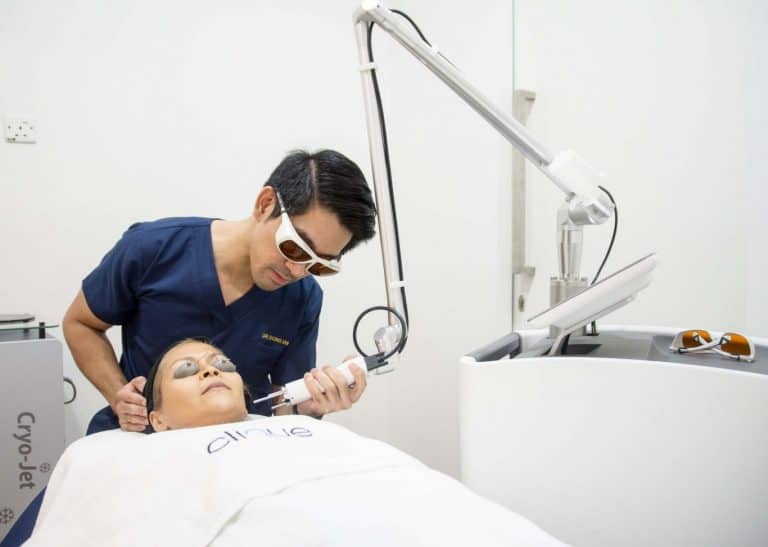
Ceramides work on a cellular level, forming a protective layer that retains moisture, shields against environmental stress, and reduces inflammation. This is why we at Clique Clinic Malaysia often recommend ceramide-rich products post-treatment, such as after Sylfirm X, laser therapy [fractional lasers, PICO lasers], microneedling, or chemical peels.
Key Functions:
- Reinforces the skin barrier to prevent moisture loss.
- Protects against pollutants, irritants, and bacteria.
- Promotes healing in compromised skin.
- Restores lipid balance in aging or damaged skin.
Scientific studies back this up. One clinical study published confirmed that topical ceramides significantly improve skin hydration and barrier function in dry skin conditions.
READ MORE: Ceramide Absorption Into the Stratum Corneum and Effects on Transepidermal Water Loss
Key Benefits of Ceramides in Skin Care
Let’s break down why ceramides have become a must-have ingredient in modern dermatology:
- Restores skin barrier integrity after damage.
- Improves moisture retention without feeling greasy.
- Soothes dry, flaky skin, which is ideal for eczema, psoriasis, and dermatitis.
- Reduces sensitivity and redness from harsh products or treatments.
- Delays signs of aging by maintaining barrier strength and hydration.
- Enhances absorption of other actives by improving skin health.
- Protects from environmental aggressors like UV, wind, and pollution.
At Clique Clinic, many of our customized skincare programs for post-laser or skin booster recovery include ceramide-rich products to support rapid, irritation-free healing.
Potential Side Effects & Considerations with Ceramides
Ceramides are generally well-tolerated and considered safe for all skin types, including sensitive and reactive skin.
However, consider the following before selecting your ceramides:
- Heavier formulations (especially with occlusive ingredients like petrolatum) may trigger breakouts in oily or acne-prone skin.
- Ceramides work best when formulated with cholesterol and free fatty acids in a specific ratio (3:1:1), mimicking your skin’s natural barrier structure.
- Always choose products with clearly labeled ceramide types, such as Ceramide NP, EOP, AP, NS, as these are more effective and stable.
How to Use Ceramides in Your Routine
Ceramides are incredibly versatile and can be found in a variety of skincare formats:
Best product types:
- Moisturizers (ideal for all skin types).
- Barrier creams (excellent post-procedure).
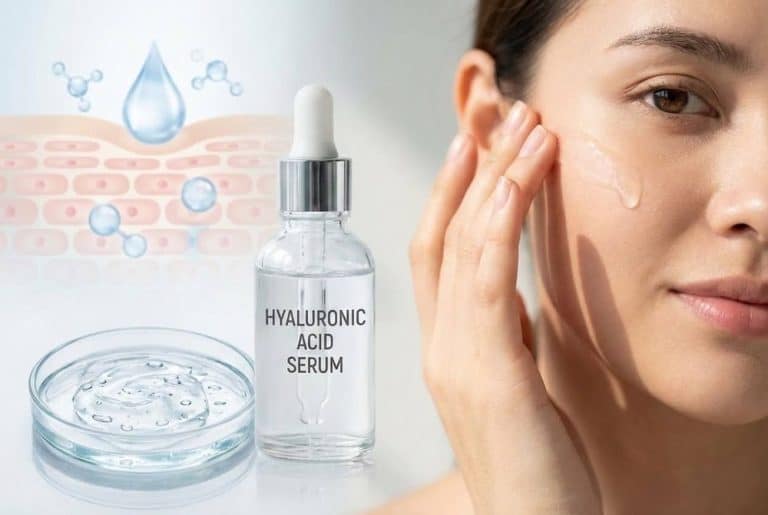
- Serums (lighter texture, good for layering).
- Cleansers (gentle and non-stripping).
Usage Tips:
- Use morning and night for best results.
- Apply after active serums but before sunscreen (AM) or before heavy creams (PM).
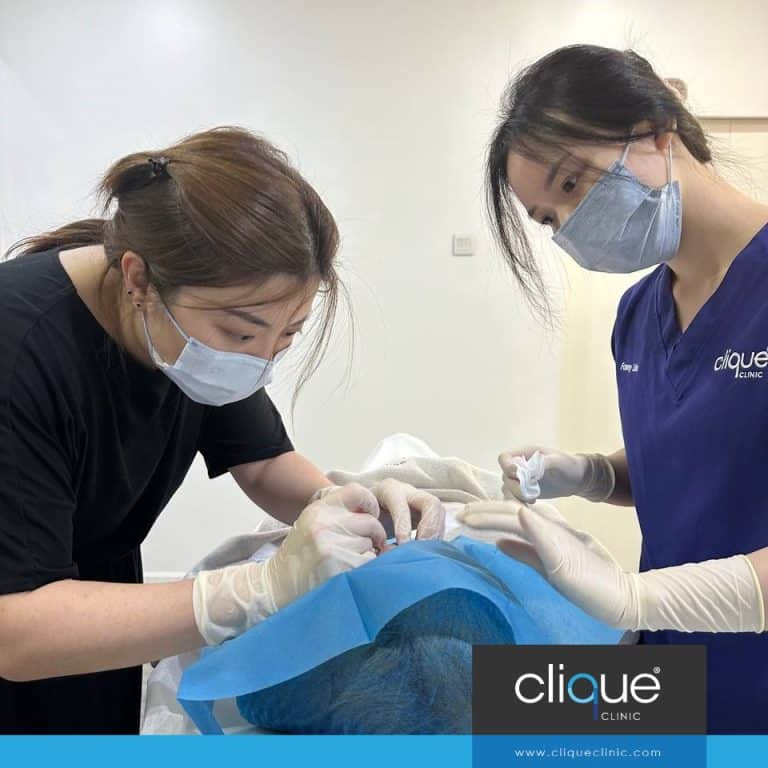
- Perfect for post-treatment skin, especially after microneedling, fractional CO2, or chemical peels done at Clique Clinic.
Who Should Use It?
Ceramides are beneficial for almost everyone, but particularly helpful for:
- Mature skin, due to loss of natural lipids with age.
- Dry or flaky skin.
- Sensitive or eczema-prone skin.
- Barrier-damaged skin from overuse of exfoliants or retinoids.
- People exposed to harsh environments (air conditioning, UV rays and pollutants).
Ceramide Supplements: Do They Work?
Oral ceramide supplements are typically made from plant-based sources like rice or wheat extract. They have been marketed to improve hydration from within.
The science is still emerging, but small studies show some promise. A 2024 study found that oral ceramides improved skin elasticity and hydration.
Study here:
Efficacy and Safety of Oral Administration Ceramides in Enhancing Skin Barrier Function
That said, topical ceramides remain the gold standard, especially for targeting specific skin conditions.
Final Thoughts
Ceramides are more than just another buzzword. They are a fundamental building block of healthy, resilient skin. Whether you are managing eczema, recovering from aesthetic treatments, or simply trying to age gracefully, ceramides deserve a spot in your skincare lineup.
At Clique Clinic Malaysia, we integrate science-backed ingredients like ceramides into every stage of our skin treatment programs, from laser resurfacing to acne scar revision and skin boosters.
Want personalized skin advice?
Ceramides can transform your skin when used correctly but pairing them with the right treatments and products for your skin type makes all the difference.
Feel free to schedule a consultation with our Clique Clinic doctors. Our team can design a custom barrier-repair or post-treatment skincare routine tailored just for you! wa.me/60123537960