

Power Nap: Benefits to Boost Your Day & How to Do It Well
The power nap is one of the most studied habits in daytime performance science. A short, strategically timed nap restores mental clarity, lifts mood, and sharpens focus, without the grogginess that comes from sleeping too long.
If you have hit that afternoon slump at work and wondered whether 20 minutes of shut-eye would actually help, the science is clear: done correctly, it does.
Why Do Power Naps Work So Well?
The power nap benefits the brain by giving it a brief but effective rest to clear mental fatigue accumulated throughout the day. Unlike longer sleep, a short nap does not push you into deep sleep stages, which means you wake up sharp rather than disoriented.
Research published on PMC confirms that short daytime naps produce meaningful improvements in alertness, concentration, and memory. Even 10 to 20 minutes is enough to reset the brain.
A few reasons a power nap truly benefits:
- The brain accumulates sleep pressure throughout the day; a short nap partially clears it
- Brief naps restore alertness without disrupting nighttime sleep architecture
- They are particularly effective during the natural afternoon energy dip, when the body is biologically primed for rest regardless of how well you slept the night before

What Makes a Good Power Nap?
A good power nap lasts between 10 and 20 minutes and happens in the early afternoon. Those two variables alone determine whether you wake up refreshed or feel even worse.
- Waking before deep sleep sets in keeps sleep inertia (the groggy-on-waking feeling) to a minimum
- Napping in the early afternoon is better than late in the day as that might affect nighttime sleep quality
- A power nap is a complement to good nighttime sleep, not a substitute for it
What Are the Benefits of a Power Nap?
The power nap benefits extend well beyond feeling less tired after lunch. The benefits of power naps are most pronounced when naps are short, consistent, and backed by good overnight sleep habits.
Improves Alertness and Energy
Power naps are one of the fastest methods for reducing afternoon fatigue.
- Reduce daytime sleepiness and mental heaviness
- Restore wakefulness and mental energy within minutes of waking
- Particularly effective between 1 pm and 3 pm, when circadian rhythms produce a natural dip in alertness
Supports Brain Function and Productivity
A short nap does more than reduce tiredness. It actively restores cognitive performance.
- Improves concentration, sustained attention, and working memory
- Enhances consolidation of learning and short-term memory
- May sharpen decision-making and reaction time, both of which degrade across a long day
A 2021 meta-analysis found significant cognitive performance improvements following short daytime naps, particularly in alertness and executive function.
Helps Reduce Stress
A deliberate rest during a demanding day gives the nervous system a window to recover.
- Provides a mental reset during high-pressure periods
- May reduce perceived stress and mental load over the course of the day
- Supports overall emotional wellbeing, especially in individuals running on insufficient overnight sleep
Enhances Physical Performance and Recovery
- May lower perceived fatigue following physical activity
- Supports recovery processes in active individuals
- A PMC study on athletes found that napping improved alertness and performance markers when combined with adequate nighttime rest
How Long Should a Power Nap Be?
The best length for a power nap is whatever keeps you in light sleep and out of deep sleep stages, where waking up with a clear head becomes a problem.
For most people, the answer is 10 to 20 minutes.
| Duration | What Happens | Verdict |
|---|---|---|
| 10 to 20 minutes | Light sleep, maximum alertness benefit, no grogginess | The sweet spot |
| Around 30 minutes | Risk of slow wave deep sleep entry; possible grogginess on waking | Proceed with caution |
| 60 to 90 minutes | Full sleep cycle with REM; restorative but disruptive to schedule | No longer a power nap |
That said, the ideal duration for every individual depends on personal goals and schedule.
Why Do Longer Naps Sometimes Make You Feel Worse?
Waking from deep slow wave sleep triggers sleep inertia. That is the culprit behind the disoriented, foggy feeling that can persist for up to an hour after a long nap.
Research comparing 10-minute and 30-minute naps found that a 30-minute nap significantly increases sleep inertia risk, while a 10-minute nap delivers immediate performance benefits lasting at least 35 minutes after waking, with no grogginess at all.
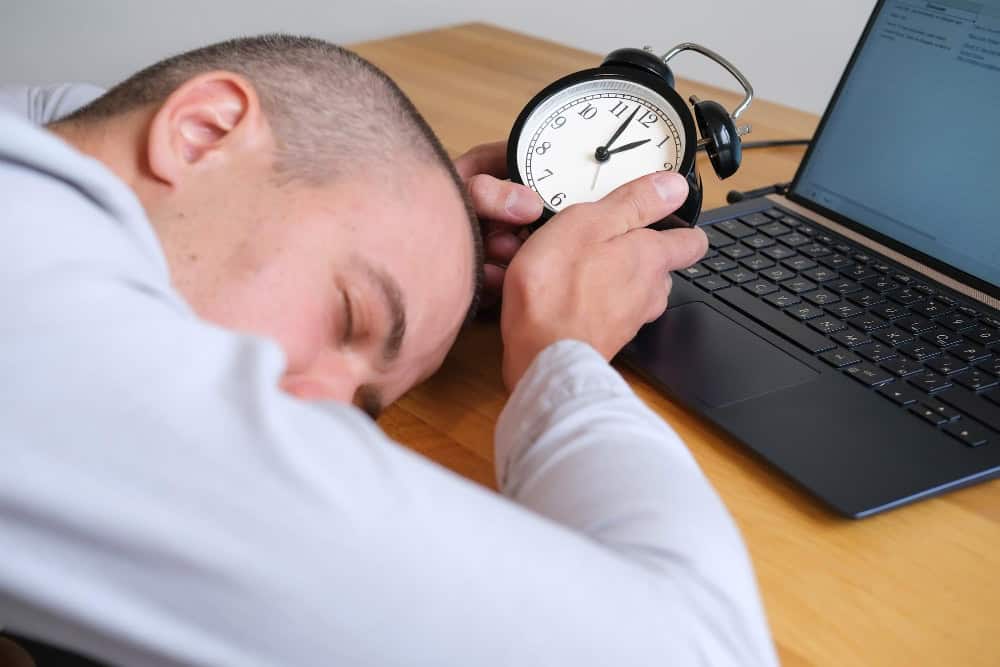
Also read: Sleep Inertia: Why Is It So Hard to Wake Up?
When Is the Best Time to Take a Power Nap?
The best time to take a power nap is the early afternoon, typically between 1 pm and 3 pm. This window aligns with the body’s natural circadian rhythm, which includes a built-in alertness dip regardless of what you ate or how well you slept. Research confirms this dip is a biological phenomenon, not simply a consequence of eating a heavy lunch.
- Napping before 3 pm reduces the risk of disrupting nighttime sleep
- Consistency in nap timing supports the overall sleep schedule
- Late afternoon or evening naps, even short ones, can delay sleep onset and reduce overnight sleep quality
How to Take a Power Nap Effectively?
The difference between a genuinely restorative 20 minutes and 30 minutes of lying awake half-dozing comes down to preparation. Here is how to take a power nap and truly benefit from it:
- Choose a quiet, comfortable spot where you will not be disturbed
- Set an alarm before lying down; this removes the anxiety of oversleeping
- Keep the room cool and dim; both cue the body towards light sleep
- Avoid a heavy meal immediately beforehand
- Skip caffeine immediately before, unless you are using the coffee nap strategy below
What Is a Coffee Nap?
A coffee nap involves drinking coffee immediately before a short nap. Caffeine takes roughly 20 to 30 minutes to reach peak effect, so you wake up from your nap just as it begins working. The result can be greater alertness than either the coffee or the nap delivers on its own.
Research on caffeine combined with a short nap found it was more effective at reducing afternoon sleepiness and improving performance than a nap alone. It does not work for everyone, but for those who tolerate caffeine well, the hack is genuinely helpful.
Can Power Naps Replace Nighttime Sleep?
Can a power nap replace sleep? No. Power naps supplement but do not replace quality nighttime sleep.
Short naps restore alertness and cognitive function in the short term, for example, just for the period of a day. They cannot compensate for constant sleep deprivation.
The restorative processes of a full night of sleep, including memory consolidation, hormonal regulation, cellular repair, and immune function, require sustained sleep cycles that a 20-minute nap simply cannot replicate. If you are regularly relying on naps just to function, that habit deserves attention.
Can Power Naps Be Bad for You?
For most healthy adults, a short, strategically timed power nap carries no risks. Issues arise when naps are too long, taken too late, or masking something deeper.
- Napping beyond 30 minutes significantly raises sleep inertia risk
- Napping after 3 pm can delay sleep onset and reduce overnight sleep quality
- Persistent excessive daytime sleepiness, even after adequate nighttime sleep, may signal an underlying sleep disorder
- Frequent fatigue that does not improve with rest warrants a medical evaluation
Conclusion
Power naps are a simple, evidence-based tool for restoring focus, lifting energy, and managing mental fatigue through the day. The formula is straightforward: 10 to 20 minutes, early afternoon, in a cool and quiet space, used alongside healthy nighttime sleep habits rather than as a replacement for them.
If you consistently experience excessive daytime sleepiness, persistent brain fog, or poor sleep quality despite doing all the right things, a nap will not fix the underlying cause. Fatigue at that level often requires professional medical attention.
At Clique Clinic, our team takes a personalised approach to cognitive performance, fatigue, and sleep-related concerns. For those experiencing symptoms that go beyond everyday tiredness, EXOMIND neurostimulation therapy is one of the options our doctors may consider as part of a tailored programme designed around your individual needs.
Speak with our team on WhatsApp: wa.me/60123537960