Cyclopentasiloxane in Skin Care: All You Need To Know
If you’ve ever applied a serum, primer, or moisturiser that glides effortlessly and leaves a smooth finish on your skin, you’ve likely experienced the benefits of cyclopentasiloxane. This ingredient is a common staple in modern formulations across skincare, haircare, and cosmetic products.
At Clique Clinic, Malaysia’s trusted destination for advanced medical aesthetic treatments, our doctors find that skincare products containing this compound have a great texture, which makes application easy.
But what exactly is cyclopentasiloxane, and should you be concerned about using it on your skin or hair? Let’s explore its science, benefits, and safety profile.
What is Cyclopentasiloxane?
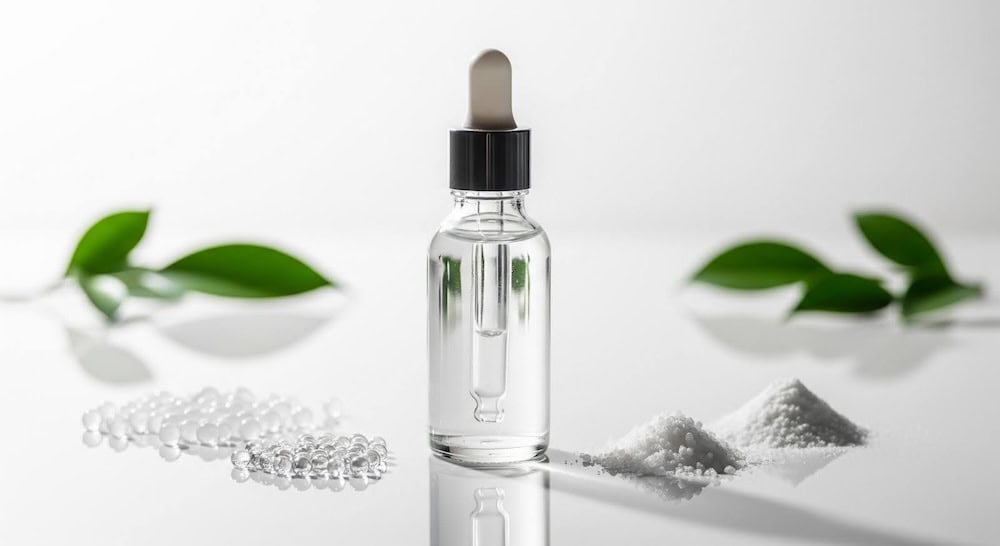
Cyclopentasiloxane, also known as D5, is a lightweight silicone-based compound widely used in skincare, haircare, and personal care formulations. It is best known for its silky texture, non-greasy finish, and fast evaporation rate, making products feel luxurious and smooth on application.
In professional skincare lines, cyclopentasiloxane plays an important role in enhancing how products spread and absorb into the skin.
Chemical Composition & Properties of Cyclopentasiloxane
Cyclopentasiloxane is a cyclic silicone with the molecular formula C10H30O5Si5. It is a volatile compound, meaning it evaporates quickly after application without leaving behind a sticky or oily residue.
Key characteristics include:
- Function: Acts as an emollient, solvent, and carrier for active ingredients like retinol, niacinamide, and hyaluronic acid.
- Texture: Provides a soft, velvety skin feel that enhances user experience.
- Volatility: Evaporates upon contact, leaving a clean, non-tacky finish.
Because of its volatility, many ask, is cyclopentasiloxane water soluble?
The answer is no. While it behaves like natural oils in some ways, its non-water-soluble nature is intentional. It is able to form a thin, breathable layer that locks in moisture yet still lets the skin “breathe”, making it invaluable for skin care formulations.
For reference, cyclopentasiloxane chemical formula can be viewed HERE.
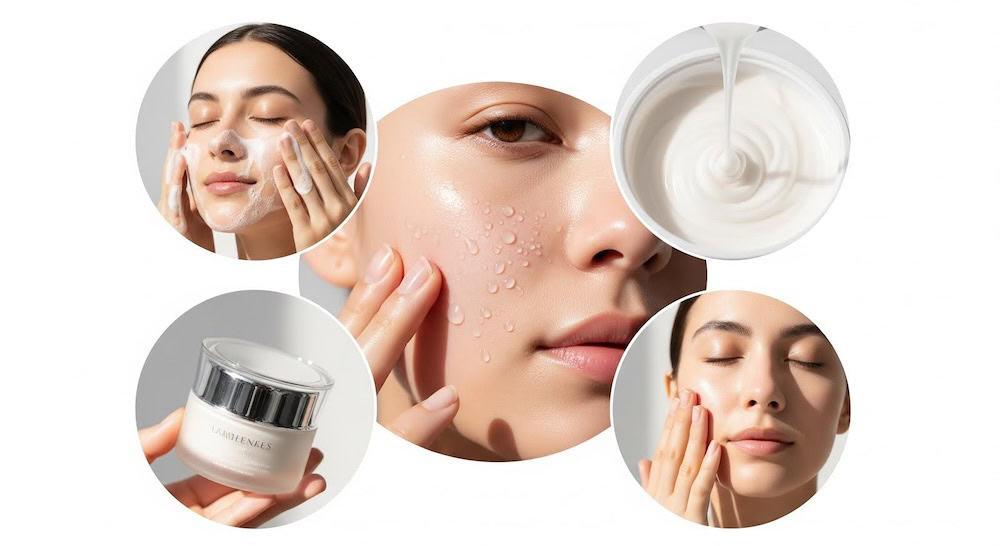
How Does Cyclopentasiloxane Work in Skincare?
Upon application, cyclopentasiloxane creates a light, breathable film on the skin that helps reduce transepidermal water loss (TEWL). That essentially keeps your skin’s natural moisture sealed in.
It also improves the texture and application of formulations. For instance, in medical-grade skincare used alongside treatments at Clique Clinic, such as laser therapy, microneedling, or skin boosters. Cyclopentasiloxane helps active ingredients glide smoothly over the skin without irritation.
By acting as a carrier, it can help distribute other skincare actives evenly across the skin surface, maximising efficacy without altering the original skincare actives’ functions.
Key Benefits of Cyclopentasiloxane
Cyclopentasiloxane for skin delivers multiple advantages, especially in professional skincare formulations:
- Non-greasy, silky finish: Creates the smooth texture you feel in primers, serums, and moisturisers.
- Improves spreadability: Enhances even application of active ingredients.
- Softens the skin: Gives a temporary plumping effect, minimising the look of fine lines.
- Lightweight hydration: Forms a breathable layer that prevents moisture loss without heaviness.
- Clean finish: Evaporates quickly, leaving no sticky residue or film.
You will often find cyclopentasiloxane in skin care products like sunscreens, anti-ageing creams, and rejuvenating serums.
You may wonder – how about cyclopentasiloxane for hair?
In haircare, its same lightweight and silky properties prove beneficial for formulations containing it help smooth frizz, add shine, and provide slip without weighing the hair down.
At Clique Clinic, our aesthetic doctors often find that serums and moisturisers containing this ingredient are safe for patients undergoing PDRN boosters, RF micro needling, or melasma treatments, as it helps improve the feel of post-procedure skin without clogging pores.
Potential Side Effects & Considerations with Cyclopentasiloxane
Since cyclopentasiloxane is a common ingredient/compound in skin and hair care products, is cyclopentasiloxane safe for skin?
For most individuals, cyclopentasiloxane is non-irritating and safe, even for sensitive skin types. However, it is worth understanding some considerations:
- Synthetic origin: Those who prefer silicone-free or all-natural skincare may choose to avoid it.
- Build-up potential: Because it’s not water-soluble, it may accumulate if not cleansed thoroughly, especially on hair or scalp.
- Cyclopentasiloxane allergy: Cyclopentasiloxane allergies are rare, but possible for individuals with silicone sensitivities.
Does Cyclopentasiloxane Clog Pores?
No, cyclopentasiloxane does not clog pores. It is classified as non-comedogenic, meaning it doesn’t obstruct pores or trigger acne. Its volatile nature ensures it evaporates from the skin, leaving behind no residue that could contribute to breakouts.
Is Cyclopentasiloxane Pregnancy Safe?
According to the European Scientific Committee on Consumer Safety (SCCS), cyclopentasiloxane is considered safe in cosmetic use, including during pregnancy, provided concentrations meet regulatory limits. However, as with any ingredient, expectant mothers should consult their doctor before introducing new skincare products.
For detailed safety assessments, refer to the latest SCCS Opinion Report.
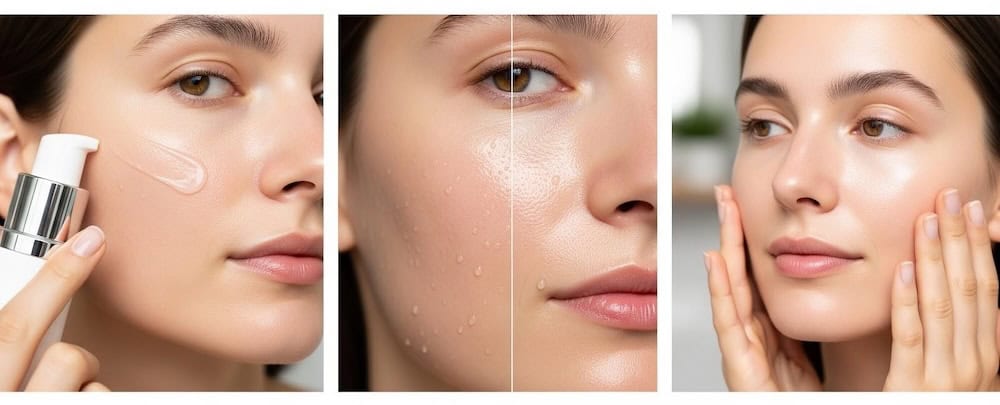
How to Use Cyclopentasiloxane in Your Skincare Routine?
Most users won’t apply cyclopentasiloxane directly; instead, it’s formulated within products such as:
- Primers and makeup bases
- Serums and anti-ageing creams
- Sunscreens
- Moisturisers and BB creams
Usage Tips:
- No special steps are needed; simply apply your skincare as usual.
- Ensure proper cleansing each night to remove any silicone-based film.
- Pair with hydrating or barrier-strengthening actives like ceramides and hyaluronic acid for best results.
At Clique Clinic, our doctors often combine medical facials or skin boosters with silicone-containing skincare to support skin barrier recovery and texture improvement post-procedure.
Who Should Use Cyclopentasiloxane?
Cyclopentasiloxane suits most normal, dry, and combination skin types. It is ideal for:
- Those who enjoy a silky, non-greasy texture in skincare.
- Individuals seeking light hydration without heaviness.
- Patients using laser or micro needling treatments, where skin barrier comfort is crucial.
However, people committed to silicone-free or eco-conscious beauty routines may opt for alternatives like squalane or dimethicone-free formulations.
Final Thoughts
Cyclopentasiloxane remains a cornerstone ingredient in skincare, cosmetics, and hair care due to its unique texture, smooth glide, and lightweight hydration. For patients at Clique Clinic, our doctors find it useful in post-treatment skincare as it can help patients heal their skin without negative reactions.
While it’s synthetic, its safety and efficacy are well-established, supported by extensive research and decades of dermatological use.
If you’re unsure which formulations are best for your skin, especially if you’ve undergone aesthetic treatments like RF microneedling, laser rejuvenation, or skin boosters, speak to our Clique Clinic doctors for a tailored skincare recommendation.
Your healthiest, smoothest skin begins when you understand your skin better: wa.me/60123537960