The Complete Guide to Melasma Treatment Options in Malaysia
Key takeaways
- Melasma: is a chronic, relapsing pigmentation disorder commonly seen in women with darker skin tones, especially in sun-rich climates like Malaysia.
- Its: development is often linked to multiple factors like genetics, hormones, sun exposure, and skin type.
- Thus: effective melasma treatment typically requires a comprehensive, tailored approach combining various therapeutic methods.
- Professional: interventions such as PicoSure laser, Q-switched lasers, and tranexamic acid (TXA) offer more targeted results for stubborn melasma.
- With: consistent maintenance, through daily sunscreen use, lifestyle changes, and ongoing dermatologist guidance, long-term results and healthier-looking skin are achievable.
Introduction
Melasma is a long-term skin disorder that typically affects one’s facial area. It’s characterised by symmetrical, hyperpigmented patches and often breeds feelings of self-conscious and shame.
Besides its psychological toll and stigma, the condition is particularly recurrent and difficult to treat. Studies show that recurrence occurs in more than half of patients within months of stopping treatment.
This persistent cycle can further impact patients’ emotional well-being, making melasma a long-term therapeutic challenge.
This article seeks to comprehensively explore the chronic nature of melasma and its existing treatment options, including topical medications and procedural therapies to guide both effective management and long-term care decisions.
About Melasma
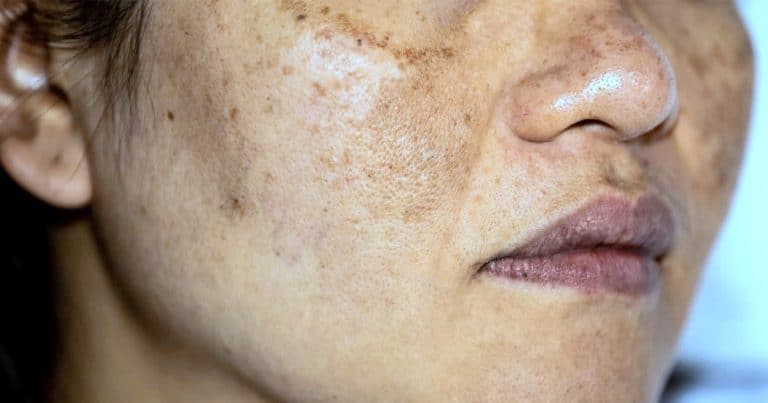
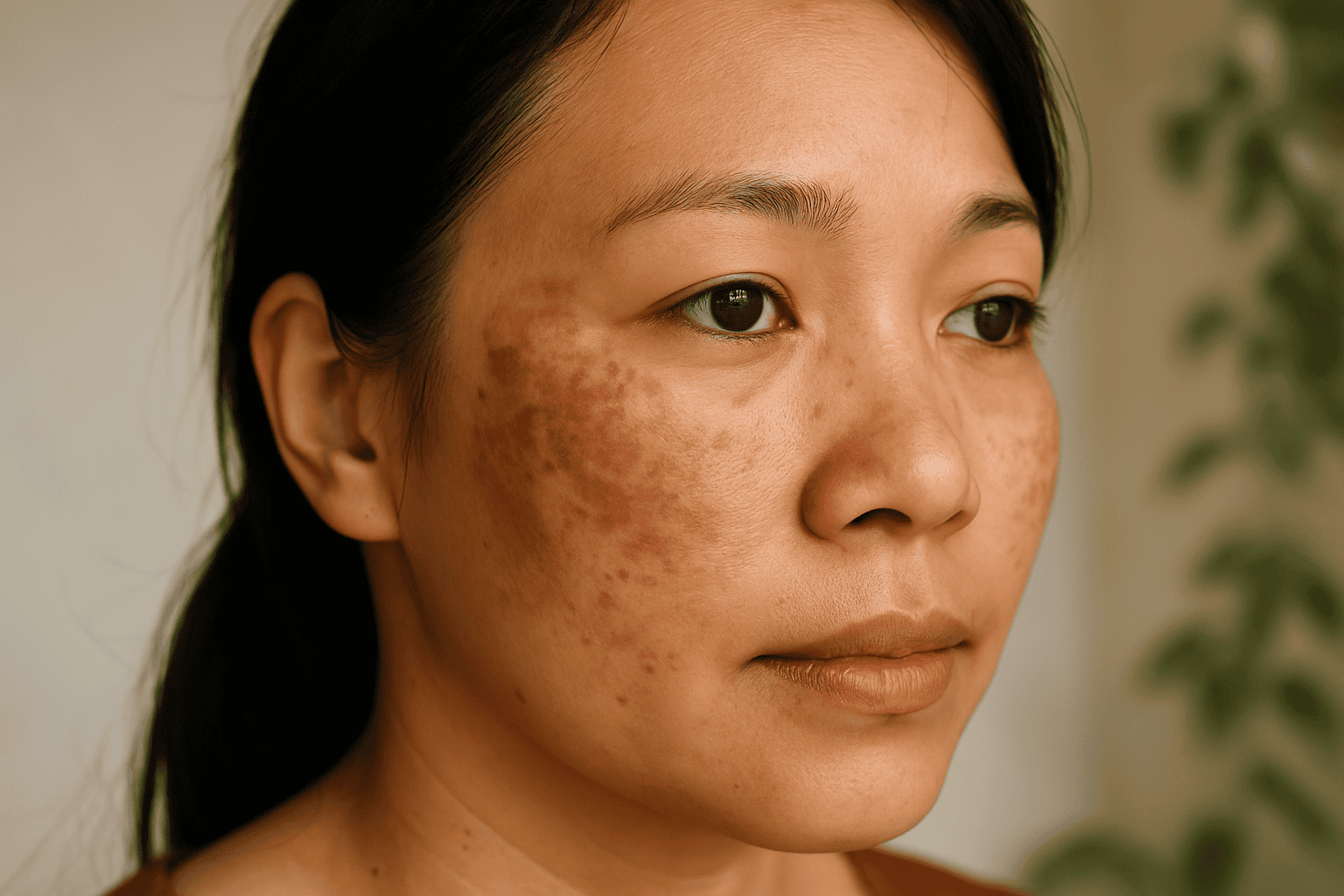
Melasma is a cutaneous hyperpigmentation disorder defined by the formation of brown, grey-brown, or occasionally bluish patches or spots.
These spots typically appear symmetrically on parts of the face that are exposed to the sun. For instance, the chin, nose, forehead, cheeks, and upper lip.
This chronic disorder is considered a ‘common acquired condition’ which means it gradually develops over time. Furthermore, it’s most frequently seen in women, especially those with darker skin tones.
Additionally, it’s often tied to hormonal changes that come with pregnancy, oral contraceptives, or hormone replacement treatment. Genetics and sun exposure are also other significant factors that may trigger it.
While melasma isn’t harmful or contagious and doesn’t progress to skin cancer, its appearance may significantly affect one’s quality of life.
Factors contributing to Melasma in Malaysia
The high prevalence of melasma in the local scene is no coincidence; it’s driven by several interlinked causes. The factors that contribute to melasma susceptibility in Malaysia can be broken down into:
Climate: Malaysia experiences year-round severe and prolonged sun exposure. This may contribute to an increase in melasma cases, as it enhances the likelihood of melanogenesis being stimulated by ultraviolet (UV) radiation from the sun.
Skin Tone: Melasma is more likely to affect individuals with darker skin tones, which are typically associated with Malaysians of Fitzpatrick skin types III to V. Their melanodermic constitutional type means their skin produces more melanin.
This melanin can be unevenly distributed under triggers such as UV exposure, resulting in the characteristic patches of melasma.
Hormonal Influence: Another significant factor contributing to the development of melasma is hormonal fluctuations. Pregnancy, oral contraceptive utilisation and hormone replacement therapy can trigger fluctuations in oestrogen and progesterone levels.
These hormones influence melanocyte activity, appreciably increasing pigmentation in susceptible individuals.
How to treat Melasma?
Melasma is a notably recurrent and challenging-to-treat skin disorder. This is largely due to its complex pathogenesis and the influence of multiple triggering factors.
The difficulty in achieving long-lasting remission is compounded by the fact that no single treatment has proven universally effective. In fact, melasma’s response varies widely among individuals.
As such, effective treatment typically involves a multimodal approach that combines topical medications, rigorous sun protection, and, in certain cases, procedural therapies.
Topical medications lower melanin formation, including hydroquinone, azelaic acid, kojic acid, niacinamide, and tranexamic acid.
These medications are often employed in combination to increase efficacy. In fact, hydroquinone-based triple combination creams are considered the gold standard for many patients.
Chemical peels help accelerate pigment removal by increasing skin turnover, while laser therapies may be used for resistant cases.
Overall, melasma treatment dictates careful patient counselling about its chronic nature and the potential for recurrence despite therapy.
Also read: How can I reduce Melasma on my face?
Professional Melasma treatment options
Professional melasma treatments encompass a range of dermatological procedures typically offered in clinics designed to reduce excess pigmentation and promote skin renewal.
Because melasma is a chronic condition prone to frequent recurrence, ongoing management is mission-critical to minimise side effects whilst achieving sustained improvement.
Laser treatment
Laser treatments help achieve a more uniform skin tone by targeting and removing excess melanin pigment in the skin’s various layers.
In practice, laser energy breaks up pigment clusters without causing major damage to the surrounding tissue, promoting skin renewal.

PicoSure laser
The PicoSure laser is considered one of the most effective options for treating melasma, delivering ultra-short pulses of laser energy in the picosecond range (trillionths of a second) for targeted pigment.
This extremely rapid pulse duration fragments melanin pigment particles into tiny fragments. As such, it’s much faster than traditional nanosecond lasers.
Generally, the procedure reduces the risk of post-inflammatory hyperpigmentation and facilitates faster pigment elimination.
To achieve the best results, several sessions—typically four to six treatments spaced over weeks—are required.
Furthermore, maintenance sessions are recommended to prevent recurrence.
Other laser options
Q-switched Nd:YAG lasers and fractional CO2 lasers are additional laser therapies commonly used in Malaysia.
In practice, fractional CO2 lasers create controlled micro-injuries that stimulate collagen synthesis and promote skin resurfacing.
This mechanism consequently augments skin texture and reduces pigmentation.
High-energy pulses from Q-switched lasers target melanin granules selectively. Thus, dissolving them so the body can eliminate them.
Overall, the choice of laser treatment depends on one’s tolerance, skin type, and the severity of the melasma. Each type of laser has unique results and side effects.
Melasma injection treatment
Melasma can also be treated with injectable medications such as tranexamic acid (TXA). In practice, TXA reduces vascular factors that lead to pigmentation and inhibits the formation of melanin.
TXA can be administered orally or delivered intradermally, under medical supervision. However, TXA injectable therapy may cause discomfort and allergic responses, despite its efficacy.
As such, their application is typically saved for individuals who don’t react well to topical or laser treatments.

Dermatologist-recommended treatments
Dermatologists prescribe customised melasma treatment plans tailored to each patient’s unique skin type, the severity of their melasma, and its underlying causes.
Dermatologists may also recommend prescription creams that contain hydroquinone, tretinoin, corticosteroids, azelaic acid, or newer agents, like thiamidol.
These topical therapies encourage skin turnover and reduce melanin synthesis to lighten the patches.
Additionally, dermatologists offer guidance on lifestyle modifications and photoprotection to minimise the likelihood of recurrence.

At-home melasma treatment options
At-home options can help manage melasma as part of a daily routine. However, professional consultation with a dermatologist is crucial for tailoring an effective treatment and minimising the risks of recurrence.

- Topical creams for melasma: Hydroquinone, retinoids, vitamin C, niacinamide, and azelaic acid are common constituents in over-the-counter melasma treatments that can help gradually lighten pigmentation.
These products, however, may take longer to show results and are typically less effective than prescription alternatives.
- Natural remedies: Some popular natural treatments that can be taken at home include aloe vera, turmeric, and licorice extract.
These remedies have anti-inflammatory and mild skin-brightening properties. However, their effectiveness is limited and not well-established in clinical studies.
- Sun protection: Consistent daily utilisation of broad-spectrum sunscreen with high SPF helps prevent melasma from worsening.
Sunscreen might also help protect the skin that has been treated.
- Vitamins and supplements for melasma treatment: Topical or oral antioxidants like vitamin C and vitamin E reduce oxidative stress that contributes to pigmentation.
However, these remedies are usually adjuncts rather than standalone treatments.
Cost of Melasma treatment in Malaysia
The type of treatment, the location, technology employed, and the clinic’s reputation all impact the cost of melasma treatment in Malaysia. Dermatologist consultations typically cost between RM100 and RM300 per visit, depending on the clinic and the doctor’s experience.
The average cost of laser treatments, such as PicoSure laser sessions, is between RM1,000 and RM1,500 per session. Several sessions are often necessary to accomplish optimal results.
TXA injections for melasma treatment are not a commonly adopted technique. However, they can be considered in conjunction with other options like PicoLaser, and are given at no additional charge at Clique Clinic, Malaysia.
For individualised treatment programs and precise cost estimates, patients are encouraged to speak with licensed dermatologists.
Experienced dermatologists curate ongoing maintenance treatments to sustain results and minimise flare-ups.
How to maintain results after Melasma treatment?
To reduce the chances of recurrence and achieve the most optimal treatment outcomes, melasma patients are encouraged to consider these key strategies:

- Skin care routine: Maintaining a gentle skincare routine is mission-critical to preventing recurrence.
This includes the daily application of broad-spectrum sunscreen (with an SPF of 30 or higher) and mild exfoliation.
- Ongoing treatment: To sustain results, dermatologists often recommend cycling between treatment and maintenance skincare routines.
This may involve the regular use of skin-lightening agents, antioxidants, and anti-inflammatory ingredients to prevent new pigmentation.
- Healthy lifestyle choices: Long-term melasma management also depends on lifestyle factors.
So, ensure to avoid excessive sun exposure, stay well-hydrated, and adopt a balanced diet rich in antioxidants.
These healthy habits complement topical treatments and appreciably reduce the risk of melasma flare-ups.
Conclusion
In summary, melasma is a debilitating skin condition that affects a significant number of people. It’s characteristically noticeable with persistent brown patches or blue-grey patches.
This ailment is emotionally and psychologically disconcerting, impacting many Malaysians’ quality of life. To exacerbate issues, its chronic and relapsing nature makes it exceedingly challenging to treat.
Fortunately, several interventions provide a ray of hope. For example, TXA injectables, topical creams, and advanced laser technologies, such as fractional CO2 and PicoSure laser.
For personalised treatment plans tailored to your skin type and melasma severity, ensure to consult Clique Clinic.
We strive to achieve optimal outcomes and minimise recurrence with minimal side effects. Our comprehensive care strategy goes beyond just treatment. It includes regular follow-up appointments to monitor progress and adjust therapies as needed.
Book a consultation with us today at Clique Clinic and take the first step toward healthier, glowing skin. WhatsApp our team: wa.me/60123537960.