Nicotinamide: Uses, Types, & Benefits
Key takeaways:
- Nicotinamide is a form of vitamin B3 that supports cellular energy, DNA repair, and overall health.
- It plays a key role in producing NAD+, a molecule essential for metabolism, ageing, and cell function.
- Nicotinamide and niacinamide are the same compound, used in supplements and skincare respectively.
- It supports skin barrier function, reduces inflammation, and helps improve pigmentation and overall skin quality.
- Nicotinamide also contributes to brain health and metabolic balance through its role in cellular processes.
- At Clique Clinic, we emphasise combining internal support like nutrition with targeted treatments to optimise skin health and long-term results.
Introduction
Vitamin B3 sounds straightforward enough. Until you realise it comes in multiple forms, goes by at least two different names depending on use case, and connects to some of the most talked-about compounds in anti-ageing science right now – nicotinamide, niacinamide, NMN, NAD+. It gets confusing fast.
Here is what you actually need to know. Nicotinamide is a form of vitamin B3 that plays a fundamental role in cellular energy, DNA repair and skin health. It is used in both supplements and in topical skincare, prized for its role in healthy ageing.
Understanding how it works and how it relates to other compounds helps you make genuinely informed decisions about your health.
What Is Nicotinamide and What Does It Do?
Nicotinamide (also called niacinamide in skincare circles) is one of the two principal forms of vitamin B3, alongside nicotinic acid.
It is water-soluble, remarkably bioavailable and essential to just about every cell in your body. Nicotinamide functions cover energy production, DNA repair, skin health, and brain function. The list is not short.
What makes nicotinamide particularly interesting right now is how frequently it appears alongside buzzier compounds like NMN and NAD+. Understanding how they connect and what nicotinamide actually does on its own helps cut through a lot of the noise.
Nicotinamide Function in the Body
At its core, nicotinamide functions as a precursor and building block for NAD+ (nicotinamide adenine dinucleotide), a coenzyme that sits at the heart of cellular metabolism. No NAD+, no energy. It really is that fundamental.
Here is what nicotinamide does at the cellular level:
- Fuels the production of NAD+, which powers mitochondrial energy metabolism
- Supports the repair of damaged DNA
- Reduces oxidative stress by maintaining cellular balance
- Helps sustain healthy nervous system function
Nicotinamide Mononucleotide (NMN) and NAD+: How Are They Related?
NAD+ is the molecule your cells actually use for energy and repair. It declines with age, which is part of why cellular function slows down over time. NMN (nicotinamide mononucleotide) is a direct precursor to NAD+, meaning the body converts NMN into NAD+ fairly efficiently.
NMN —> NAD+ —> Energy
Nicotinamide sits a step earlier in this pathway. It contributes to NAD+ production through what is known as the salvage pathway, which recycles nicotinamide back into usable NAD+.
- NMN converts directly to NAD+
- Nicotinamide feeds NAD+ via the salvage pathway
- Both are studied extensively in anti-ageing and longevity research
A study on NMN and NAD+ metabolism highlights how these compounds interact with body cells and are capable of mitigating age-associated physiological decline.
Nicotinamide Benefits for Health and Skin
Supports Cellular Energy and Repair
Because nicotinamide feeds NAD+ production, the benefits on energy are significant. Cells that have adequate NAD+ are better equipped to:
- Sustain mitochondrial function (your cellular energy factories)
- Repair DNA strand breaks before they accumulate
- Recover from metabolic stress more efficiently
This matters not just for how you feel day to day, but for how your skin performs over time. And that is precisely where nicotinamide for skin health begins to show its real value.
Skin Health and Barrier Support
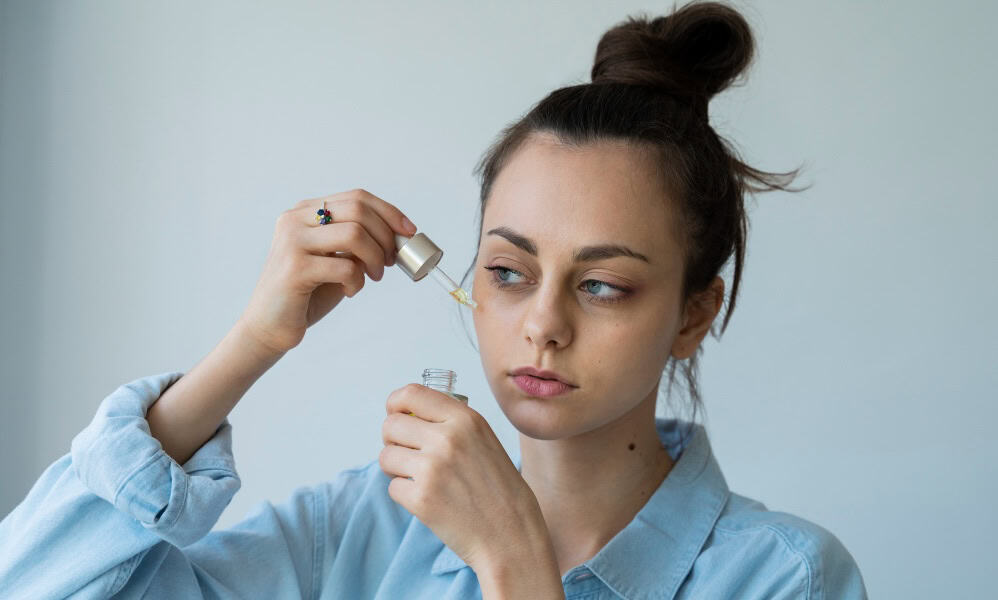
This is where nicotinamide, marketed as niacinamide in topical form, has built a very strong clinical track record. Applied topically or taken as a supplement, it consistently shows benefits for:
- Strengthening the skin barrier by boosting ceramide production
- Reducing transepidermal water loss (TEWL), so skin stays hydrated
- Calming inflammation and reducing redness associated with acne or rosacea
- Evening skin tone by regulating melanin transfer to keratinocytes
At Clique Clinic, nicotinamide works hand in hand with in-clinic treatments. When clients come in for skin booster sessions or PDRN treatments, having a well-supported skin barrier makes those treatments land better and last longer. It is not either/or. It is both.
Anti-Ageing and Oxidative Stress Protection
Nicotinamide’s link to NAD+ production gives it a meaningful role in protecting against the oxidative damage that accumulates with UV exposure, pollution and general ageing.
Research published in PMC shows nicotinamide reduces UV-induced immunosuppression in skin and may lower the risk of certain non-melanoma skin cancers in high-risk individuals.
For clients at Clique Clinic managing melasma or dealing with post-laser recovery, nicotinamide is a sensible adjunct. It supports the skin systemically while treatments address the structural issues directly.
Brain and Metabolic Health
Beyond skin, nicotinamide contributes to:
- Cognitive function and neuronal protection which are particularly relevant as NAD+ levels decline with age.
- Insulin sensitivity and metabolic balance, with some evidence supporting its role in blood glucose management.
Nicotinamide vs Niacinamide: What Is the Difference?
Short answer: They are the same molecule.
They are interchangeable names for the same chemistry, so there is no need to debate on nicotinamide vs niacinamide.
- “Niacinamide” is the term cosmetic formulators and skincare brands tend to use.
- “Nicotinamide” is the preferred term in medical literature and supplement science.
- Both are forms of vitamin B3, both are water-soluble, and behave identically in the body.
If you see niacinamide at 5% on a serum, and nicotinamide 500mg on a supplement capsule, you are looking at the same compound doing work in different delivery systems.
Neither is superior.
Can You Take Nicotinamide Daily?
Yes, it is well-tolerated, does not cause the flushing that nicotinic acid is notorious for and fits easily into a daily supplement routine.
A few practical points:
- Standard supplemental doses ranging from 250mg to 500mg daily are recommended for general health.
- Higher therapeutic doses (used in some dermatology protocols) go up to 1,000mg and above, but these require medical guidance.
Nicotinamide Side Effects and Safety
Nicotinamide has a strong safety profile. Most people tolerate it with no issues whatsoever. That said:
- Mild nausea or headache can occur at higher doses, particularly when starting.
- Very high doses (above 3g daily) have been associated with liver stress in rare cases.
- People with liver conditions, diabetes, or those on medications should check with a medical professional before supplementing.
The National Institutes of Health Office of Dietary Supplements provides a thorough safety overview for anyone wanting to go deeper into dosage thresholds.
Final Thoughts
Nicotinamide is not the flashiest ingredient in the market, but it is doing serious work in the body: feeding NAD+ production, supporting DNA repair, maintaining skin barrier function and protecting against the kind of oxidative damage that ages both skin and cells over time.
Its relationship with NMN and NAD+ means it plays a role in longevity, yet it is cheaper and easier to access daily. Whether you are taking it as a supplement or benefiting from it topically, the science is consistent and reassuring.
Thinking about skin health from the inside out? Whether you are exploring skin boosters, melasma treatments, RF microneedling, or simply want to understand what your skin actually needs right now, our doctors at Clique Clinic are here for a proper conversation, not a sales pitch.Drop us a message on WhatsApp and let us figure out the right approach for you.