

Melatonin: All You Need to Know about this Sleep Hormone
Key takeaways:
- Melatonin is a natural hormone that regulates your sleep-wake cycle and helps signal when it is time to rest.
- Its production is strongly influenced by light exposure, sleep habits, and stress levels.
- Disruptions to melatonin can lead to poor sleep quality, fatigue, and irregular sleep patterns.
- Melatonin supplements may support short-term sleep issues, but they do not address the underlying causes of insomnia.
- Healthy sleep depends on consistent routines, reduced screen exposure, and proper lifestyle habits.
- At Clique Clinic, we recognise that persistent sleep issues often involve deeper neurological factors, which is why treatments like EXOMIND are available to support long-term sleep and mental wellness.
Introduction
Melatonin is often referred to as the body’s natural sleep hormone. Produced in the brain, it regulates when you feel awake and when you feel sleepy, so it essentially controls one of the most essential biological processes your body performs every night.
Yet disruptions in melatonin production are far more common than most people realise, and its effects on sleep quality and overall wellbeing go beyond simply feeling tired.
Understanding how melatonin works can make a meaningful difference to your sleep habits and long-term rest. At Clique Clinic, we believe that true wellbeing goes deeper than the surface, and sleep sits right at the heart of it.
Melatonin and Your Sleep-Wake Cycle
Your body runs on an internal clock known as the circadian rhythm, a roughly 24-hour cycle that governs when you feel alert and when you feel ready to rest.
Melatonin is the hormone that acts as the timekeeper of this system, rising naturally in the evening as darkness sets in and tapering off in the early hours of the morning as sunlight returns.
This melatonin sleep cycle is not just about making you feel drowsy. As of 2026, research shows that melatonin coordinates a cascade of physiological changes, from drops in core body temperature to shifts in hormone secretion, all of which prepare your body for restorative sleep.
When this rhythm is functioning well, you fall asleep at a consistent time, sleep through the night and wake feeling refreshed.
What Triggers Melatonin Production at Night?
Melatonin is produced by the pineal gland, a small structure deep within the brain. Its release is directly tied to light exposure. When the eyes detect darkness, a signal travels from the retina to the pineal gland, prompting it to begin producing melatonin.
This is why sleep experts consistently recommend dimming your environment in the hours before bed.
The biggest modern disruptor of this process is blue light, the wavelength emitted by devices like smartphones and laptops and also bright LED lighting. Because blue light effectively mimics daylight, this suppressed melatonin production and pushes your sleep timing later than your body naturally intends.
Beyond screens, irregular sleep schedules confuse the brain’s ability to anticipate when melatonin should be released. Chronic stress elevates cortisol, a hormone that is essentially the biological opposite of melatonin, further suppressing its production.
Lifestyle habits, therefore, play a significant role in how well your melatonin system functions.
What Does Melatonin Do to Your Body?
Melatonin’s function extends well beyond simply making you feel sleepy. It influences alertness levels, helps regulate core body temperature (which must drop slightly for quality sleep to occur), and plays a coordinating role in the timing of other hormone releases throughout the sleep cycle.
One of its key roles is managing the transition between wakefulness and rest. As melatonin level in your body rises, your body transitions from an active, alert state into one that is calm and prepared for deep sleep.
However, individual responses to melatonin vary considerably. Age, lifestyle, health status and even genetics influence how sensitively your body responds to its own melatonin signals.
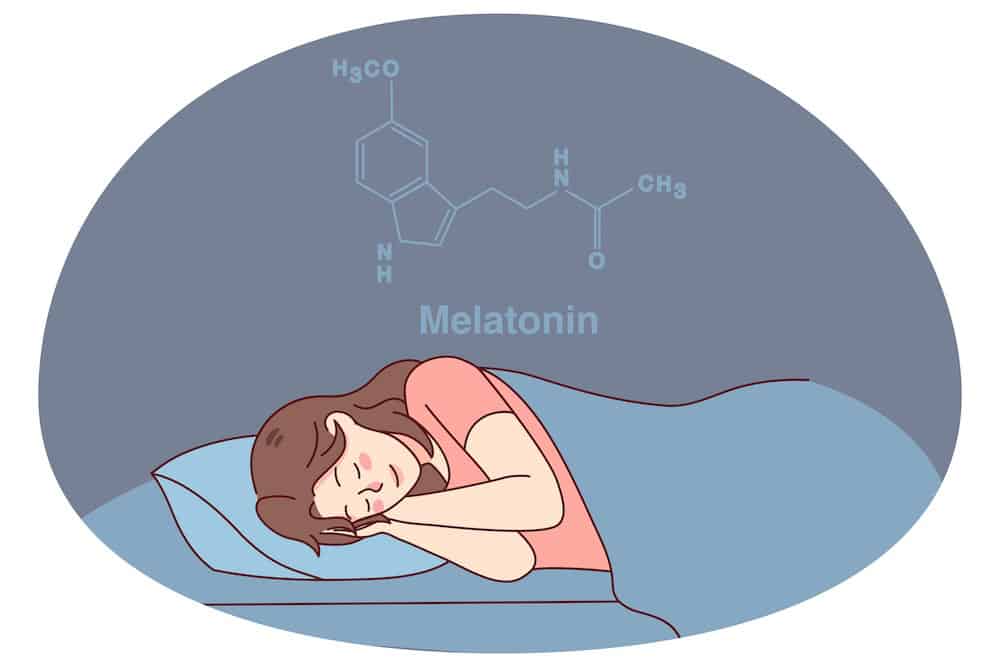
How Does Melatonin Help You Sleep?
When it comes to melatonin for sleep, the hormone’s primary role is to initiate the process of sleep rather than force it. It promotes physical relaxation, lowers alertness in the nervous system and sends clear biological signals that it is time to rest.
This is an important distinction, as melatonin does not knock you out the way a sedative would. It works with your body’s natural rhythms, inducing you to sleep at the right time. It works best when used alongside healthy sleep habits, which include consistent bedtimes, a dark and cool bedroom, and reduced stimulation in the evenings.
Common Reasons Melatonin Levels Get Disrupted
For many Malaysians, several lifestyle factors routinely interfere with healthy melatonin production:
- Late-night screen use is the most widespread issue, with blue light from devices actively suppressing melatonin release well into the night.
- Shift work and irregular schedules confuse the brain’s internal clock, making it difficult for the pineal gland to establish a consistent release pattern.
- Jet lag from travelling across time zones throws the melatonin cycle out of sync with the local environment, often leaving travellers feeling alert at night and drowsy during the day.
- Chronic stress and poor sleep habits elevate cortisol and create a physiological state that is fundamentally at odds with melatonin production.
Understanding which of these factors applies to your own life is the first step toward addressing the root cause, rather than simply reaching for a supplement.
Melatonin Supplements: When Are They Used?
Melatonin supplements can be helpful for short-term sleep support. Melatonin pills are particularly popular among:
- Shift workers trying to reset their sleep schedule
- Individuals experiencing temporary disruptions to their sleep timing
- Frequent travellers dealing with jet lag
For individuals with a well-functioning circadian rhythm, they are generally unnecessary.

What Is the Best Time to Take Melatonin?
The best time to take melatonin is typically 30 to 60 minutes before your intended bedtime. The goal is to take it at a time that aligns with your desired sleep schedule, and build a habit of sleeping on time.
Consistency matters enormously here. So take melatonin at the same time each evening to help reinforce your body’s internal clock, making the supplement’s effects more reliable over time. The opposite is true, too, and it can actually add to the confusion in your circadian system if taken sporadically.
Can You Take Melatonin Every Night?
This is one of the most common questions surrounding melatonin supplementation. The short answer is that melatonin is yes. It is generally considered safe for short-term nightly use, and some individuals do use it regularly under medical guidance.
However, there are important considerations. Long-term reliance may, over time, mask underlying sleep issues that deserve proper attention. If you find yourself unable to sleep without it, then it is worth having a conversation with a healthcare professional.
Over-reliance may reduce your body’s sensitivity to its own naturally produced melatonin, which is counterproductive in the long run.
How Long Does Melatonin Take to Work?
Most people find that melatonin takes effect within 20 to 60 minutes of taking it, though how long melatonin takes to work can vary depending on the individual, the dosage and the formulation. Rapid-release forms tend to act faster, while extended-release versions are designed to sustain melatonin levels throughout the night.
It is important to understand that melatonin supports your natural sleep signals rather than overriding them. If you take it and then remain in a brightly lit room scrolling through your phone, its effects will be significantly diminished. The supplement works best as part of a broader wind-down routine that includes reduced light exposure, a calm environment and a consistent schedule.
Melatonin Side Effects and Safety
Melatonin is generally well tolerated, particularly at lower doses. The most commonly reported melatonin side effects include mild drowsiness the following morning, headaches and grogginess. These effects are typically dose-dependent, meaning they are more likely to occur at higher doses.
One concern worth highlighting is that taking higher doses does not produce better sleep. In fact, excessive melatonin can disrupt your natural sleep cycle rather than support it, leading to fragmented sleep or vivid dreams.
Individual tolerance varies, and certain groups should exercise particular caution:
- Pregnant or breastfeeding individuals
- Those taking medications such as blood thinners, immunosuppressants or diabetes medication
- Individuals with underlying health conditions, including epilepsy, autoimmune disorders, or mood-related conditions
For anyone in these groups, seeking medical advice before beginning melatonin supplementation is strongly recommended.
Why Am I Not Sleeping Even with Melatonin?
If you have tried melatonin and are still struggling to sleep, you are not alone, and the answer lies in understanding that sleep disruption is rarely a single-cause problem.
Melatonin addresses the timing of sleep. It does not address the mental state that keeps you lying awake; your anxiety levels, the neurological hyper-thinking and the disturbed mind that prevents your brain from truly switching off.
Lifestyle habits compound the issue. Irregular schedules, late-night screen use and stimulant consumption such as coffee in the evenings all work against melatonin’s effects, regardless of whether you are supplementing.
In some cases, persistent sleep difficulties point to underlying sleep disorders such as insomnia disorder or sleep apnoea, which require targeted clinical intervention rather than supplementation alone.
For individuals experiencing ongoing sleep and mental wellness concerns, Clique Clinic offers EXOMIND, an advanced neurostimulation therapy designed to support brain relaxation, improve sleep regulation, and enhance overall mental well-being.
It is a personalised, non-invasive approach that targets the neurological roots of poor sleep rather than addressing only the surface symptoms.
Final Thoughts
Melatonin is a remarkable hormone, quietly managing one of the most essential processes your body performs every night.
For most people, supporting healthy melatonin production is less about pills and more about respecting the biological cues your body already relies on: consistent sleep and wake times, reduced light exposure in the evenings, and habits that allow your nervous system to genuinely wind down.
If you must supplement, then supplements are most effective when used thoughtfully, at the right dose, at the right time and for the right reasons.
Long-term sleep quality, however, depends on the full picture, including lifestyle, mental well-being, and, where necessary, professional support.
So if sleep has become a persistent challenge rather than a restorative ritual, it may be time to look beyond the supplement aisle. Speak with our doctors at Clique Clinic to explore what might be keeping you from the rest you deserve.
From wellness consultations to advanced treatments like EXOMIND, our team is here to help you find real, lasting solutions: wa.me/60123537960.