Kaolin in Skin Care: What It Is
Kaolin is a great ingredient in skin care, widely used for its gentle yet effective properties.
This naturally occurring clay has been used for centuries in beauty and medicinal applications, offering a range of benefits for different skin types.
But what makes kaolin so special, and why does it remain a staple in skincare even today, despite the emergence of more advanced ingredients? More importantly, how does it work on your skin?
Let’s dive deep into the science, benefits, and best practices of using kaolin in your skincare routine!
What is Kaolin?

Kaolin, also known as China clay, is a naturally occurring mineral primarily composed of kaolinite, a layered silicate mineral. It is one of the mildest clays used in cosmetics and skin care, making it suitable even for sensitive skin.
Origins: Natural vs. Synthetic
- Natural Kaolin: Sourced from mineral-rich soils and refined for cosmetic use.
- Synthetic Kaolin: Lab-produced to mimic the properties of natural kaolin, but natural variants are more commonly used in skincare.
General Benefits of Kaolin
- Absorbs excess oil without over-drying.
- Detoxifies and purifies pores.
- Provides gentle exfoliation.
- Soothes inflammation and irritation.
Chemical Composition & Properties of Kaolin
Kaolin’s composition is primarily hydrated aluminum silicate (Al₂Si₂O₅(OH)₄). It has a fine, soft texture, making it a gentle option for all skin types.
Key Properties:
- Adsorptive Capacity – Kaolin binds to impurities and sebum, helping to cleanse pores.
- pH Neutrality – Unlike other clays, kaolin has a skin-friendly pH which will not cause dryness or irritation.
- Gentle Exfoliation – The fine particles remove dead skin cells without causing microtears on skin surface
- Anti-Inflammatory – Naturally soothes redness and irritation, ideal for sensitive or acne-prone skin.
How Kaolin Works in Skin Care?
Kaolin serves multiple functions in skincare formulations, from purifying to soothing. But how does it work?
- Oil Control: Kaolin’s adsorptive properties help draw out excess sebum, making it perfect for oily and acne-prone skin.
- Detoxification: It binds to toxins, pollutants, and impurities, effectively deep-cleaning pores.
- Soothing and Calming: Reduces inflammation and redness, making it beneficial for conditions like rosacea or sensitive skin.
- Mild Exfoliation: Unlike harsh scrubs, kaolin removes dead skin cells gently, improving texture and radiance.
- Hydration Balance: While it absorbs oil, kaolin doesn’t strip the skin, maintaining moisture balance.
Key Benefits of Kaolin
- Controls Excess Sebum: Kaolin is highly effective in absorbing oil without disrupting the skin’s natural barrier. This makes it a staple ingredient in face masks and cleansers for oily skin.
- Clears and Tightens Pores: By pulling out dirt and oil, kaolin minimizes the appearance of pores and prevents breakouts.
- Reduces Hyperpigmentation: Since it gently exfoliates, kaolin can enhance cell turnover, helping to fade dark spots, acne scars, and discoloration over time.
- Soothes Sensitive and Irritated Skin: Due to its anti-inflammatory properties, kaolin is beneficial for reducing redness, itchiness, and irritation caused by conditions like eczema or rosacea.
- Gently Exfoliates: Unlike harsh scrubs, kaolin provides a non-abrasive exfoliation, helping skin turnover for smoother, clearer skin.
- Enhances Product Absorption: Kaolin preps the skin by removing impurities, allowing serums and moisturizers to penetrate deeper and work more effectively.
Potential Side Effects & Considerations
While kaolin is generally safe for all skin types, some users may experience minor concerns.
Common Side Effects:
- Mild dryness may occur if overused, especially on already dry skin.
- Temporary redness due to increased exfoliation.
Precautions:
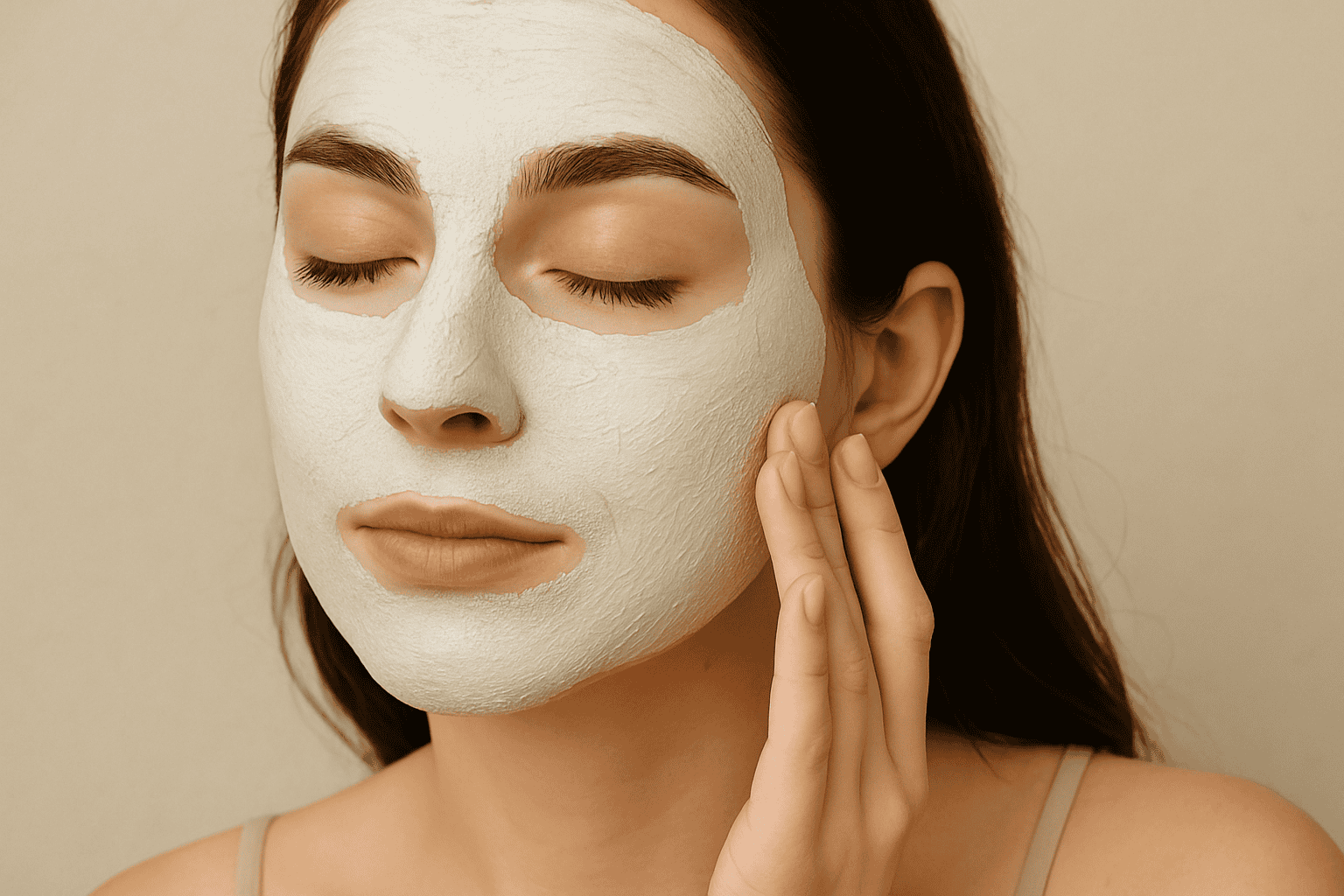
- For Dry or Sensitive Skin: Use kaolin-infused masks no more than once a week to prevent excessive dryness.
- For Acne-Prone Skin: Opt for kaolin combined with antibacterial ingredients like tea tree oil, green tea or salicylic acid for enhanced benefits.
- For Combination Skin: Apply kaolin-based products to oily zones (T-zone) while avoiding dry areas.
Who Should Use It?
Kaolin is versatile and can be beneficial for multiple skin types:
- Oily skin: Absorbs excess oil, controls shine. Use 2-3 times a week in masks.
- Acne-Prone Skin: Unclogs pores, reduces breakouts. Combine with antibacterial ingredients.
- Sensitive Skin: Soothes irritation, reduces redness. Opt for gentle formulations.
- Dry Skin: Provides mild exfoliation without stripping.
- Combination Skin: Balances hydration and oil levels. Apply to oily areas only.
Best for Specific Concerns:
- Acne & Blackheads – Clears congestion, minimizes breakouts.
- Dull Skin – Enhances glow by removing dead skin cells.
- Anti-Aging – Improves texture and cell renewal.
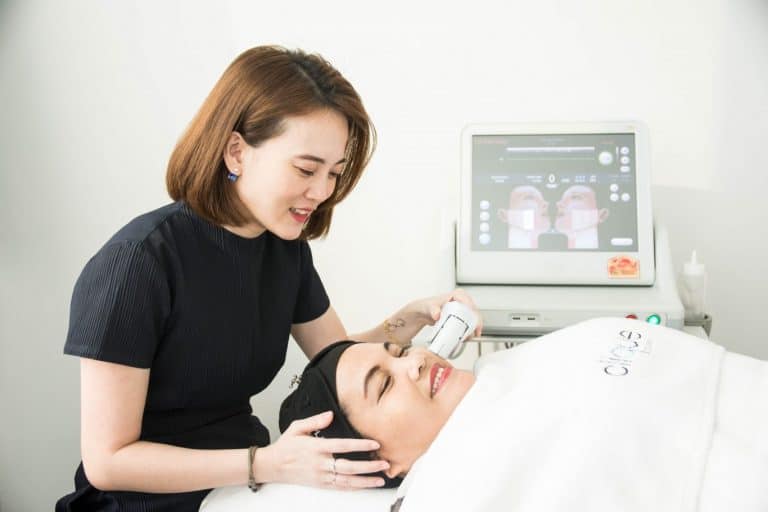
Kaolin is a must-have ingredient for anyone looking to detoxify, balance, and soothe their skin. Its gentle, non-abrasive nature makes it an excellent choice for post-aesthetic treatments, especially those offered at Clique Clinic, such as laser resurfacing, microneedling, or chemical peels.
These treatments can leave the skin temporarily sensitive, and kaolin’s soothing, anti-inflammatory, and oil-absorbing properties can help calm redness, reduce irritation, and support the skin’s natural healing process without causing further disruption.
Whether you’re recovering from an in-office treatment or simply maintaining a healthy skincare routine, kaolin provides a protective, restorative touch to keep your skin balanced and refreshed.